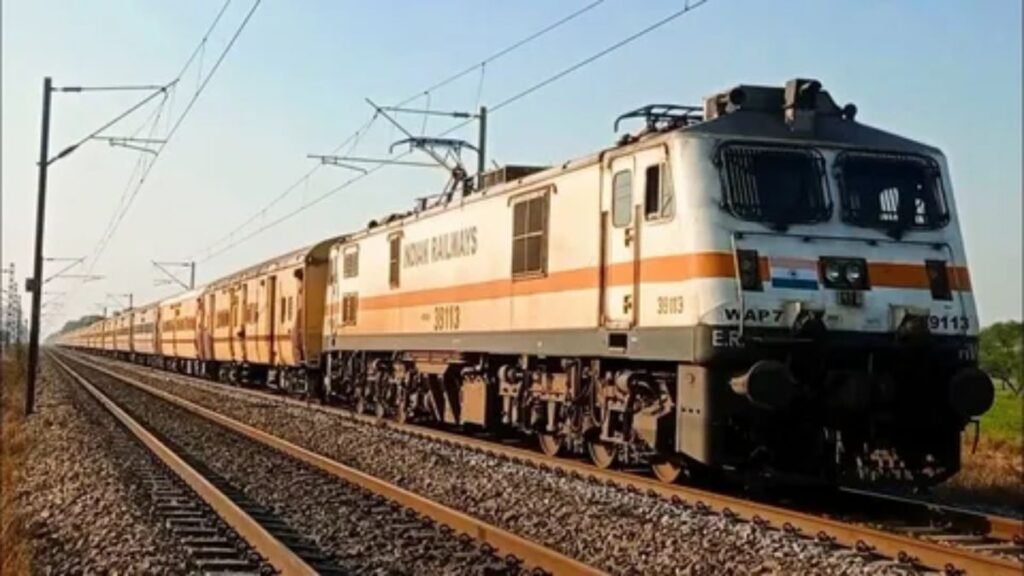
The train railway system has played an important role in connecting people, cities, and countries for generations. Rail transportation is widely used for daily commuting, long-distance travel, tourism, and the movement of goods. Unlike many other forms of transportation, trains can carry a large number of passengers and heavy loads while traveling along dedicated railway tracks.
Today, railway systems have developed far beyond the traditional trains of the past. Modern railways include high-speed passenger trains, electric trains, underground rail systems, freight trains, and advanced railway networks. These systems continue to evolve as countries look for efficient ways to improve transportation and reduce pressure on roads.
Whether you are a regular passenger, a tourist planning a railway journey, or simply interested in transportation, understanding how a train railway works can help you appreciate the role rail travel plays in modern life.
What Is a Train Railway?
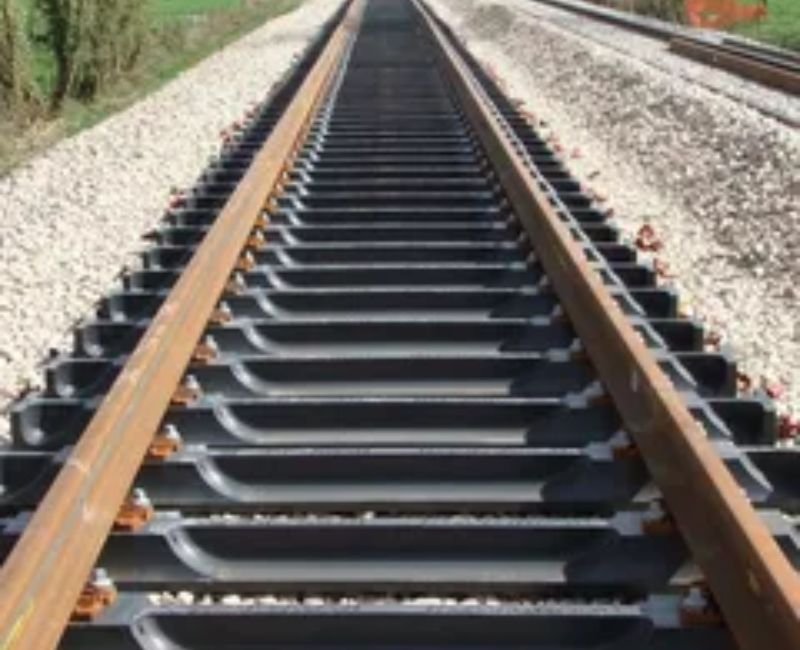
A train railway is a transportation system that allows trains to travel along specially constructed tracks. A railway generally includes tracks, stations, signaling equipment, bridges, tunnels, maintenance facilities, and other infrastructure needed to operate trains safely.
The train is the vehicle that carries passengers or goods, while the railway provides the route on which the train travels. Depending on the railway system, trains may be powered by diesel engines, electric motors, or other technologies.
Railways can be designed for different purposes. Some are built mainly for passenger transportation, while others are intended for freight. Many railway networks handle both types of traffic.
How Does a Railway System Work?
A railway system may look simple from the outside, but many components work together to keep trains moving safely.
The most visible part is the railway track. Tracks normally consist of rails supported by sleepers and a strong foundation. The rails provide a smooth and controlled path for train wheels.
Railway stations are another important part of the system. Stations provide locations where passengers can board and leave trains. Larger stations may contain platforms, waiting areas, ticket offices, information screens, shops, and connections to other forms of transportation.
Signaling systems help control train movements. They provide information to train operators and railway control centers about which sections of track are available and when trains can move safely.
Modern railways can also use computerized systems to monitor train locations, manage schedules, and coordinate traffic across busy routes.
Different Types of Train Railways
Railway networks are not all designed in the same way. Different types of railways serve different transportation needs.
1. Passenger Railways
Passenger railways are designed primarily to transport people. They can operate within cities, between nearby towns, or across large regions.
Commuter trains are commonly used by people traveling to work or school. Intercity trains connect major cities and can provide an alternative to driving or flying.
2. High-Speed Railways
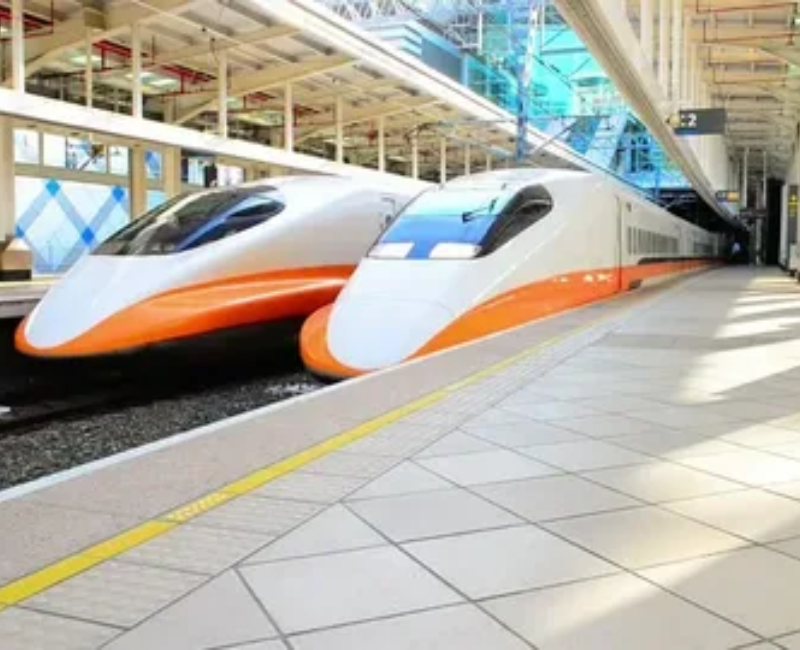
High-speed railways are designed for fast passenger transportation between cities. These trains can significantly reduce travel time on longer journeys.
High-speed rail systems require carefully designed tracks, modern signaling technology, specialized trains, and well-maintained infrastructure. They are particularly useful in regions where large cities are located relatively close to one another.
3. Freight Railways
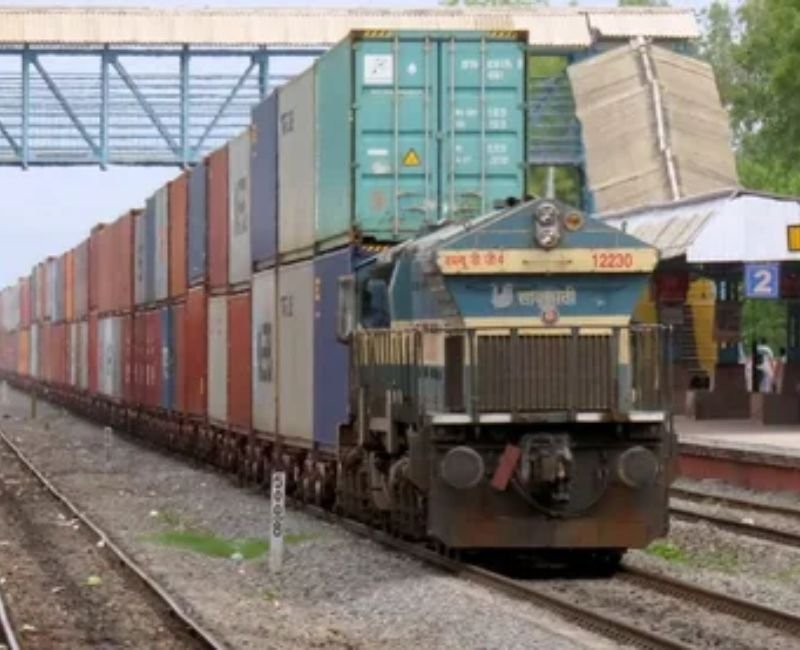
Freight railways transport goods rather than passengers. Trains can carry large quantities of products such as agricultural materials, fuel, construction supplies, automobiles, and industrial equipment.
Freight trains are important for supply chains because they can move substantial amounts of cargo over long distances.
4. Urban Railways
Urban railway systems help people travel within busy cities. Examples include metro systems, suburban railways, and light rail networks.
These systems can help reduce road congestion by moving many passengers through dedicated rail corridors.
Importance of Train Railway Transportation
The train railway system provides several important benefits to communities and economies.
One major advantage is capacity. A single train can carry many passengers or a large amount of cargo. This makes railways especially useful in areas with high transportation demand.
Railways also provide reliable connections between locations. Passenger trains can connect residential areas with business districts, while long-distance rail services can link cities and regions.
Rail transportation can also support economic activity. Railway stations often become important transportation hubs where businesses, hotels, shops, and other services develop around passenger traffic.
For industries, freight railways provide an important method of transporting materials and finished products between production centers, warehouses, ports, and markets.
Train Railway and Tourism
Rail travel can be an enjoyable part of a trip rather than simply a way to reach a destination.
Tourist train journeys can provide passengers with views of mountains, countryside, rivers, forests, coastlines, and cities. Some railway routes are famous because of the scenery visible along the journey.
Traveling by train can also make it easier for passengers to relax during a trip. Instead of focusing on driving, passengers can sit comfortably, read, work, enjoy the view, or spend time with family.
For travelers visiting multiple cities, rail networks can sometimes provide convenient connections between major destinations.
Benefits of Traveling by Train
There are several reasons why people choose trains for transportation.
Comfortable Journey
Many passenger trains provide comfortable seating and enough space to move around during longer journeys. Some services may also offer dining facilities, luggage areas, Wi-Fi, or other passenger amenities.
Convenient City Connections
Railway stations are often located close to city centers. This can make train travel convenient for passengers who want to reach central areas without driving through heavy traffic.
Large Passenger Capacity
Trains can transport many people at the same time. This makes railway transportation useful in densely populated cities and busy travel corridors.
Productive Travel Time
Passengers can often use their travel time for reading, studying, working, or relaxing instead of concentrating on the road.
Useful for Long-Distance Transportation
Railways can provide practical connections between cities and regions, especially where passenger rail infrastructure is well developed.
Railway Stations and Their Role
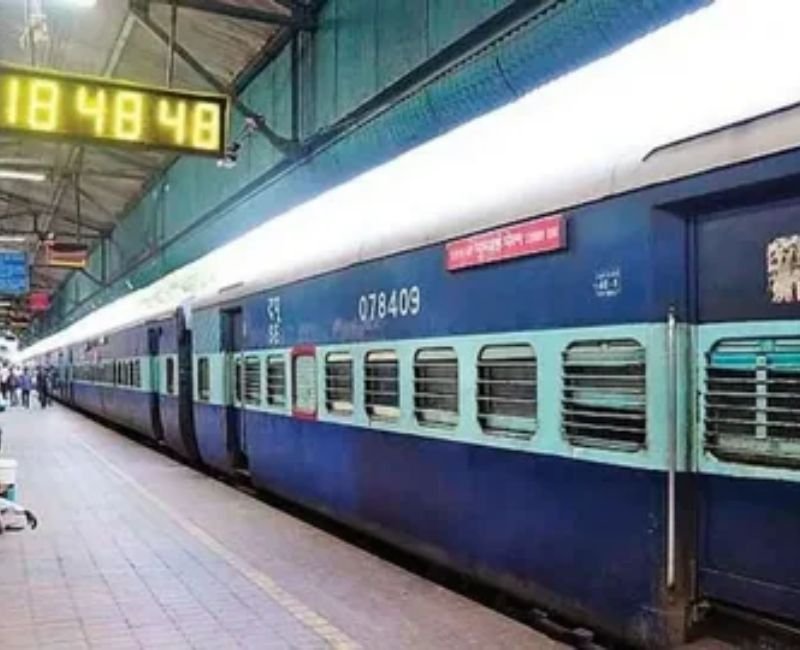
A railway station is more than just a place where trains stop. It is an important part of the entire railway network.
Passengers usually use stations to purchase or collect tickets, check departure information, wait for trains, and access platforms. Large stations may connect rail services with buses, taxis, metro systems, and other transportation options.
Modern stations often use digital information boards that display train numbers, destinations, platform information, and departure times.
Passengers should arrive at the stat
Conclusion
The train railway system remains an important part of transportation around the world. From local commuter services to long-distance passenger routes and freight networks, railways connect communities and support economic activity.Modern railway systems combine tracks, stations, trains, signaling technology, and maintenance infrastructure to provide organized transportation. As technology continues to improve, railways are likely to become even more efficient, connected, and passenger-friendly.
Frequently Asked Questions
What is a train railway?
A train railway is a transportation system consisting of railway tracks, trains, stations, signals, and supporting infrastructure that allows passengers or goods to be transported by rail.
How do trains move on railway tracks?
Trains move using wheels that run along steel rails. Depending on the train, power may come from diesel engines, electric motors, or other propulsion systems.
What are the main types of railway systems?
Common types include passenger railways, freight railways, high-speed railways, commuter railways, metro systems, and light rail networks.
Why are railways important?
Railways provide transportation for large numbers of passengers and significant quantities of goods. They connect cities, support businesses, and provide an alternative to road transportation.
Are trains suitable for long-distance travel?
Yes. Many railway networks provide long-distance services between cities and regions. The suitability of a train journey depends on the route, schedule, travel time, and available services.
What should I check before taking a train?
You should check the departure time, destination, station, platform information, ticket requirements, luggage rules, and any service updates before traveling.
Pingback: Transport Train: A Complete Guide to Modern Train Transportation