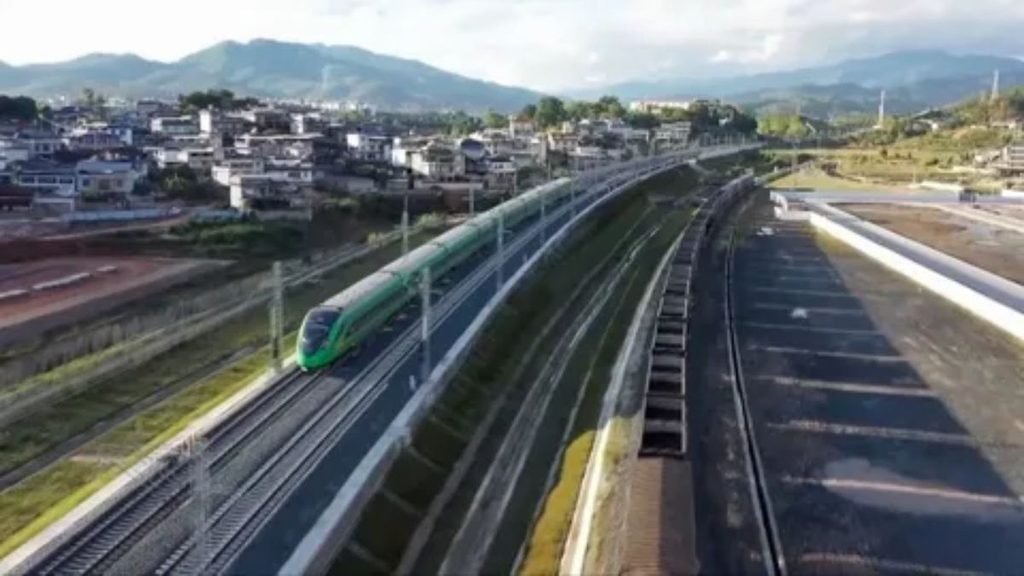
A transport train is one of the most important forms of transportation used around the world. Trains help people travel between cities, provide daily transportation for commuters, and move large quantities of goods from one location to another. Unlike road vehicles, trains operate on dedicated railway tracks, allowing them to transport many passengers or heavy cargo efficiently.
Over the years, train transportation has changed significantly. Traditional railway systems have developed into modern networks that include high-speed passenger trains, electric trains, commuter services, metro systems, and freight trains. These developments have made rail transportation an important part of modern infrastructure.
Whether you are planning a train journey, learning about transportation, or interested in how railway networks work, understanding the role of trains can give you a better idea of why rail remains an important transportation method.
What Is a Transport Train?
A transport train is a railway vehicle or group of connected railway vehicles designed to move passengers, goods, or both from one place to another. Trains operate on railway tracks and can travel short or long distances depending on their purpose.
Passenger trains are designed to provide seating and facilities for travelers. Freight trains, on the other hand, are built to carry products and materials. Some railway systems also use specialized trains for maintenance, emergency services, or other transportation purposes.
The main advantage of a train is its ability to move a large number of people or substantial amounts of cargo in a single journey.
How Does Train Transportation Work?
Train transportation depends on several connected parts working together.Railway tracks create a dedicated path that guides trains from one destination to another, while stations provide designated places for passengers to get on and off. Behind the scenes, signaling and communication systems help manage train movements and keep different services properly coordinated. Railway teams also rely on schedules and monitoring systems to maintain an organized flow of trains across the network.
Trains receive power in different ways. Some use diesel engines, while many modern railway systems use electricity. Electric trains may receive power through overhead wires or an electrified rail system.
All these components work together to create a transportation network that can operate safely and efficiently.
Types of Transport Trains
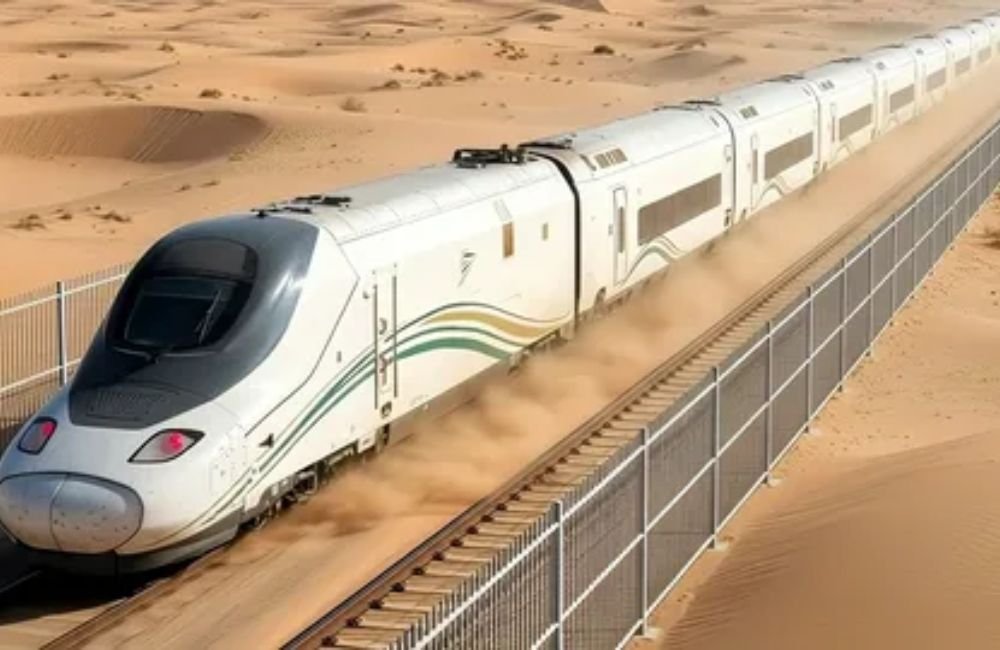
There are several types of trains, and each one has a different purpose.
Passenger Trains
Passenger trains are designed to transport people between locations. They may operate within cities, between nearby towns, or across long distances.
Some passenger services make frequent stops, while others are designed to reach destinations faster by stopping at fewer stations.
Commuter Trains
Commuter trains are mainly used for daily travel. People often use them to travel between residential areas and major business or educational centers.
These trains are particularly useful in large metropolitan areas where roads can become crowded during peak hours.
High-Speed Trains
High-speed trains are designed to provide rapid transportation between cities. They use specialized trains, tracks, and signaling systems to support higher speeds.
High-speed rail can reduce journey times and provide an alternative to traveling by car or airplane on suitable routes.
Freight Trains
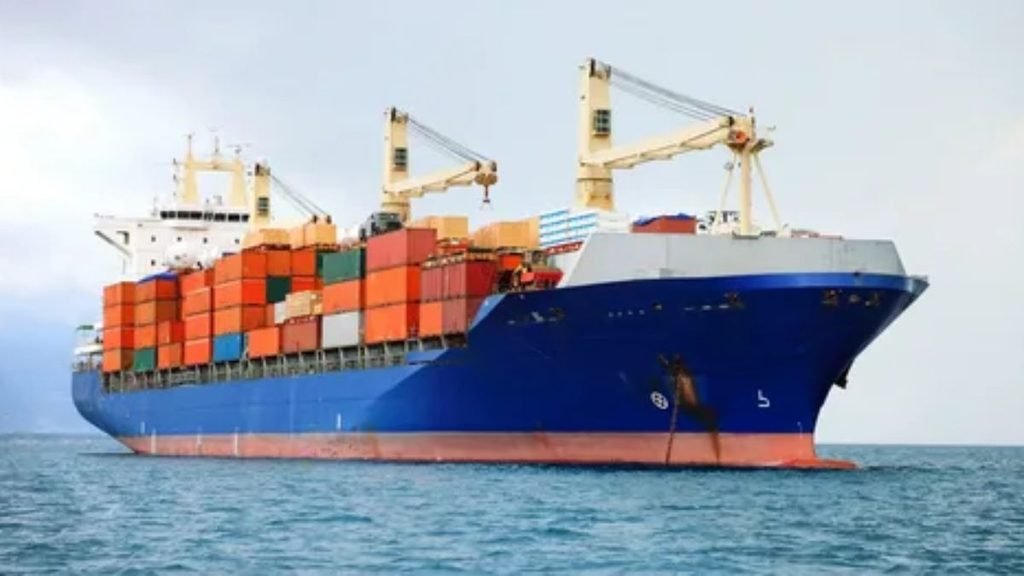
Freight trains transport goods and industrial materials. They can carry agricultural products, automobiles, construction materials, machinery, containers, and many other types of cargo.
Because trains can pull multiple freight cars, they are capable of transporting large quantities of goods during one journey.
Metro and Urban Trains
Metro trains are designed for transportation within urban areas. They often operate on dedicated tracks and make frequent stops.
Urban rail systems can help people move around busy cities without depending entirely on private cars.
Importance of Train Transportation
Train transportation plays an important role in both urban and long-distance travel.
One major advantage is capacity. A single train can carry many passengers, which makes rail transportation useful in areas with high travel demand.
Trains are also important for moving goods. Businesses depend on transportation networks to move raw materials and finished products between factories, warehouses, ports, and markets.
Railways can also connect communities that are separated by long distances. A well-developed railway network can support tourism, business activities, education, employment, and regional development.
Benefits of Using a Transport Train
There are several reasons why people and businesses use trains.
Large Carrying Capacity
Trains can carry a large number of passengers or a significant amount of cargo. This makes them particularly useful for busy transportation routes.
Comfortable Travel
Passenger trains often provide comfortable seating and more freedom to move around compared with many road vehicles. On longer journeys, travelers may be able to read, work, study, or relax.
Efficient Long-Distance Transportation
Trains can connect major cities and regions over long distances. Depending on the route, they can provide a convenient alternative to driving.
Reduced Road Pressure
When more people use trains, fewer private vehicles may be needed for the same number of journeys. This can help reduce pressure on busy roads.
Reliable Freight Movement
Freight trains can transport large quantities of goods between important industrial and commercial locations.
Transport Trains in Urban Areas
Cities around the world use railway systems to manage large numbers of daily travelers. Urban trains can move passengers between residential neighborhoods, commercial districts, airports, and other important locations.
Metro systems are often designed with frequent services so passengers do not have to wait long for the next train. Suburban railways can connect city centers with communities located farther away.
Urban rail transportation can also support economic activity because reliable public transportation makes it easier for people to reach workplaces, schools, shopping areas, and other destinations.
Train Transportation for Tourism
Train travel can be an important part of tourism. Some railway routes are known for their scenic landscapes, allowing travelers to enjoy views of mountains, forests, rivers, countryside, and coastal areas.
Unlike driving, train passengers can spend much of the journey enjoying the scenery without concentrating on the road.
Tourist rail services may also offer special journeys designed around particular landscapes, historical routes, or cultural attractions.
For travelers visiting multiple destinations, trains can provide useful connections between cities and tourist regions.
Freight Transport by Train
Freight transportation is one of the most important uses of railway networks. Businesses need reliable methods of moving products over long distances, and trains can carry substantial loads in a single operation.
A freight train may contain numerous cars designed for different types of cargo. Some cars are used for containers, while others may carry vehicles, bulk materials, agricultural products, or specialized loads.
Rail freight can connect production facilities with distribution centers and ports. This makes railway transportation an important part of many supply chains.
Railway Stations and Train Services
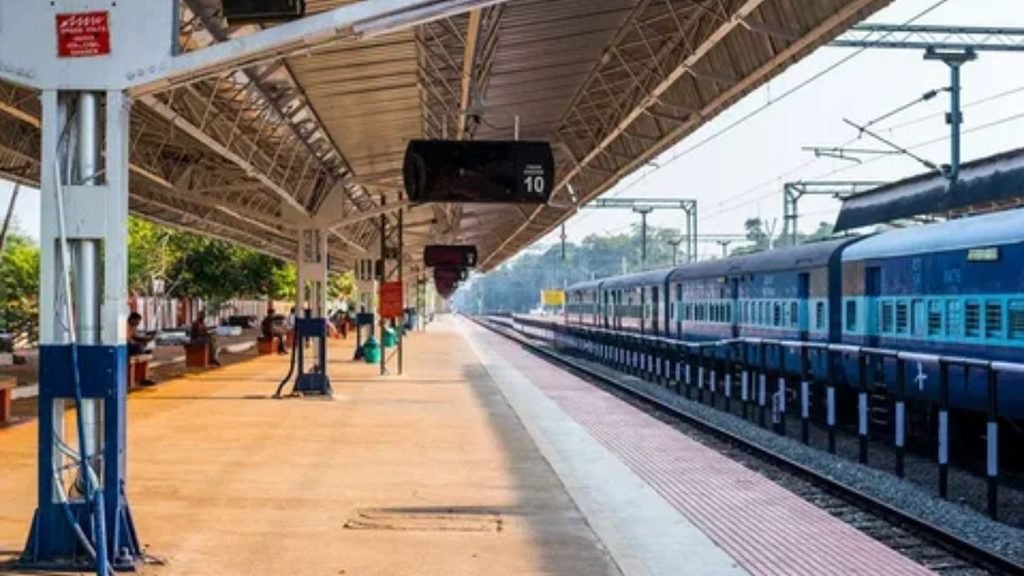
Railway stations are essential parts of train transportation. They provide passengers with access to trains and often serve as connections between different transportation methods.
A modern station may include platforms, waiting areas, ticket facilities, information screens, luggage areas, shops, and connections to buses or local transportation.
Passengers should check their train number, destination, departure time, and platform before boarding. During busy periods, arriving at the station early can make the journey more convenient.
Safety in Train Transportation
Safety is a major part of railway operations. Railway systems use signals, communication equipment, speed controls, barriers, and operating procedures to manage train movements.
Passengers should also follow railway safety instructions. They should remain in designated areas, use official crossings, listen to station announcements, and avoid entering restricted railway zones.
At busy stations, passengers should pay attention to information screens and announcements because platforms or schedules can sometimes change.
Technology in Modern Train Transportation
Technology has transformed modern railway systems. Digital systems can help railway operators monitor train locations, manage schedules, communicate with drivers, and identify maintenance requirements.
Modern trains may also include passenger information displays that show upcoming stations, estimated arrival times, and service announcements.
Electric railway systems are another important development. Electric trains can operate using electricity supplied through railway infrastructure, reducing the need for onboard diesel fuel on electrified routes.
Some railway networks are also exploring automation and advanced control technologies to improve operations.
Environmental Role of Train Transportation
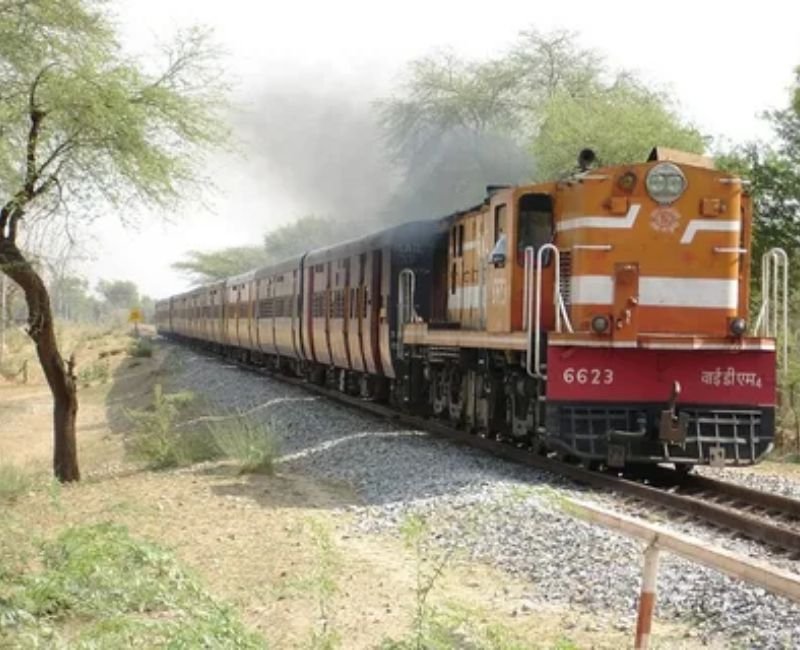
Transportation has an important relationship with energy use and environmental impact. Railways can move many passengers or large quantities of goods using a shared transportation system.
Electric railway systems can also use electricity from different sources, depending on the local energy network.
The environmental benefits of rail transportation depend on factors such as train occupancy, energy sources, infrastructure, route design, and the type of service being operated.
For this reason, railway development is often considered as part of broader transportation planning.
Tips for Traveling by Train
If you are planning to use a transport train, preparation can make the journey easier.
Start by checking the official timetable for your route. Confirm the departure station, destination, departure time, and platform information.
Purchase your ticket through an appropriate official channel and keep it accessible throughout your journey.
Arrive at the station early enough to locate the correct platform. If you have luggage, make sure it follows the railway operator’s rules.
Keep valuable belongings secure and pay attention to announcements during the journey.
For longer trips, carrying water, a phone charger, and basic travel essentials can also be useful.
The Future of Train Transportation
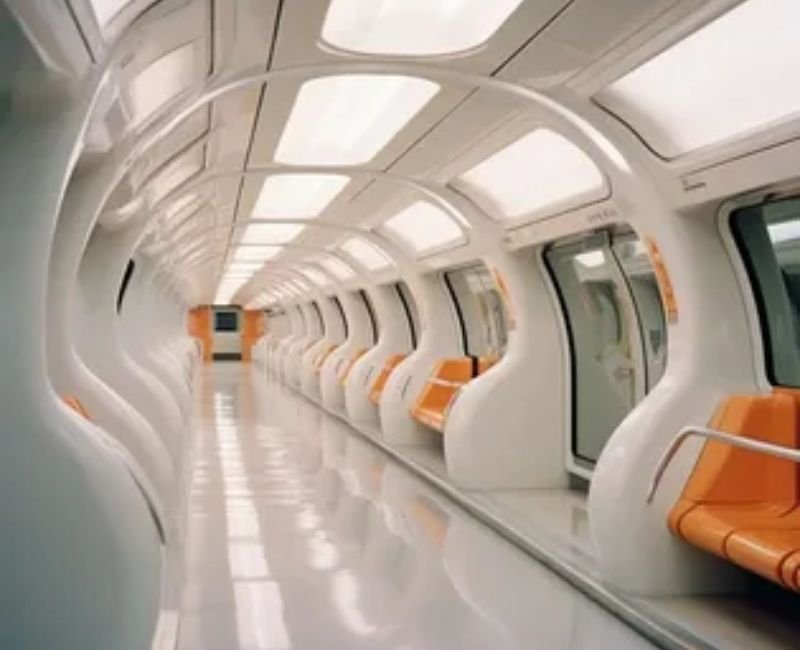
The future of train transportation is likely to involve continued technological development. Railway operators are working toward faster services, improved passenger experiences, better energy efficiency, and more reliable infrastructure.
High-speed rail networks may expand in regions where there is strong demand for fast city-to-city transportation. Electric trains are also expected to remain an important part of railway development.
Digital ticketing and real-time travel information can make train journeys easier to plan. Advanced maintenance technologies may help operators identify infrastructure problems before they cause major disruptions.
As cities grow and transportation demand increases, railways may continue to play an important role in connecting people and supporting economic activity.
Conclusion
A transport train provides an efficient way to move people and goods across cities, regions, and countries. From commuter trains and metro systems to high-speed passenger services and freight networks, rail transportation serves many different purposes. Modern railway systems combine trains, tracks, stations, signaling technology, and digital management systems to provide organized transportation. Trains can carry large numbers of passengers and substantial quantities of cargo, making them an important part of transportation infrastructure.
Frequently Asked Questions
What is a transport train?
A transport train is a railway vehicle or group of railway vehicles used to move passengers or goods between different locations.
What are the main types of transport trains?
The main types include passenger trains, commuter trains, high-speed trains, metro trains, and freight trains.
Why is train transportation important?
Train transportation can carry large numbers of passengers and substantial amounts of cargo while connecting cities, communities, and commercial centers.
Can trains be used for long-distance travel?
Yes. Many railway networks operate long-distance passenger services that connect cities and regions.
What do freight trains transport?
Freight trains can transport containers, agricultural products, automobiles, construction materials, machinery, and many other types of goods.
How can I prepare for a train journey?
Check the timetable, confirm your station and platform, purchase the required ticket, arrive early, and follow railway safety and luggage rules.
What is the future of train transportation?
Future developments may include faster services, expanded electrification, improved digital systems, advanced maintenance technology, and better passenger facilities.
Pingback: Train Services: A Complete Guide to Modern Rail Travel
Pingback: Train Information: A Complete Guide to Rail Travel