
Travelling in train is a unique way to explore new places while enjoying the journey along the way. Unlike air travel, where most of the trip is spent inside an airport and aircraft, train travel allows passengers to watch landscapes change outside the window. From busy cities and peaceful villages to mountains, rivers, and open countryside, a train journey can turn ordinary transportation into an enjoyable experience.
For many travelers, trains are also a practical option for short and long-distance journeys. They can offer comfortable seating, useful onboard facilities, and the freedom to move around during the trip. Whether you are traveling alone, with friends, or with family, understanding how train travel works can make your journey easier and more enjoyable.
What Does Travelling in Train Mean?
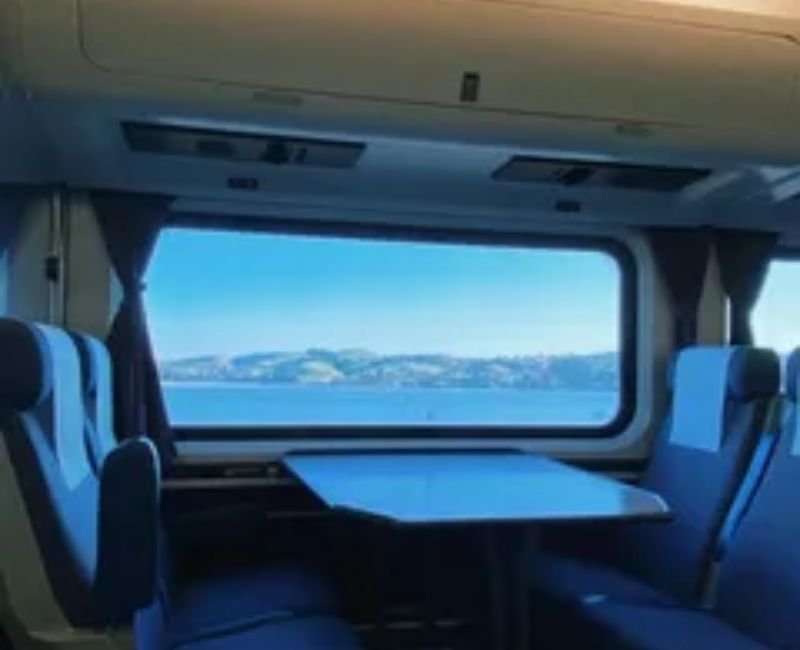
Travelling in train means moving from one destination to another by using a passenger railway service. Depending on the route, a journey can take less than an hour or continue for several days.
Modern trains may include different types of seats, sleeping areas, dining facilities, luggage storage, restrooms, and sometimes Wi-Fi or charging points. The facilities available depend on the train, operator, route, and ticket type.
Train travel is popular because it combines transportation with sightseeing. Passengers can sit back, relax, read a book, listen to music, work, or simply enjoy the scenery outside.
Why Do People Enjoy Train Travel?
One of the main reasons people choose trains is the experience itself. The journey does not have to feel like a boring gap between two destinations.
Comfortable Journey
Many trains provide spacious seating compared with some other forms of transportation. On longer routes, passengers may have additional options such as reclining seats or sleeping accommodations.
Beautiful Scenery
A train can pass through areas that travelers may not normally see from highways or airports. Depending on the route, passengers might see forests, farmland, coastlines, rivers, hills, and urban landscapes.
Less Driving Stress
When traveling by car, someone has to concentrate on the road, traffic, and navigation. On a train, passengers can leave the driving to the train crew and use the travel time for other activities.
Convenient City Connections
Railway stations are often located close to city centers. This can make it easier for travelers to reach popular areas without spending a long time traveling from an airport outside the city.
Types of Train Journeys
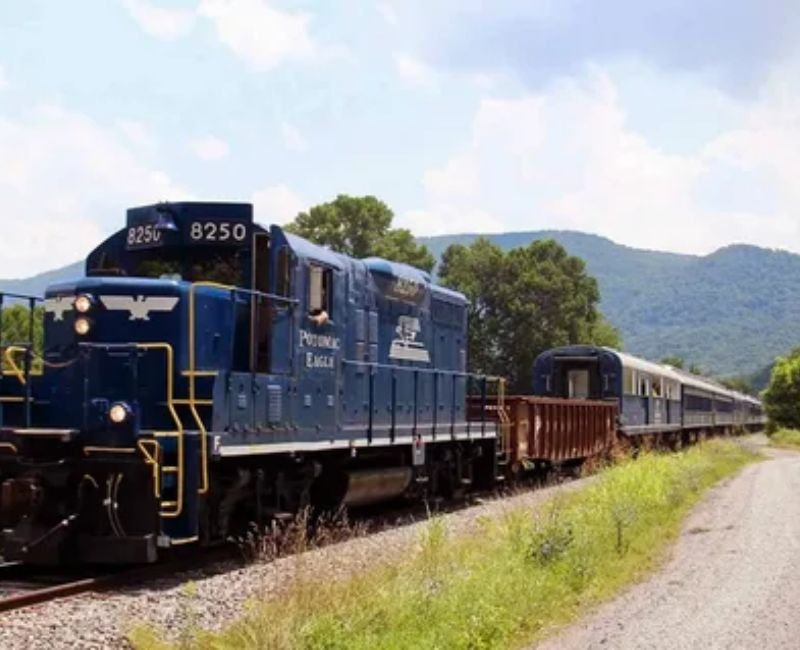
Not every train journey is the same. Understanding the different types can help travelers choose an option that fits their plans.
Local Train Travel
Local trains are designed for shorter journeys and daily transportation. They commonly connect neighborhoods, towns, and nearby cities. These services are useful for commuters and travelers making quick trips.
Long-Distance Train Travel
Long-distance trains connect cities that may be several hours apart. These journeys can provide more facilities and different seating options.
Overnight Train Journeys
Some routes operate overnight. Passengers may be able to reserve sleeping accommodations, allowing them to travel while resting.
Scenic Train Journeys
Scenic routes focus heavily on the landscapes along the way. These journeys are popular with travelers who want to enjoy mountains, lakes, forests, deserts, or coastlines.
How to Plan a Train Journey
Good planning can make travelling in train much easier. Before leaving home, check the important details of your trip.
Start by choosing your destination and preferred travel date. Then compare available trains and departure times. Look at the journey duration, stops, ticket type, and available facilities.
It is also useful to check the railway station where your train departs. Large stations can be busy, so knowing the entrance, platform information, and available services beforehand can save time.
If the journey is long, consider what you will need during the trip. Pack water, snacks, entertainment, chargers, and any personal items you may require.
How to Book a Train Ticket
Train tickets can often be purchased online, through official railway websites or apps, at ticket offices, or from authorized booking services.
When booking, carefully enter your travel information. Check the departure station, destination, date, departure time, passenger details, and ticket type before completing the purchase.
After booking, keep your ticket or booking confirmation easily accessible. Some services use digital tickets, while others may require printed documents.
If you are traveling during a busy period, booking early may provide more choices. Popular routes and convenient departure times can become unavailable as the travel date approaches.
What to Pack for Travelling in Train

Packing for a train journey depends on how long you will be traveling.
For a short trip, a small bag with basic personal items may be enough. For longer journeys, you may need additional supplies.
Useful items can include:
- Travel documents and tickets
- Mobile phone and charger
- Power bank
- Water bottle
- Light snacks
- Headphones
- Book or other entertainment
- Small personal-care items
- Comfortable clothing
- Any necessary medication or personal essentials
Avoid carrying more luggage than you can comfortably manage. Keeping your important belongings close to you can also make the journey more convenient.
What to Do During a Train Journey
One of the best things about travelling in train is that you can use the journey time in different ways.
You can look through the window and enjoy the changing scenery. Reading is another popular activity, especially on long journeys. Some travelers use the time to catch up on work or study, while others watch downloaded movies or listen to music.
If the train allows passengers to move between carriages or visit designated areas, taking a short walk can make a long journey feel more comfortable.
You can also use the journey to plan your activities at your destination. Review your accommodation details, places you want to visit, or transportation options for when you arrive.
Tips for a Comfortable Train Journey
A few simple habits can improve the overall experience.
Arrive Early
Try to reach the station before the scheduled departure time. This gives you enough time to find the correct platform and board without unnecessary stress.
Check Your Ticket
Review your ticket before leaving home. Make sure the date, time, destination, and passenger information are correct.
Keep Essentials Nearby
Place your phone, ticket, wallet, water, and other important items somewhere easy to reach.
Dress Comfortably
For a long journey, comfortable clothing can make it easier to relax in your seat.
Keep Noise Low
Train carriages are shared spaces. Using headphones and keeping conversations at a reasonable volume helps create a pleasant environment for everyone.
Watch Your Luggage
Keep an eye on your belongings, especially when leaving your seat or moving through the train.
Travelling in Train With Family
A train journey can be a fun experience for families. Children can watch the scenery, read, play quiet games, or enjoy simple activities during the trip.
Families should keep snacks, water, entertainment, and essential items within easy reach. On longer journeys, planning a few activities in advance can help keep children comfortable.
Parents should also explain basic train safety rules before boarding, such as staying seated when necessary and following instructions from railway staff.
Train Travel for Solo Travelers
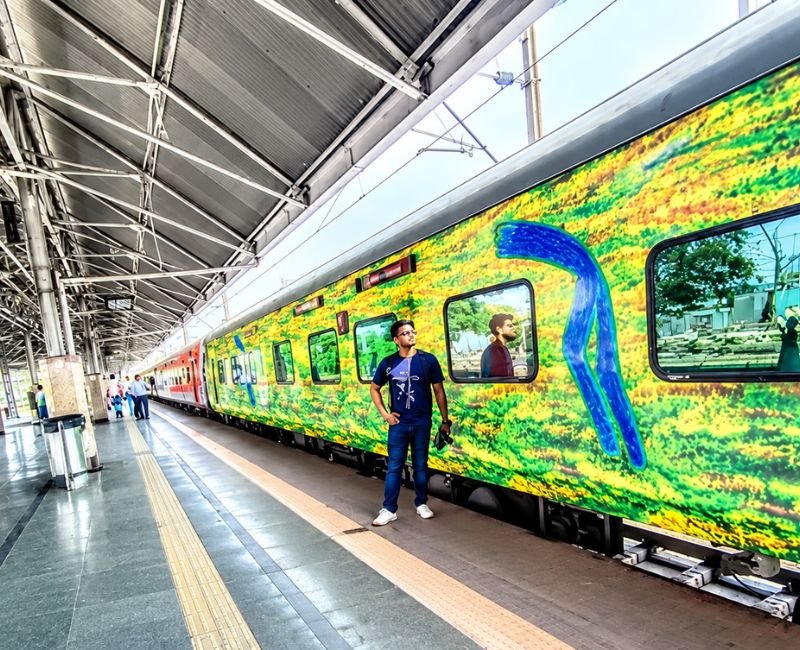
Traveling alone by train can provide a peaceful opportunity to explore a new destination. Without having to drive, solo travelers can spend the journey reading, listening to music, planning their trip, or observing the scenery.
Before traveling alone, make sure you have your ticket, identification, phone, charger, and other important belongings. It is also useful to know your arrival station and how you will travel from the station to your final destination.
Advantages of Travelling in Train
Train travel offers several practical advantages.
First, passengers can enjoy the scenery without focusing on driving. Second, many trains provide comfortable seating and useful onboard facilities. Third, railway stations can offer convenient access to city centers.
Train journeys can also provide a different travel experience. Instead of rushing through airports or dealing with long road journeys, passengers can settle into their seats and watch the landscape change.
For some routes, trains can also be a useful alternative to driving or flying, depending on travel time, price, availability, and personal preferences.
Things to Consider Before Traveling
Although train travel has many benefits, it is important to consider a few factors before booking.
Journey times can vary significantly between routes. Some trains may make many stops, while others provide faster service. Ticket prices can also change depending on the date, demand, class, and booking conditions.
Weather, railway maintenance, technical issues, or other operational problems can occasionally cause delays. Checking the latest journey information before leaving for the station can help travelers stay prepared.
Luggage rules also differ between railway operators, so passengers should check the requirements for their specific service.
How to Make a Long Train Journey Enjoyable
Long journeys become easier when you prepare properly. Bring something interesting to read or watch, keep yourself hydrated, and take advantage of appropriate opportunities to stretch or move around.
Breaking the journey into smaller parts can also help. Instead of thinking about the entire trip, focus on reading for a while, enjoying the scenery, having a snack, and then relaxing.
The changing scenery is another reason long train journeys can be enjoyable. A route may begin in a crowded city and gradually move through suburbs, countryside, small towns, and natural landscapes.
Is Travelling in Train Right for You?
Train travel can be suitable for many different types of travelers, but the right choice depends on your destination and travel priorities.
If you enjoy watching scenery, avoiding the responsibility of driving, and having a more relaxed journey, a train may be worth considering. It can also be useful when railway stations provide convenient connections between the places you want to visit.
Before choosing a train, compare the total travel time, ticket cost, departure schedule, luggage rules, and available facilities with other transportation options.
Frequently Asked Questions
1. Is travelling in train comfortable?
It can be very comfortable, particularly on services that offer spacious seating and useful onboard facilities. Comfort also depends on the train, route, journey length, and seat type.
2. What should I take on a train journey?
Important items include your ticket, phone, charger, water, snacks, personal-care items, and anything you may need during the journey.
3. Should I book a train ticket early?
For busy routes and popular travel dates, booking early can give you more choices. However, booking policies vary between railway operators.
4. Can I use my phone on a train?
Phone use is generally possible on many modern trains, although connectivity can change along the route. Passengers should also follow any rules regarding phone calls and noise.
5. Are trains suitable for long-distance travel?
Yes. Many railway systems operate long-distance services with facilities designed for extended journeys, although the experience varies by route and operator.
Conclusion
Travelling in train can turn transportation into part of the travel experience. With comfortable seating, changing scenery, convenient city connections, and time to relax, trains provide an interesting alternative to driving or flying.Whether you are taking a short local trip or planning a long-distance adventure, preparation is the key to a smoother journey. Check your ticket details, arrive at the station on time, pack useful essentials, and learn the rules of your chosen railway service.