
A train schedule is one of the most useful tools for anyone planning a rail journey. Whether you are traveling to another city, commuting for work, visiting family, or taking a long-distance trip, checking the train schedule before leaving can help you plan your journey with greater confidence. A schedule provides important information such as departure times, arrival times, stations, stops, and sometimes the expected duration of the journey.
Train travel can be simple and comfortable when you know when and where your train is departing. However, schedules can change because of holidays, maintenance, weather, operational issues, or other circumstances. For this reason, travelers should always check the latest available information before heading to the station.
What Is a Train Schedule?

A train shadule is a timetable that shows when trains are expected to leave and arrive at particular stations. It may also include intermediate stops, route information, train numbers, and service details.
Depending on the railway system, schedules can be available online, throughs, at railway stations, or on printed timetables. Some services provide schedules for a single route, while others allow travelers to search across an entire railway network.
A typical train schedule may show:
- Train name or number
- Departure station
- Departure time
- Arrival station
- Arrival time
- Intermediate stops
- Journey duration
- Service days
- Platform information, where available
Understanding these details makes it easier to choose a suitable train and avoid unnecessary waiting at the station.
Why Is Checking a Train Schedule Important?
Checking a train schedule before your journey can save time and reduce confusion. Arriving at a station without knowing the departure time may lead to unnecessary waiting or, in the worst case, missing the train.
A schedule helps travelers understand how their journey will fit into their daily plans. For example, someone traveling for a business meeting may prefer an early morning train, while a family traveling for a holiday may choose a service that arrives during the afternoon.
A train schedule can also help passengers plan connections. If a journey requires changing trains, knowing the arrival and departure times of both services is especially important.
How to Read a Train Schedule
Reading a train timetable may look confusing at first, but the information is usually organized in a straightforward way.
First, identify your departure station and destination. Next, look for the train services operating on your chosen date. Check the departure time and then confirm the expected arrival time.
Pay attention to whether the listed times are for weekdays, weekends, or specific days. Some trains operate every day, while others may run only on certain days.
If your journey involves a connection, check the time between the first train’s arrival and the second train’s departure. Allowing some extra time can be helpful because delays can sometimes affect connections.
Where Can You Find a Train Schedule?
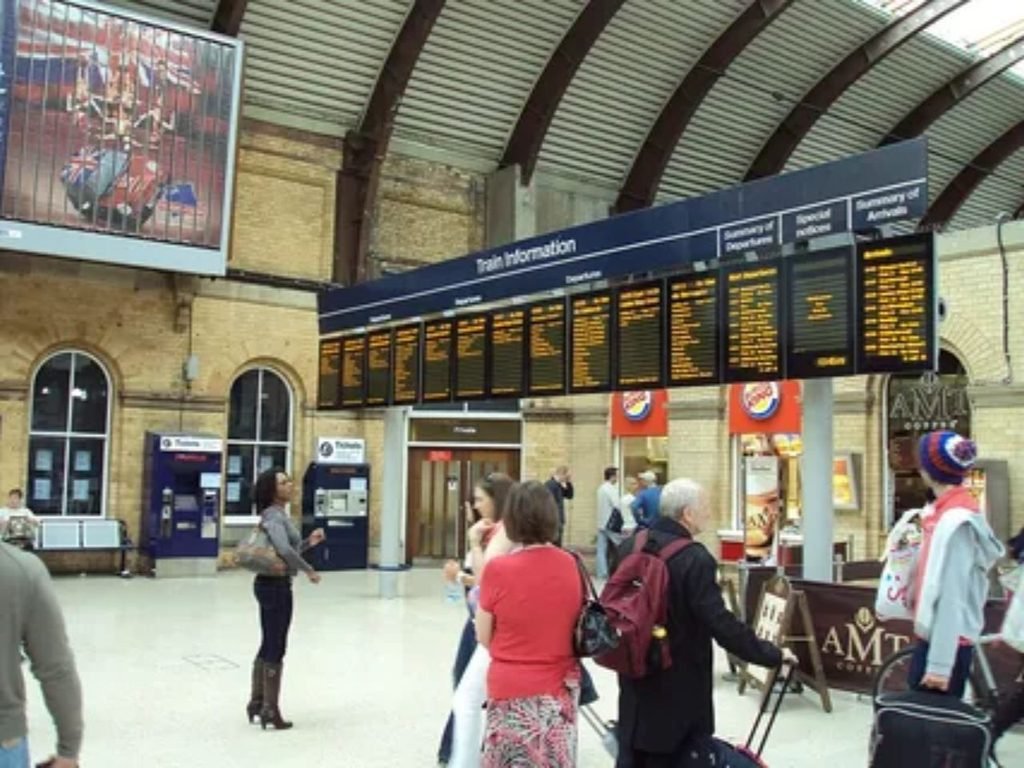
There are several ways to find a current train schedule. The official railway website is usually one of the first places travelers should check. Many railway operators provide online journey planners where passengers can enter their departure station, destination, travel date, and preferred time.
Mobile apps can also make schedule information easier to access. Some railway services provide notifications about delays, cancellations, platform changes, or other updates.
Railway stations may also display schedules on electronic boards. These boards can provide real-time information, which may be more useful than an older printed timetable.
Travelers can also ask railway staff for assistance if they are unsure about a particular service or platform.
Train Schedule and Travel Time
One of the main reasons people check a train schedule is to estimate how long their journey will take. The timetable normally provides both departure and arrival times, allowing passengers to calculate the approximate travel duration.
For example, if a train leaves at 9:00 a.m. and arrives at 1:00 p.m., the scheduled journey time is four hours. However, the actual journey can sometimes take longer because of delays or unexpected operational changes.
It is therefore useful to think of the scheduled travel time as an expected duration rather than an absolute guarantee.
How to Check a Train Schedule Online
Checking a train schedule online is usually quick. Start by visiting the official railway website or using its official journey-planning service.
Enter the station where you want to begin your journey and then enter your destination. Select your travel date and, if available, choose a preferred departure time.
The system may display several train options. Compare the departure time, arrival time, number of stops, journey duration, and any required connections.
Before making your final decision, make sure the information applies to your exact travel date. A service available on one day may not operate on another.
Train Schedules for Different Types of Journeys

Train schedules are useful for many different types of travel.
Local Journeys
Local and regional trains often operate frequently throughout the day. Travelers may have several options within a few hours, making it easier to choose a convenient departure.
Long-Distance Travel
Long-distance trains may operate less frequently. Checking the schedule in advance becomes particularly important because missing one service could result in a much longer wait.
Commuting
Daily commuters often rely on regular train schedules. Knowing the morning and evening services can help passengers organize their workday and reduce unnecessary waiting.
Tourist Travel
Tourists can use train schedules to build an itinerary around their planned destinations. A well-organized timetable can make it easier to visit multiple places during a trip.
Train Schedule Changes
Railway schedules are not always permanent. Train operators may change services because of engineering work, public holidays, severe weather, special events, or other operational reasons.
For this reason, travelers should check the schedule close to the date of travel. If the railway operator offers service alerts, signing up for notifications can be useful.
A schedule shown several weeks before a journey may not contain the latest operational information. Checking again before leaving for the station can help passengers stay informed.
Understanding Departure and Arrival Times
When looking at a train schedule, make sure you understand which time refers to departure and which refers to arrival.
The departure time tells you when the train is scheduled to leave a particular station. The arrival time tells you when it is expected to reach the destination.
If you are boarding at an intermediate station, do not rely only on the train’s starting-station departure time. Instead, check the scheduled arrival and departure times for your specific station.
Arriving at the station a little early is generally a sensible habit, especially if you are unfamiliar with the station.
Train Schedule for Connecting Journeys
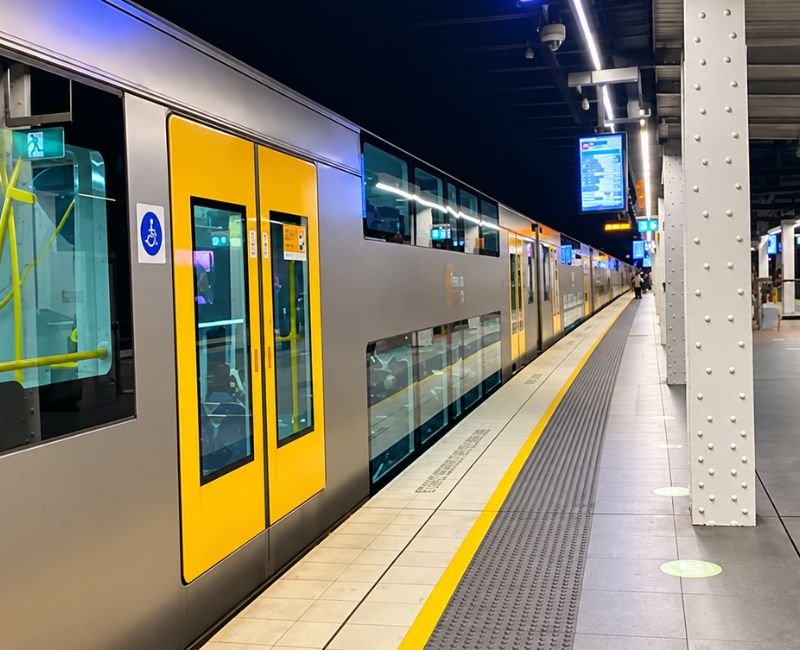
Some journeys require passengers to change trains. In such cases, the schedule becomes even more important.
Suppose your first train arrives at 2:10 p.m. and your connecting train departs at 2:20 p.m. There may be only ten minutes to change trains. Depending on the station layout, this could be difficult.
When planning a connection, consider the time needed to leave one train, locate the next platform, and board the connecting service. A longer connection can provide more flexibility if the first train is delayed.
Tips for Using a Train Schedule Effectively
A few simple habits can make timetable planning easier.
Check the correct date: Train services may differ between weekdays, weekends, and holidays.
Confirm the station: Large cities can have multiple railway stations, so make sure you are using the correct one.
Check the train number: If several services operate on the same route, the train number can help you identify the correct service.
Look for changes: Check for cancellations, delays, engineering work, or platform changes.
Allow extra time: Arrive at the station early enough to find your platform and board comfortably.
Keep your ticket information available: Your booking details may contain important information about the train and departure time.
Train Schedule vs. Real-Time Train Information
A timetable normally shows the planned operation of a train, while real-time information shows what is happening at the moment.
For example, a train may be scheduled to leave at 6:00 p.m., but a delay could change its actual departure time. Real-time updates may show that the train is running late or that its platform has changed.
Therefore, checking both the scheduled timetable and the latest service updates can provide a clearer picture of your journey.
How Early Should You Check a Train Schedule?
It is a good idea to check your train schedule when you first begin planning your journey. This helps you understand which services are available and choose a suitable travel time.
However, checking only once is not always enough. Recheck the information before your journey, particularly when traveling during busy periods, holidays, or long-distance routes.
If you have a connecting journey, checking the schedule again before departure is even more useful.
Common Mistakes When Checking Train Schedules
Travelers sometimes make simple mistakes when using timetables. One common mistake is looking at the wrong date. Another is confusing the departure station with the destination station.
Some passengers also forget to check whether a train requires a connection. Others may assume that a scheduled time is guaranteed even when the railway operator has issued a service update.
Reading the complete journey information rather than looking at only one departure time can help prevent these problems.
Frequently Asked Questions
1. What is a train schedule?
A train schedule is a timetable showing planned departure and arrival times for trains at different stations.
2. Where can I check a train schedule?
You can usually check it on the official railway website, official mobile app, railway station displays, or through railway customer service.
3. Can a train schedule change?
Yes. Train schedules can change because of maintenance, weather, holidays, operational issues, or other circumstances.
4. Does a train schedule show the journey duration?
Many schedules show both departure and arrival times, allowing passengers to determine the planned journey duration.
5. Should I arrive early at the station?
Yes. Arriving early gives you time to find the correct platform and prepare for boarding.
6. How do I check whether my train is delayed?
Use the railway operator’s official website, mobile app, station information screens, or available service alerts for the latest updates.
7. Why is my train not shown on the schedule?
The service may operate only on certain days, may have been changed, or you may be checking the wrong station or date. Confirm the information through the railway operator’s official service.
8. What should I check before a train journey?
Check the departure time, arrival time, stations, train number, connections, ticket details, and any service updates.
Conclusion
A train schedule is an essential part of planning a successful rail journey. It helps travelers understand when trains leave, when they arrive, how long the journey is expected to take, and whether a connection is required.Whether you are commuting locally or planning a long-distance trip, checking the correct timetable can make your travel plans easier to organize. Since schedules can change, it is also important to check the latest information close to your departure.
Pingback: Transport Train: A Complete Guide to Modern Train Transportation