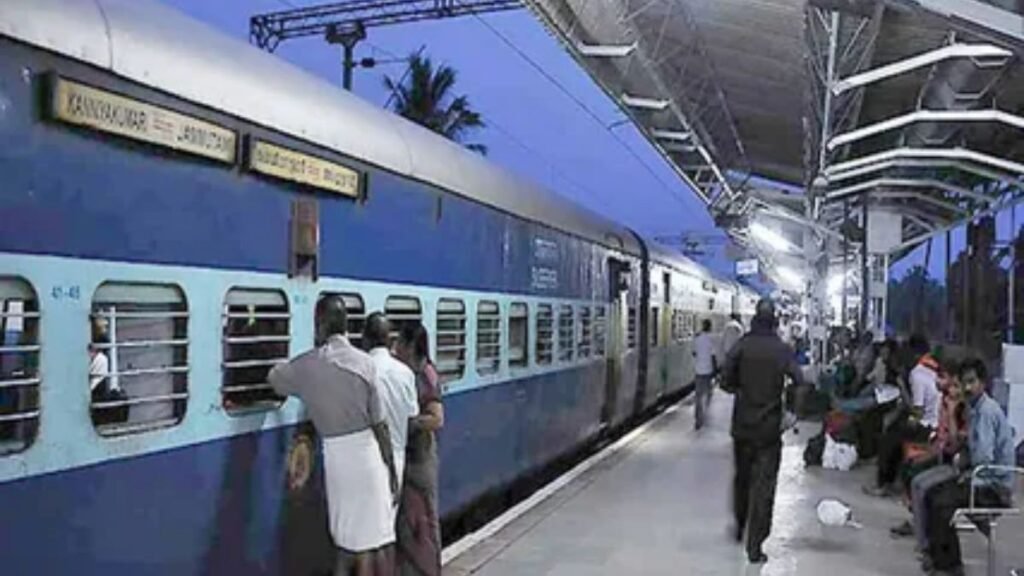
Getting on a train may seem simple, but knowing what to do before boarding can make your journey much easier and more comfortable. Whether you are traveling for the first time or regularly use trains, understanding the boarding process helps you avoid confusion at the station.
From checking your ticket and finding the correct platform to locating your seat and storing your luggage, a few simple steps can make the entire experience smoother. This guide explains what “get on the train” means, how to board correctly, and what travelers should know before the train leaves.
What Does “Get on the Train” Mean?
“Get on the train” simply means to enter a train before it departs. It is commonly used when talking about the action of boarding a train at a railway station.
For example, if someone says, “We need to get on the train at 8:30,” they mean that they need to board the train around that time.
Getting on the train usually involves finding the right platform, checking the train information, waiting for the train to arrive, and entering the correct coach or carriage.
How to Get on the Train
If you are unfamiliar with train travel, follow these basic steps.
1. Arrive at the Station Early
Try to reach the railway station with enough time before departure. Arriving early gives you time to find the correct entrance, check your ticket, and locate your platform.
Large stations can be confusing, especially during busy periods. Giving yourself extra time can help you avoid unnecessary stress.
2. Check Your Train Details
Before boarding, check your ticket or booking confirmation carefully. Look for important information such as:
- Train name or number
- Departure time
- Destination
- Platform number
- Coach or carriage
- Seat or berth number
Make sure all the details match your journey.
3. Find the Correct Platform
Railway stations normally have signs showing platform numbers and train information. Electronic boards may also display the train’s destination, departure time, and platform.
If you cannot find your platform, ask a station employee for help rather than guessing.
4. Wait for the Train
Once you reach the correct platform, wait in a safe area until your train arrives.
Do not stand too close to the edge of the platform. Keep your luggage with you and pay attention to station announcements.
5. Check the Train Before Boarding
When the train arrives, check its information again. Make sure it is the train you are supposed to take.
Look for the train number, destination, or other identifying information displayed on the train or station board.
6. Get on the Train
When boarding begins, enter the appropriate coach carefully. If the train is crowded, allow passengers to leave the train before you enter.
Keep your ticket or booking information easily accessible in case it needs to be checked.
7. Find Your Seat
After entering the train, locate your coach and seat. Your ticket should provide the relevant information.
If another passenger is sitting in your assigned seat, politely show your ticket and check whether there has been a misunderstanding.
8. Store Your Luggage Safely
Place your luggage in the designated storage area or under the seat if permitted.
Avoid blocking aisles, doors, or emergency areas. Keeping luggage organized makes the journey more comfortable for everyone.
How Early Should You Get to the Station?
The ideal arrival time depends on the railway station, train service, and how familiar you are with the station.
For a simple journey, arriving around 20 to 30 minutes before departure may provide enough time to find your platform. For large or unfamiliar stations, you may want to arrive earlier.
If you need to collect a ticket, pass through security, or handle large luggage, allow additional time.
What Should You Have Before Getting on the Train?
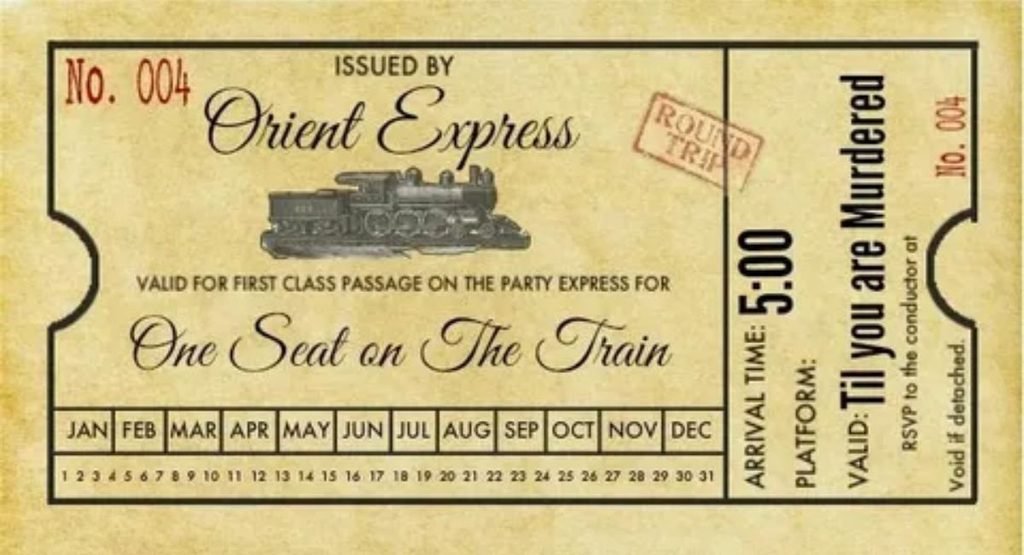
Before boarding, make sure you have everything needed for your journey.
Important items may include:
- Train ticket or booking confirmation
- Identification if required
- Phone
- Wallet
- Luggage
- Travel documents
- Any necessary medication
- Water and snacks
Keeping important items in an easily accessible place can make boarding more convenient.
What If You Miss the Train?
If you arrive after the train has departed, your options depend on the railway company’s rules and the type of ticket you purchased.
Some tickets may allow changes or refunds, while others may not. Contact the railway operator or station staff as soon as possible to understand your options.
For this reason, arriving early is always better than reaching the platform at the last moment.
Tips for Getting on a Train Smoothly
A few simple habits can make boarding much easier.
Keep Your Ticket Ready
Do not wait until the last moment to search for your ticket. Keep your digital ticket or printed booking confirmation somewhere easy to access.
Travel Light When Possible
Managing a small amount of luggage is generally easier than carrying several heavy bags, especially at busy stations.
Pay Attention to Announcements
Platforms and boarding information can sometimes change. Listen carefully to announcements and check electronic information boards.
Know Your Coach Before Boarding
If your ticket includes a coach or carriage number, identify it before the train arrives. This can help you board more quickly.
Stay Calm in Crowded Stations
Busy stations can be noisy and confusing. Instead of rushing, stop and check the signs if you become unsure about where to go.
Getting on a Train With Children
Traveling with children requires a little extra preparation. Keep children close while moving through the station and during boarding.
Make sure they know which coach you are entering and where your seats are located. Keep important items such as tickets, snacks, and water within easy reach.
Most importantly, supervise children around platforms and train doors.
Getting on a Train With Heavy Luggage
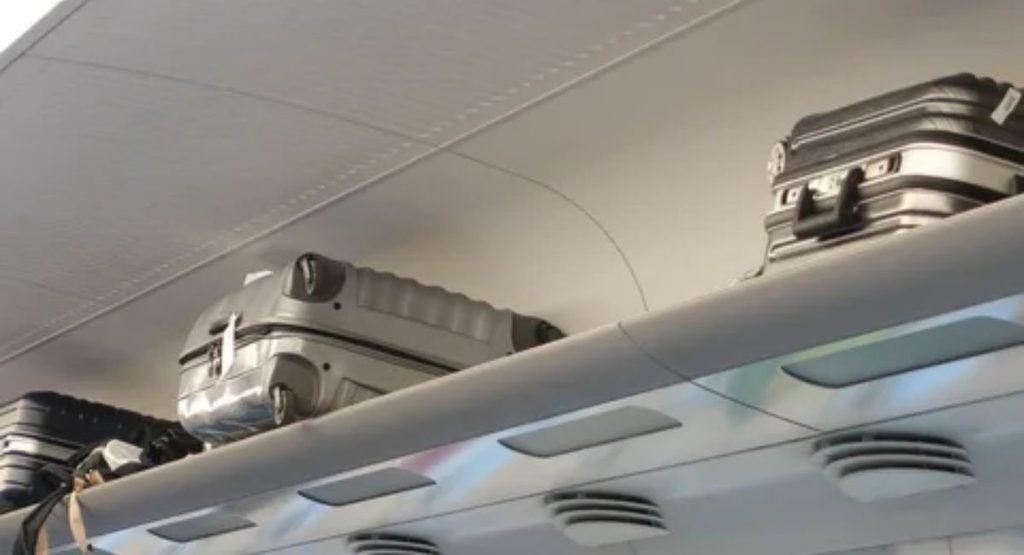
If you are carrying heavy luggage, arrive early so you do not have to rush during boarding.
Check where luggage can be stored before taking your seat. If you need assistance, ask station or train staff rather than attempting to carry something that is difficult to handle safely.
Common Mistakes to Avoid
First-time travelers sometimes make simple mistakes that can make boarding stressful.
Going to the Wrong Platform
Always confirm your platform using the latest station information rather than relying only on what you remember.
Boarding the Wrong Coach
Check your coach and seat information before entering the train.
Arriving at the Last Minute
A small delay can cause you to miss the train. Extra time gives you a better chance of handling unexpected problems.
Ignoring Announcements
Platform or departure information can change. Always pay attention to announcements and display boards.
Leaving Important Items Behind
Before leaving the platform or station, check your seat and luggage carefully.
Is It Better to Book a Train Ticket Online?
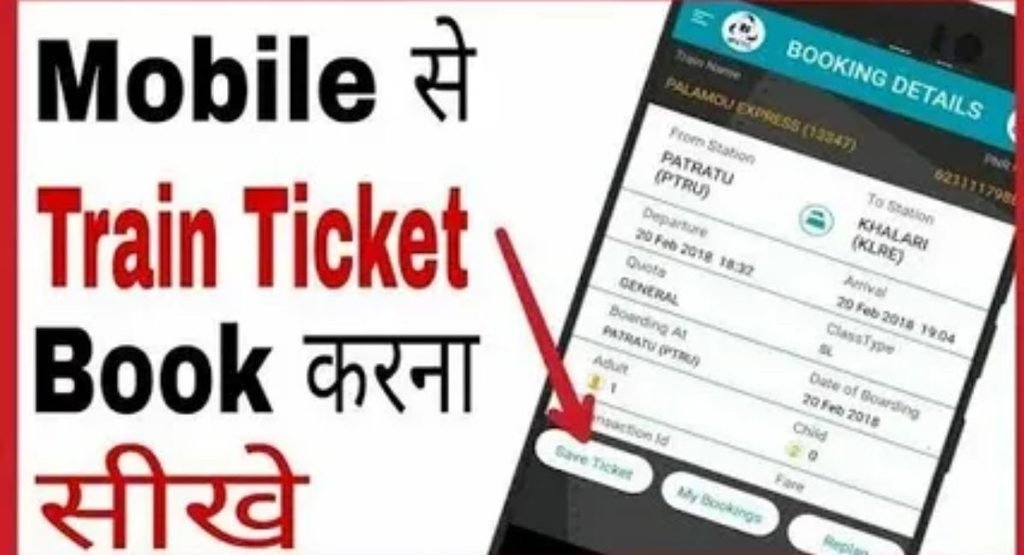
Online train booking can be convenient because you can often choose your journey before reaching the station. Depending on the railway service, online booking may allow you to view schedules, compare available options, select seats, and receive a digital ticket.
However, travelers should always check the official railway website or app for current booking rules.
What Happens After You Get on the Train?

Once you have boarded and found your seat, make yourself comfortable and keep your ticket available.
Depending on the train service, a conductor or ticket inspector may check your booking information. During the journey, follow the train’s safety instructions and keep your personal belongings secure.
If you need to get off at a particular station, keep track of the route and listen for announcements so you do not miss your stop.
Conclusion
Getting on the train is easy when you arrive early, check your platform and coach, and keep your ticket ready. With a little preparation, you can enjoy a smooth and comfortable train journey. Planning ahead makes every train trip easier and more enjoyable.
Frequently Asked Questions
1. What does “get on the train” mean?
“Get on the train” means to enter and board a train before it leaves the station.
2. How early should I arrive before my train?
It is generally a good idea to arrive at least 20 to 30 minutes before departure, although larger stations or more complicated journeys may require more time.
3. What should I check before boarding a train?
Check your train number, destination, departure time, platform, coach, and seat information before boarding.
4. What should I do if I cannot find my platform?
Look at the station’s information boards or ask station staff for assistance. Avoid boarding a train until you are certain it is the correct one.
5. Can I get on the train at any coach?
If your ticket includes a specific coach or carriage, it is best to board that coach. Follow the signs and your booking information.
Pingback: Railway: A Complete Guide to Train Travel and Modern Railways.
Pingback: Amtrak: A Complete Guide to Train Travel in the USA.
Pingback: Train Railway: A Complete Guide to Rail Travel.