
Train travel is one of the most practical ways to move between cities, towns, and regions. Whether you are planning a short daily journey or a long-distance trip, having the right train information can make the experience easier and more organized. Details about routes, schedules, tickets, stations, and travel rules help passengers know what to expect before they leave.
Unlike traveling by car, train journeys usually follow fixed routes and timetables. This makes it important to check the latest details before going to the station. Understanding basic railway information can also help travelers choose suitable services, prepare for connections, and avoid unnecessary delays.
What Is Train Travel Guide?
Train information refers to the details passengers need when planning or taking a railway journey. It can include train numbers, routes, departure and arrival times, station names, ticket prices, reservation rules, platforms, coaches, and available passenger services.
This information can be useful at every stage of a trip. Before traveling, passengers can use it to compare different trains and select a convenient departure. At the station, information boards and announcements can help travelers find their platform and train. During the journey, route information can help passengers understand upcoming stops.
Because railway systems differ from one country or operator to another, travelers should check information from the relevant railway operator before departure.
Types of Trains
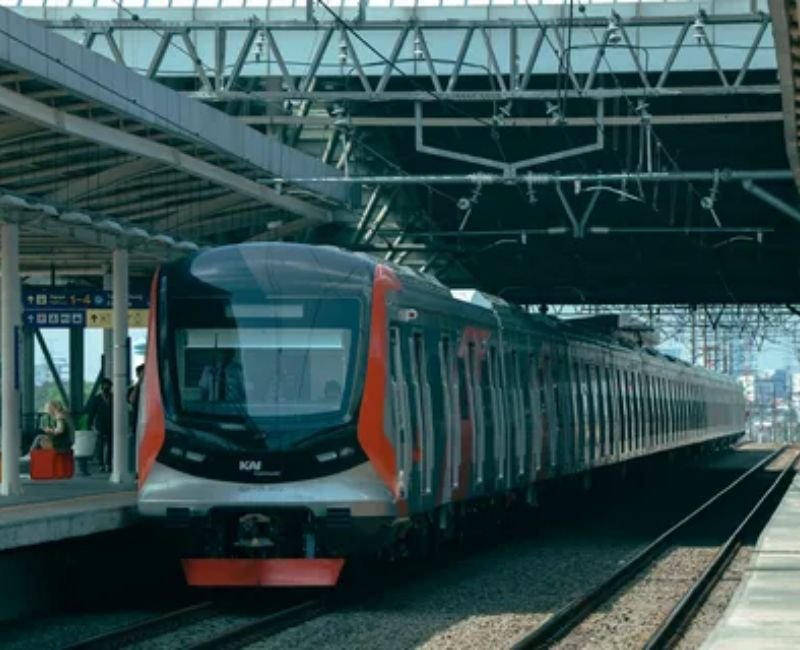
Railway networks include different types of trains designed for different travel needs. Understanding these categories can make it easier to select an appropriate service.
Passenger trains are commonly used for transportation between cities, towns, and local communities. Some operate frequently throughout the day, while others may have fewer departures.
Express trains generally make fewer stops than local services, allowing passengers to reach their destination more quickly. High-speed trains are designed for fast intercity travel and operate on suitable railway infrastructure.
Local and commuter trains are often used for regular journeys within or around major cities. They may stop at many stations and are particularly useful for people traveling to school, work, or nearby areas.
Long-distance and intercity trains connect cities that are farther apart. Depending on the route, these services may offer different seating arrangements, luggage facilities, food services, or other passenger amenities.
Scenic or tourist trains are another category. Their journeys may focus as much on the travel experience and surrounding landscapes as on reaching the final destination.
Understanding Train Routes
A train route describes the path a service follows between its starting point and destination. A route may include several intermediate stations where passengers can board or leave the train.
When checking a route, travelers should confirm both the departure and arrival stations. Some cities have multiple railway stations, and choosing the wrong station can create problems on the day of travel.
It is also important to determine whether a journey is direct or requires a connection. A direct train takes passengers to their destination without changing trains. A connecting journey requires passengers to leave one train and board another at an intermediate station.
When planning a connection, allow enough time between trains. Delays on the first service could otherwise make it difficult to catch the next one.
Train Schedules and Timetables

Train schedules show when railway services are expected to leave and arrive at particular stations. They are among the most important details to check before a journey.
A timetable may provide the train number, departure time, arrival time, intermediate stops, and service days. Some systems also provide platform information, although platforms can sometimes change before departure.
Passengers should avoid relying on an old timetable because railway schedules can be updated. Maintenance work, operational changes, holidays, or other circumstances may affect services.
Before leaving for the station, check the current schedule through the railway operator’s official website, app, or customer service channel when available. Checking again shortly before departure can also help travelers notice last-minute changes.
Train Tickets and Reservations
A train ticket gives a passenger permission to travel on a particular service or within specified conditions. Ticket systems vary between railway operators, so passengers should understand the rules that apply to their journey.
Some services offer one-way tickets, while others may provide return options. Certain trains allow passengers to purchase tickets shortly before departure, while popular or long-distance services may encourage advance booking.
Reservations can be required for some trains, especially services with assigned seating. Other trains may operate without seat reservations, allowing passengers to use any available seat within the ticket conditions.
Travelers should carefully check the ticket details, including the travel date, departure station, destination, train number, coach, and seat if one has been assigned.
Train Stations and Passenger Services
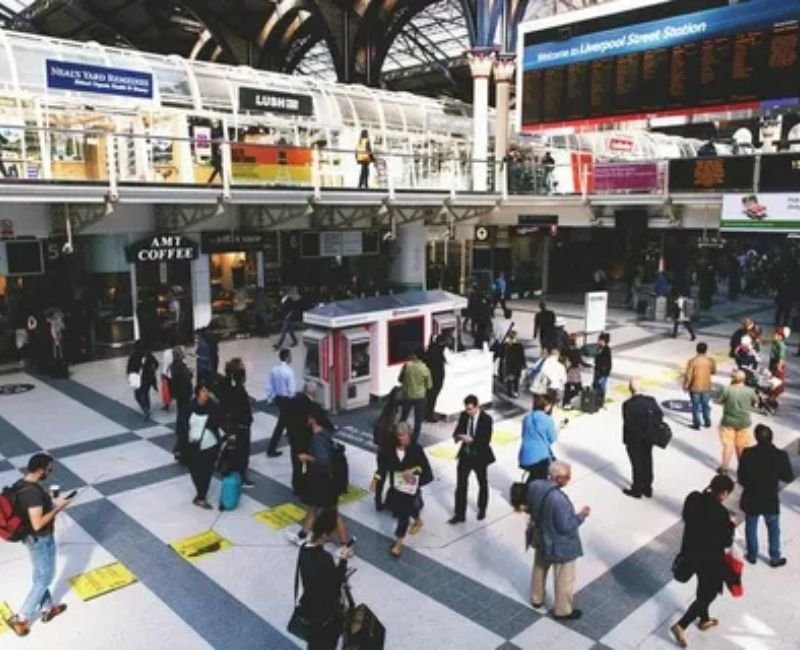
Train stations are important parts of the railway system. A station may contain ticket counters, waiting areas, platforms, information boards, restrooms, shops, food outlets, and customer service facilities.
Larger stations may have additional services such as luggage storage, elevators, accessibility facilities, parking areas, and connections to local public transportation. Smaller stations may offer fewer facilities.
Information boards usually display train numbers, destinations, departure times, and platform details. Passengers should compare the information on their ticket with the station display before boarding.
Arriving at the station with sufficient time is helpful, particularly when the station is unfamiliar or large. It gives travelers time to find the correct platform and deal with unexpected situations.
What to Know Before Boarding a Train
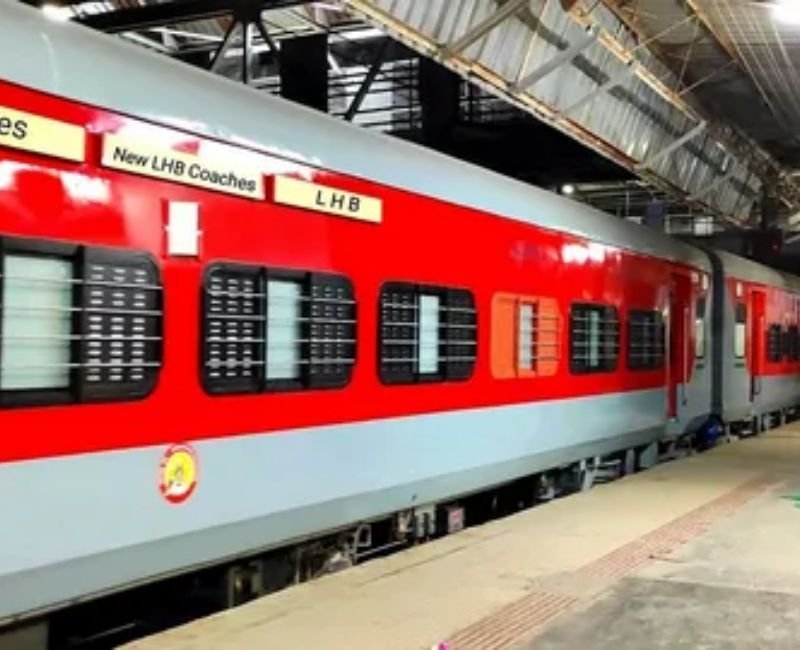
Before boarding, passengers should confirm several important details. First, check the train number and destination. This is particularly important at busy stations where several trains may depart close together.
Next, confirm the platform and coach information. If a seat has been assigned, check the coach and seat number shown on the ticket.
Keep the ticket or digital booking information easily accessible. Depending on the railway system, passengers may need to show it to staff during boarding or while traveling.
Listen carefully to station announcements because platform numbers, departure times, or other information can sometimes change. If something is unclear, ask railway staff for assistance rather than guessing.
Train Travel Safety Tips
Following basic safety practices can make a railway journey more comfortable. Passengers should stay behind designated platform safety lines and follow signs and instructions provided by railway staff.
Keep personal belongings close and avoid leaving bags unattended. Important documents, tickets, and valuable items should be kept in a secure place.
When boarding or leaving a train, take your time and use designated entrances and exits. Be especially careful when carrying luggage or traveling with younger passengers.
Passengers should also follow the railway operator’s rules regarding luggage, food, restricted areas, and emergency procedures. If an emergency occurs, listen to staff instructions and move to the appropriate safe location.
Benefits of Traveling by Train
Rail travel offers several advantages for people making short and long journeys. Trains can connect major cities with smaller communities and provide an alternative to road transportation.
For many travelers, the journey itself can be part of the experience. Large windows can provide views of countryside, mountains, rivers, coastlines, and urban areas along the route.
Trains can also allow passengers to move around more easily than they might in a private vehicle. Depending on the service, travelers may have access to comfortable seating, onboard food, restrooms, Wi-Fi, or other facilities.
For travelers planning longer journeys, trains can provide an opportunity to relax, read, work, or enjoy the scenery while moving toward the destination.
How to Find Reliable Train Travel Guide
Finding reliable information is an important part of planning a railway journey. The official website or application of the railway operator should normally be the first place to check current schedules, ticket rules, routes, and service updates.
Passengers can also use station information boards and official customer service channels. These sources may provide updates about delays, platform changes, cancellations, and other operational matters.
Third-party travel websites can sometimes be useful for comparing journeys, but travelers should verify important details with the relevant railway operator before departure.
Because railway information can change, it is better to check the details more than once when planning an important journey. This is especially useful when traveling on holidays, during major events, or when making connections.
Tips for a Comfortable Train Journey
A little preparation can make a train journey much easier. Start by checking your ticket and timetable before leaving home. Make sure you know the departure station, train number, platform information, and expected arrival time.
Arrive at the station with enough time to find your platform without rushing. If you need to change trains, understand where and when the connection takes place.
Pack your luggage according to the railway operator’s rules and keep essential items easy to reach. Water, identification, tickets, a phone, and other personal necessities can be useful during the journey.
For longer trips, comfortable clothing and simple entertainment such as a book or headphones can make the journey more enjoyable. Keep your belongings organized so that you can easily access anything you need.
Most importantly, remain aware of announcements and follow railway staff instructions throughout the trip.
Frequently Asked Questions About Train Travel Guide
What doesTrain Travel Guide include?
It can include train schedules, routes, departure and arrival times, ticket details, station information, platforms, coaches, seats, and service updates.
How can I check a train schedule?
You can usually check schedules through the railway operator’s official website, mobile application, customer service, or information boards at the station.
Do all trains require reservations?
No. Reservation requirements depend on the railway operator and the specific service. Some trains use assigned seating, while others allow passengers to sit in available seats.
What should I check before boarding a train?
Check the train number, destination, departure time, platform, coach, and seat information if applicable. Also listen for announcements about changes.
How early should I arrive at a train station?
The appropriate arrival time depends on the station, train, ticket requirements, and journey. Arriving early gives you time to find the correct platform and prepare for boarding.
Where can I find reliable Train Travel Guide?
The most reliable source is generally the official railway operator responsible for your journey. Station information boards and official customer service channels can also provide current updates.
Conclusion
Having accurate train information makes railway travel easier to plan and helps passengers avoid common problems. Checking the route, timetable, ticket, station, platform, and travel requirements before departure can make the entire journey more organized.Whether you are taking a local train or planning a long-distance trip, always verify the latest information through the appropriate railway operator before traveling. With good preparation and attention to railway instructions, passengers can enjoy a smoother and more comfortable rail journey.
Pingback: Rail Train: A Complete Guide to Modern Rail Travel