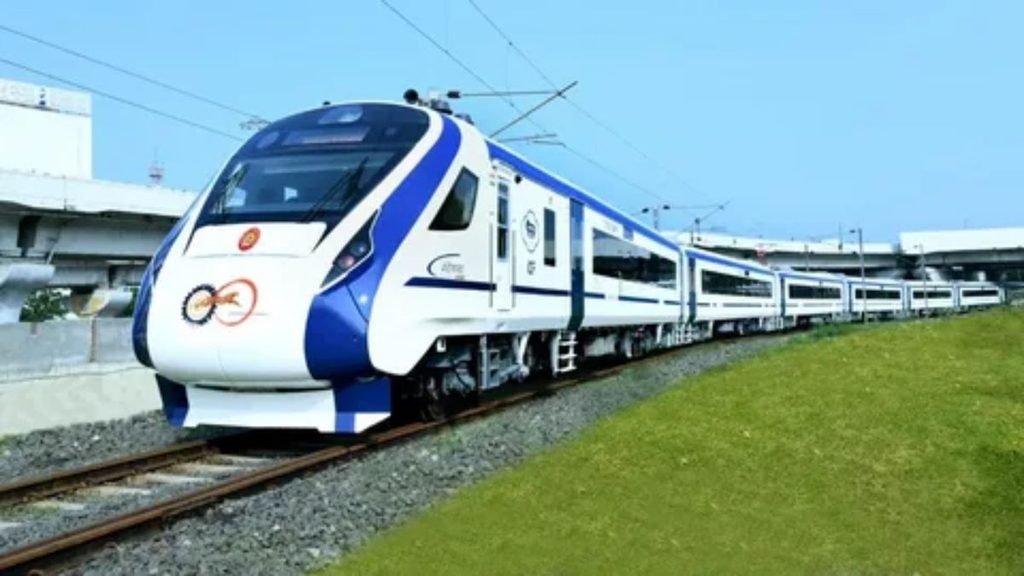
Traveling long distances can be tiring, especially when you have to drive your car for many hours. A car train offers another option for some journeys by allowing travelers to transport their vehicles by rail while they travel by passenger train. This can make certain long-distance trips more convenient and reduce the amount of time spent behind the wheel.
A car train service is not available on every railway or route. The rules, vehicle requirements, schedules, and booking options can vary depending on the country, railway operator, and destination. However, where this service is offered, it can be a useful choice for people who want to reach a destination with their own vehicle.
In this guide, you will learn what a car train is, how it works, what vehicles can usually be transported, how booking works, what it may cost, and how to prepare for the journey.
What Is a Car Train?
A car train is a railway service designed to transport passengers and their vehicles on the same journey. Instead of driving the entire distance, travelers can load their cars onto specially designed railway cars while they travel separately in passenger accommodation.
The basic idea is simple. Your vehicle travels by rail, while you travel as a passenger. When the train reaches the destination, the vehicle is unloaded and returned to you according to the operator’s procedure.
A train that carries cars is different from a normal passenger train. Regular passenger trains are primarily designed to carry people, while a vehicle-carrying train has special wagons or car carriers designed to hold automobiles and other eligible vehicles.
Car transport trains can be particularly useful for long-distance journeys where driving would require many hours on the road. However, travelers should always check whether a suitable route and service are available before making plans.
How Does a Car Train Work?
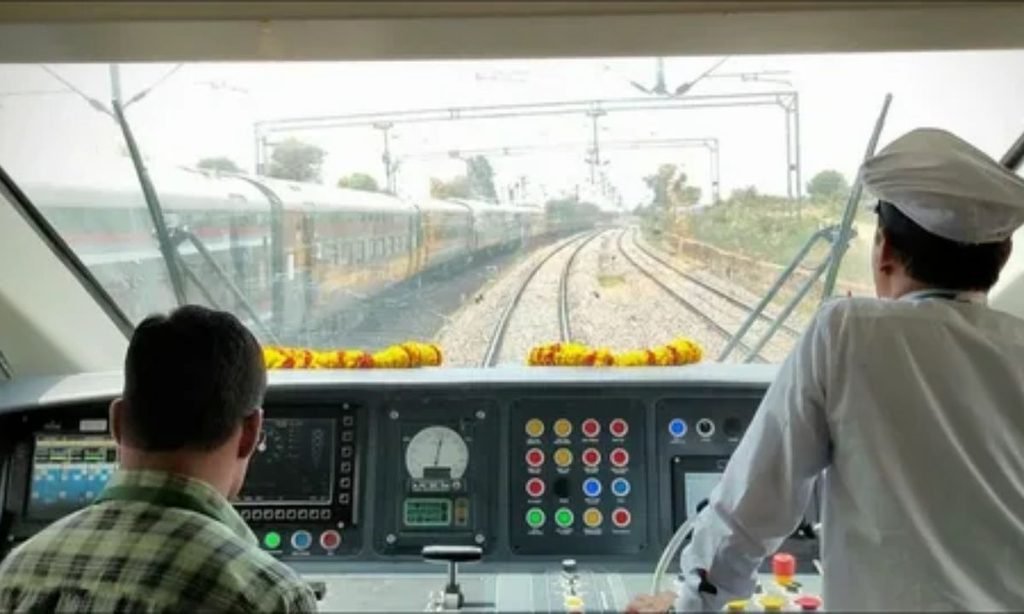
The process of using a car train is generally straightforward, although individual operators can have different procedures.
1. Find an Available Route
First, check whether a vehicle train operates between your departure and destination locations. Not every railway network offers car transportation, and some services operate only on selected routes or during certain periods.
2. Check Vehicle Requirements
Before booking, check the rules for your vehicle. Operators may have restrictions based on the vehicle’s height, length, width, weight, or type.
Specially modified vehicles, trailers, roof boxes, or other equipment may also have separate requirements.
3. Make the Reservation
Once you find a suitable service, provide the required information about your vehicle and passengers. Depending on the operator, you may need to select the vehicle type, number of passengers, travel date, and accommodation.
4. Arrive at the Loading Area
Car train passengers normally need to arrive at a specific vehicle loading location before departure. The check-in time may be different from the normal boarding time for passengers.
Follow the operator’s instructions carefully because missing the vehicle check-in deadline could cause problems with loading.
5. Load the Vehicle
Staff will guide you through the vehicle loading process. The car is placed onto the designated vehicle carrier, and passengers then move to the passenger section according to the service’s instructions.
6. Travel to the Destination
During the journey, you generally travel as a passenger rather than staying inside your vehicle. Depending on the service, passenger accommodation may include seats, sleeping facilities, or other options.
7. Collect Your Car
After reaching the destination, the vehicle is unloaded. Passengers follow the operator’s instructions for collecting their cars and leaving the station or terminal.
Why Travel With Your Car by Train?
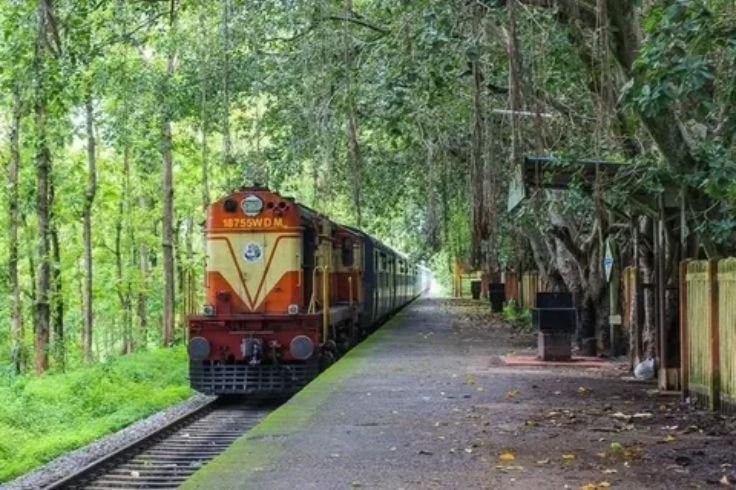
There are several practical reasons why someone might choose train travel with a car instead of driving the whole way.
Reduce Long-Distance Driving
One of the biggest advantages is avoiding a long drive. A journey that would normally require many hours on the road can become a more relaxed passenger trip.
Reduce Driver Fatigue
Driving for extended periods can be physically and mentally tiring. Using a car train can reduce the amount of time you personally spend driving.
Keep Your Own Vehicle
Renting a vehicle at your destination is not always convenient. By transporting your own car, you can have access to a vehicle you already know and use.
This can be useful when traveling with family, carrying luggage, or visiting areas where having a personal vehicle makes getting around easier.
Enjoy a Different Type of Journey
Instead of concentrating on traffic and road conditions for the entire trip, passengers can spend part of the journey relaxing, reading, sleeping, or simply enjoying the train experience.
What Types of Vehicles Can Be Taken on a Car Train?
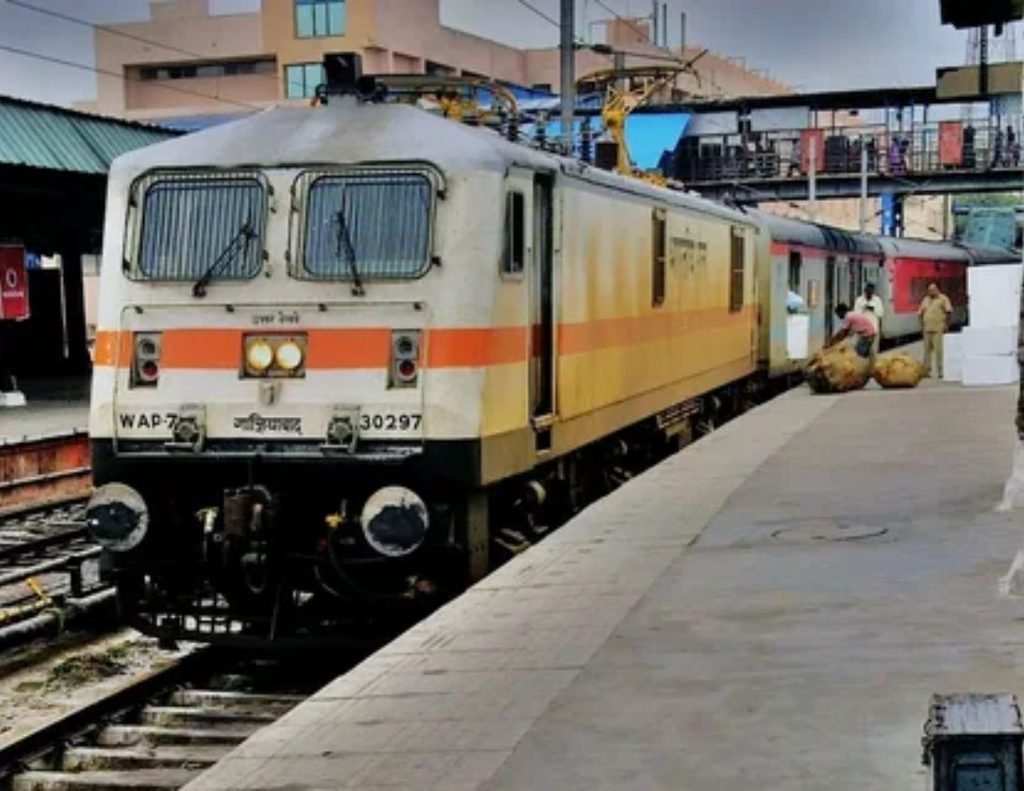
The types of vehicles accepted by a car train service depend on the individual railway operator and route.
Standard passenger cars are commonly the main type of vehicle considered for these services. Some operators may also accept SUVs, motorcycles, or other eligible vehicles.
However, not every vehicle automatically qualifies.
Vehicle Size Matters
The height, length, width, and weight of a vehicle can affect whether it can be loaded onto a particular carrier. Larger vehicles may have different requirements or may not be accepted on some services.
Modified Vehicles
Vehicles with modifications can require additional checking. Roof equipment, external accessories, trailers, or unusual dimensions may affect eligibility.
Before booking, provide accurate vehicle information and read the operator’s current conditions. Never assume that a vehicle is accepted simply because it is road-legal.
How to Book a Car Train
Booking a car train is easier when you follow a clear process.
Step 1: Search for the Route
Start by finding railway operators that offer vehicle transportation between your desired locations.
Step 2: Check Dates and Availability
Car train services may have limited schedules. Check the dates available and make sure the service fits your travel plans.
Step 3: Check Vehicle Restrictions
Read the vehicle requirements carefully. Confirm that your car’s dimensions and type meet the conditions.
Step 4: Enter Passenger and Vehicle Details
Provide accurate information about the vehicle and passengers. Incorrect details can create problems during check-in.
Step 5: Review the Total Cost
Check the complete fare before confirming your reservation. The final amount may depend on the route, vehicle, passengers, travel date, and selected accommodation or additional services.
Step 6: Confirm Your Booking
After checking all details, complete the reservation and keep your confirmation information available for the journey.
How Much Does Car Train Travel Cost?
There is no single price for car train travel because fares depend on many factors.
The car transport train price may be affected by:
- Travel distance
- Route
- Travel date
- Vehicle size and type
- Number of passengers
- Passenger accommodation
- Demand
- Additional services
- Operator-specific fees
A larger vehicle may have different pricing from a standard car. Similarly, traveling during a busy period can have different fares from traveling on a less popular date.
For this reason, it is better to check the current fare for your exact journey instead of relying on a general price estimate.
What Should You Prepare Before Taking Your Car on a Train?
Good preparation can make the experience much easier.
Check the Vehicle
Make sure your car is in suitable condition before the journey. Check important items such as tires, fuel level, and general condition according to the operator’s requirements.
Remove Valuable Items
Remove valuable or personal belongings from the vehicle unless the operator specifically allows them to remain inside.
Keep Documents Ready
Carry the documents required for both your passenger journey and vehicle transportation. The exact requirements depend on the service and country.
Follow Fuel Rules
Some vehicle transport services have specific fuel requirements. Always follow the current instructions provided by the operator.
Check Loading Instructions
Read the instructions before arriving. Find out where you need to check in and how early you should arrive.
Car Train vs Driving Your Car
Both options have advantages and disadvantages.
Driving gives you complete control over your route. You can stop when you want, change your plans, and explore places along the way. However, a long drive can take considerable time and may leave the driver tired.
A car train provides a different experience. Your vehicle is transported while you travel as a passenger. This can reduce driving time and make some long-distance journeys less tiring. On the other hand, you have to follow the train’s schedule and route.
The right option depends on the distance, availability of the service, cost, travel schedule, and personal preferences.
Tips for a Smooth Car Train Journey
A few simple steps can help you avoid unnecessary problems.
- Book early when possible: Limited vehicle capacity can affect availability.
- Check vehicle restrictions: Confirm your car’s dimensions and type before paying.
- Read the latest rules: Requirements can change between operators and routes.
- Arrive on time: Vehicle check-in may close before passenger boarding.
- Keep documents accessible: Have your booking and required documents ready.
- Remove valuables: Avoid leaving unnecessary valuable belongings in the vehicle.
- Follow staff instructions: Loading and unloading procedures should be followed carefully.
- Confirm the destination: Make sure you know where your vehicle will be collected.
- Check your vehicle after unloading: Look over the vehicle before leaving the terminal.
Frequently Asked Questions About Car Trains
1. What is a car train?
A car train is a railway service that transports vehicles while passengers travel by train. It allows eligible travelers to take their own vehicles to certain destinations without driving the entire distance.
2. Can I take my own car on a train?
Yes, if a suitable vehicle-carrying service operates on your route and your vehicle meets its requirements. Availability and vehicle restrictions vary by operator.
3. How does a car train work?
You book a passenger and vehicle reservation, take your car to the designated loading location, follow the check-in procedure, and allow the railway staff to load the vehicle. You then travel as a passenger and collect the car after arrival.
4. How much does it cost to transport a car by train?
The cost varies according to factors such as route, distance, vehicle type, travel date, number of passengers, accommodation, and additional services. Check the current fare for the exact journey.
5. Can SUVs travel on car trains?
Some car train services accept SUVs, but acceptance depends on the vehicle’s dimensions and the operator’s rules. Always check the maximum height, width, length, and weight requirements.
6. Do passengers travel on the same train as their cars?
In services designed for passengers and vehicles, passengers generally travel by the same overall rail service while their vehicles are carried separately in vehicle wagons. The exact arrangement depends on the operator.
7. How early should I book a car train?
It is generally sensible to check availability and book as early as your plans allow, especially when vehicle capacity is limited. Always confirm the operator’s booking conditions and cancellation rules.
Conclusion
A car train can provide a practical alternative to driving long distances when a suitable service is available. It allows travelers to transport their vehicles by rail while traveling as passengers, potentially reducing driving time and fatigue.Before choosing a car train service, check the route, schedule, vehicle restrictions, total cost, check-in requirements, and current rules. Because services differ by country and railway operator, careful planning is important.
Pingback: A Train Status: A Complete Guide to Checking Train Schedules
Pingback: Train Trips for Seniors: A Complete Guide to Comfortable