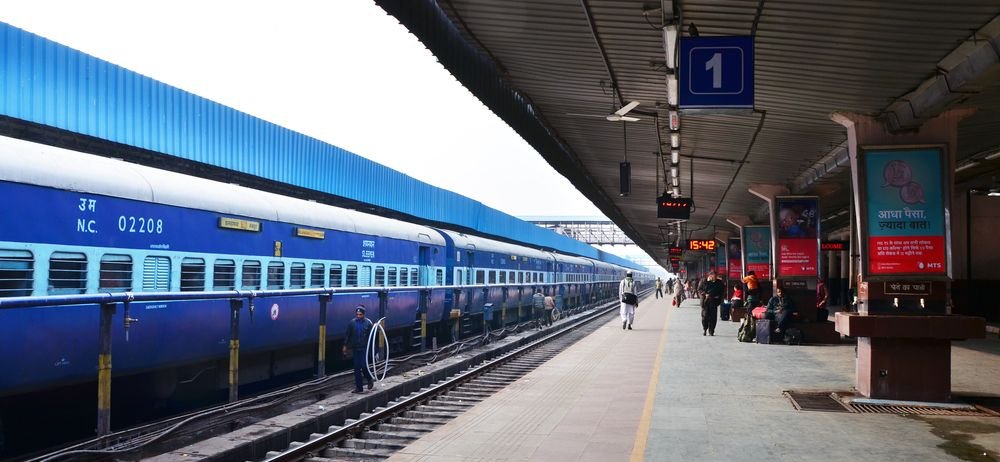
clear idea of how trains travel from one location to another and where you may need to change trains.
Whether you are taking a short local trip or planning a long-distance journey, knowing how to read a train can make your travel plans simpler. With the right and an updated train schedule, you can better understand your route before leaving.
What Is a Map?
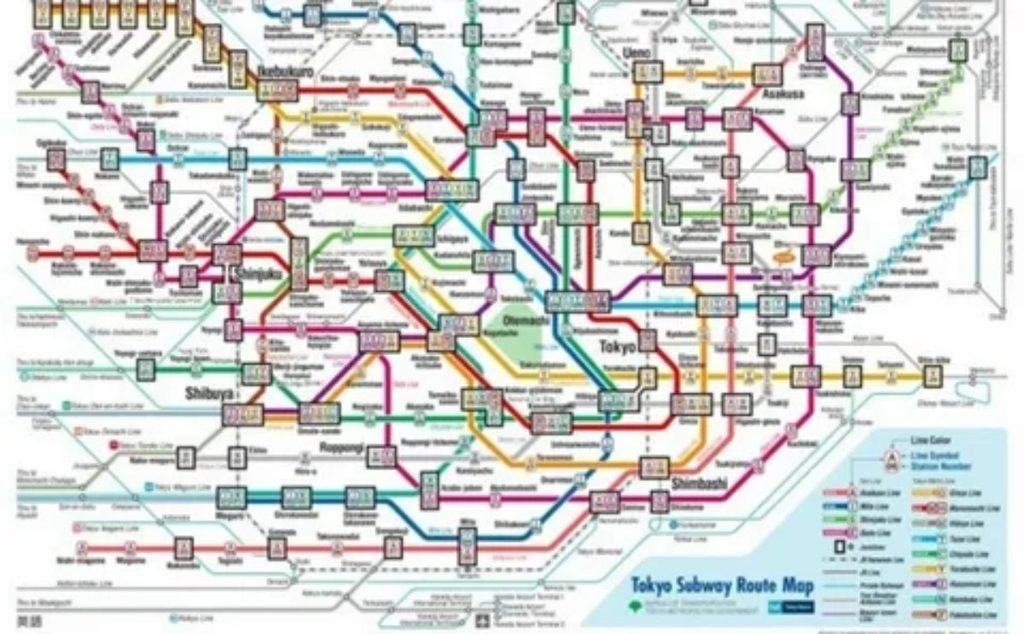
A train usually refers to that shows train routes, railway lines, stations, and connections. These maps can be available online, inside train stations, through travel apps, or as printed guides.
Train maps use lines, symbols, station names, and sometimes different colors to show various routes. By looking at the map, travelers can get a simple picture of the railway network before starting their journey.
How to Read a Map
Reading a train map may seem difficult at first, but most maps follow a simple structure. Start by finding your departure station and then locate your destination.
Follow the railway line between these two points. Check the stations along the route and look for connection points where different train lines meet. If your journey requires a change, identify the station where you need to transfer.
Always check the actual schedule separately because a map mainly shows routes and stations, while schedules provide departure and arrival times.
Information You Can Find on Train Maps
A train map can provide several useful details, including:
- Train stations and stops
- Railway routes and lines
- Connections between different routes
- Major transfer stations
- Direction of travel
- Different types of train services in some networks
This information helps travelers understand the structure of a railway system before they begin their trip.
Using Train Maps for Different Journeys

Train maps can be useful for many types of travel. Local travelers can use them to find nearby stations and understand city train routes. Regional travelers can use maps to plan trips between towns and cities.
For long-distance journeys, a railway map can help travelers see the larger network and understand how different routes connect. It can also help them compare possible routes before checking ticket prices and schedules.
Tips for Using a Train Map
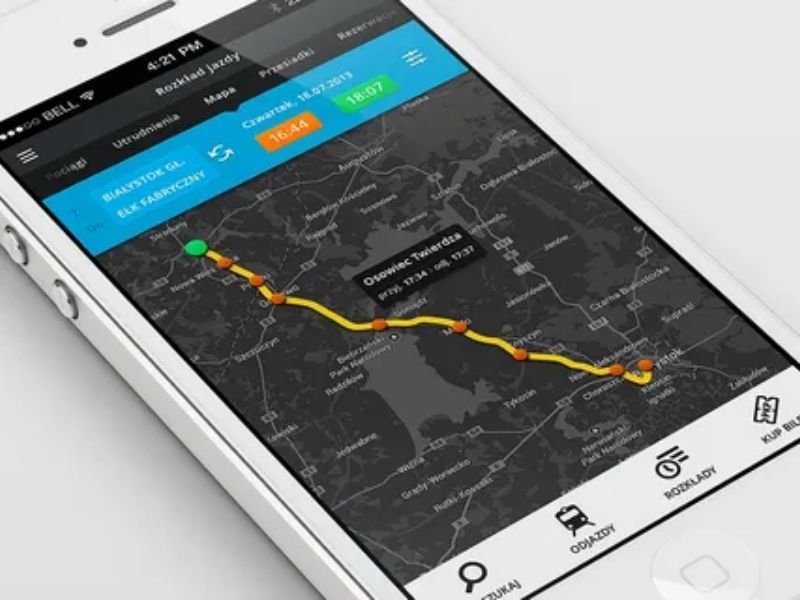
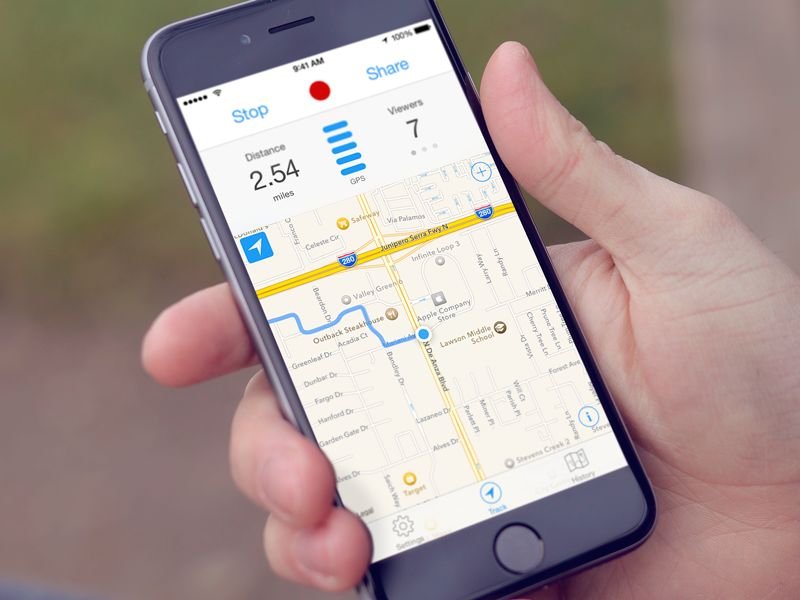
If you are using a digital train map, make sure your phone has enough battery before leaving. Save important route information or take a screenshot when possible.
For printed maps, keep the map easy to access during your journey. Always double-check station names because some cities may have stations with similar names.
It is also important to check the latest train schedule because routes and services can change.
Common Mistakes to Avoid
One common mistake is assuming that every line shown on a train map represents a direct train. Some routes may require passengers to change trains.
Another mistake is confusing a station’s location with the exact train departure time. A map shows routes, but schedules show when trains operate.
Travelers should also avoid relying only on an old printed map when traveling on an unfamiliar railway network.
FAQs About Map Train
1. What is a map train?
A map train generally refers to a train route or railway map that shows stations, railway lines, and connections.
2. How do I use a train map?
Find your starting station and destination, then follow the route between them. Check for transfer stations if you need to change trains.
3. Does a train map show departure times?
Usually, train maps focus on routes and stations. You should check a current timetable for departure and arrival times.
4. Can I use a train map on my phone?
Yes. Many railway networks provide digital maps that can be viewed on smartphones or through travel applications.
5. Why are train maps useful?
Train maps make it easier to understand railway routes, find stations, identify connections, and plan a journey.
Conclusion
A map train or railway map is a simple but useful tool for planning train travel. It helps travelers understand routes, stations, connections, and directions before starting a journey. By learning how to read a train map and checking the latest schedule, you can make your train trip more organized and easier to manage.