
Train travel can be a relaxing and enjoyable way to explore new places, especially for older adults who want to enjoy the journey without spending hours behind the wheel. With comfortable seats, large windows, scenic views, and the chance to move around during the trip, trains can make travel feel less rushed.
Train trips for seniors can range from short regional journeys to long-distance rail vacations. The right trip depends on personal comfort, mobility, interests, budget, and the amount of time available. With a little planning, seniors can choose a train journey that makes the travel experience enjoyable from departure to arrival.
Why Train Trips Are a Good Option for Seniors

One of the main attractions of train travel is that passengers do not have to concentrate on driving. Instead, they can sit back, enjoy the scenery, read a book, talk with travel companions, or simply relax.
Many trains also provide spacious seating compared with some other forms of transportation. On longer journeys, passengers may have opportunities to walk around the train, visit a dining area, or change their position during the trip.
Other advantages of senior train travel include:
- Comfortable seating for longer journeys
- Large windows for enjoying views
- Less stress than driving long distances
- Access to major cities and travel destinations
- Opportunities to move around during the journey
- A more relaxed way to experience the landscape
- Time to enjoy books, music, conversations, or other activities
For people who enjoy watching the countryside pass by, a train can also make the journey itself part of the vacation.
How to Choose the Right Train Trip for Seniors
Not every train journey will provide the same level of comfort or convenience. Before booking, seniors should think about what type of experience they want and what arrangements will make the journey easier.
Consider the Journey Length
A short train trip may be a good introduction to rail travel, while a long-distance journey requires more planning. Think about how many hours will be spent on the train and whether overnight travel is appropriate.
For longer journeys, check whether the train provides comfortable seating, sleeping options, food services, and suitable restrooms.
Check Accessibility
Accessibility is an important consideration for train travel for older adults. Before booking, check whether the stations and trains provide the assistance or facilities needed.
Depending on the train operator, available services may include accessible boarding areas, wheelchair assistance, accessible seating, or help at the station.
Look at Station Facilities
The journey is not only about the train. Stations can also affect the travel experience. Check whether the departure and arrival stations have elevators, seating areas, accessible restrooms, and easy connections to local transportation.
Think About Transfers
A direct train can be simpler than a journey requiring several changes. If transfers are necessary, allow enough time to move between platforms and find the correct train.
Consider the Destination
A comfortable train journey can become difficult if the destination requires a lot of walking or complicated transportation. Consider what the arrival experience will be like before making a reservation.
Best Types of Train Trips for Seniors
There are many different types of rail journeys, so seniors can choose an experience that matches their interests and comfort level.
Scenic Train Trips
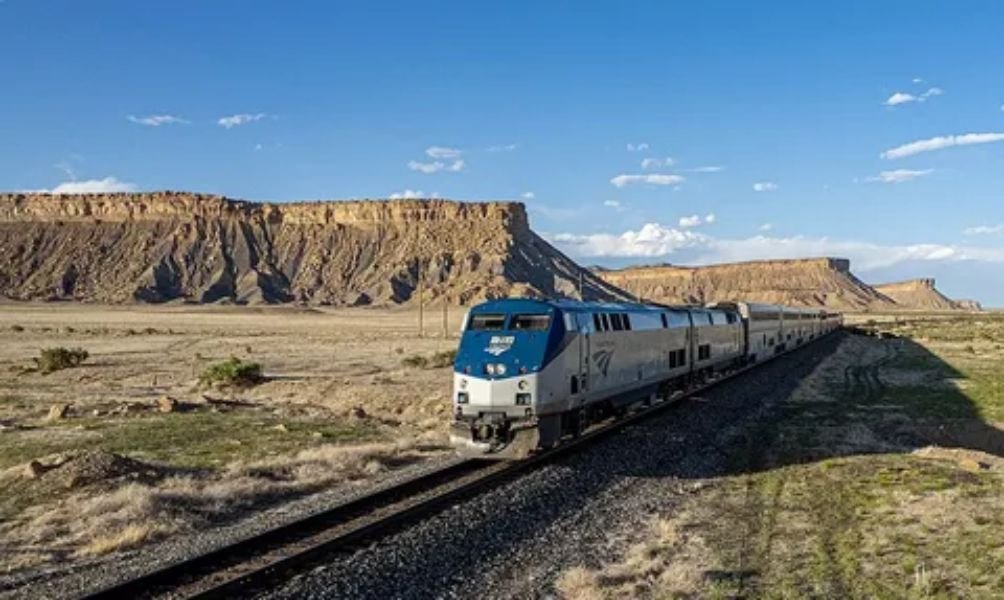
Scenic train trips are designed around beautiful landscapes. Passengers may see mountains, forests, rivers, lakes, coastlines, or countryside from the comfort of their seats.
These scenic train rides for seniors can be especially enjoyable for travelers who prefer sightseeing rather than a busy schedule.
Short Regional Train Journeys
Short trips are useful for people who want to experience rail travel without committing to a full-day or overnight journey. They can also be easier to plan and may require less luggage.
Long-Distance Train Vacations
Long-distance train travel for seniors can turn transportation into a major part of the vacation. These journeys may cover large distances and pass through several regions.
Before booking a long trip, check seating arrangements, meal options, restroom facilities, and sleeping accommodations if an overnight journey is planned.
Coastal Train Rides
Coastal routes can offer views of beaches, cliffs, water, and seaside communities. They can be a relaxing choice for travelers who enjoy scenery and photography.
Mountain and Countryside Journeys
Mountain and countryside rail routes can provide views that are difficult to experience from a highway. These journeys may be especially appealing to nature lovers.
Luxury Train Experiences
Luxury trains generally focus on comfort, dining, service, and sightseeing. They may cost more than ordinary rail travel, but they can provide a more organized and leisurely travel experience.
Tips for Planning Train Trips for Seniors
Good planning can make a significant difference to the overall experience. Seniors should take time to understand the journey before leaving home.
Book Early When Possible
Booking early can provide more choices when selecting seats or accommodations. It may also make it easier to find arrangements that suit individual needs.
Choose Comfortable Seating
Look at the available seating options before purchasing a ticket. For a longer journey, comfort can be more important than simply choosing the cheapest seat.
Check the Route
Review the complete route, including departure station, stops, transfers, and arrival station. Knowing the route in advance can reduce confusion during the journey.
Plan Transfers Carefully
If the trip requires changing trains, check how much time is available between connections. Avoid making a connection unnecessarily tight when a longer transfer time is available.
Keep Important Documents Accessible
Keep tickets, identification, booking information, and other important documents somewhere that is easy to reach.
Pack Light

Heavy luggage can make station transfers more difficult. Pack only what is necessary and make sure bags are manageable.
Check Luggage Rules
Different train services can have different luggage policies. Check the rules before departure so there are no surprises at the station.
Allow Extra Time
Arriving at the station early gives travelers time to find the platform, use the restroom, organize luggage, and board without rushing.
Consider Travel Insurance
For longer or more expensive trips, travelers may consider travel insurance. Before purchasing, read the policy carefully to understand what is and is not covered.
What Seniors Should Pack for a Train Journey
Packing the right items can make the journey more comfortable. A small personal bag can keep important items close during the trip.
Useful items may include:
- Comfortable clothing
- Comfortable walking shoes
- Light snacks
- Water
- Travel documents
- Phone and charger
- Small travel pillow
- Reading material
- Headphones
- Personal medications in their original packaging
- Hand sanitizer and basic personal items
Avoid overpacking. A lighter bag is generally easier to handle when moving through a station or changing trains.
How to Make a Long Train Journey More Comfortable
Long journeys can be enjoyable when passengers prepare properly. Comfortable clothing is a simple starting point. Avoid clothing that feels restrictive and choose layers that can be adjusted if the temperature changes.
During longer trips, take reasonable opportunities to stand up and move around when it is safe and practical. Walking through the train may also provide a pleasant change from sitting.
Staying hydrated and having light snacks available can make the journey more convenient. It is also useful to keep frequently needed items within easy reach rather than storing everything in a large suitcase.
Entertainment can make several hours pass more quickly. Books, music, podcasts, downloaded movies, puzzles, or simple conversations with travel companions can all add enjoyment.
For overnight journeys, consider whether a sleeping accommodation would provide more comfort than remaining in a regular seat.
Accessibility and Assistance on Train Trips
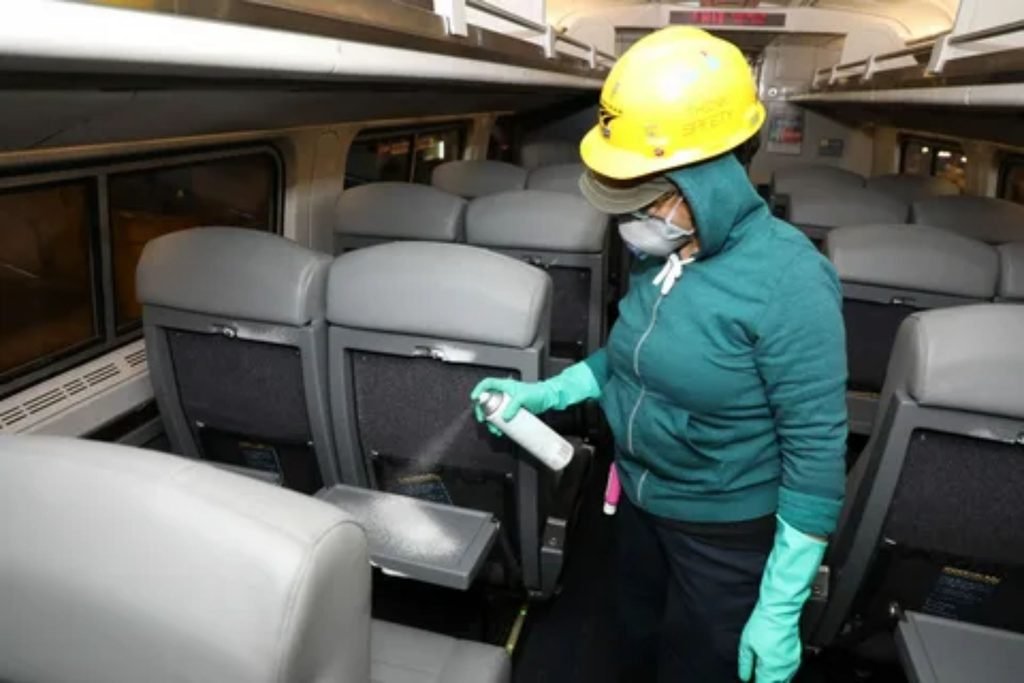
Accessibility should be considered before booking, particularly when a traveler has mobility limitations or needs additional assistance.
Depending on the train operator and route, services may include:
- Wheelchair assistance
- Accessible boarding areas
- Accessible seating
- Accessible restrooms
- Station assistance
- Luggage assistance
- Help getting on or off the train
Available services can vary between operators, trains, and stations. Travelers should confirm the details before departure rather than assuming every train provides the same facilities.
If assistance is required, contacting the train operator in advance can help travelers understand the available options and any arrangements that need to be made.
Train Trips for Seniors: Safety and Comfort Tips
Simple precautions can help make a train journey smoother.
Keep valuable items such as identification, money, phones, and important documents secure and close to you. Avoid rushing through stations, especially when moving between platforms.
It can also be useful to keep an emergency contact’s information easily accessible. Travel companions should know where important documents and essential personal items are stored.
Follow instructions from train staff and pay attention when approaching your destination. If assistance is needed, asking staff is usually better than trying to manage a difficult situation alone.
Most importantly, give yourself enough time. A relaxed schedule can make senior-friendly train journeys much more enjoyable.
FAQs About Train Trips for Seniors
1. Are train trips comfortable for seniors?
Train trips can be comfortable for seniors because passengers can sit back, enjoy the scenery, and avoid the demands of driving. Comfort depends on the train, seat, journey length, and individual needs.
2. What should seniors consider before taking a long train journey?
They should consider journey length, seating, restroom access, food options, luggage, transfers, accessibility, and the facilities available at departure and arrival stations.
3. Are there accessible train services for seniors?
Many train operators provide accessibility features and assistance, but services vary by route and operator. Travelers should confirm available facilities before booking.
4. What should seniors pack for a train trip?
Useful items include comfortable clothing, walking shoes, water, light snacks, travel documents, a phone and charger, entertainment, and any necessary personal medications.
5. Are scenic train trips suitable for older adults?
Scenic train trips can be an enjoyable option for older adults who like sightseeing. The best choice depends on the person’s comfort, mobility, journey length, and preferred travel style.
6. How can seniors make a long train journey more comfortable?
Choosing comfortable seating, packing light, staying hydrated, taking practical movement breaks, keeping important items nearby, and bringing entertainment can help make a long journey easier.
Conclusion
Train travel can offer seniors a comfortable and enjoyable way to explore new destinations while making the journey part of the experience. From short regional rides and scenic routes to long-distance rail vacations, there are many options to consider.The key is to choose a trip that matches personal comfort, mobility, interests, and travel preferences. With thoughtful planning, the right luggage, suitable seating, and attention to accessibility, train trips for seniors can become a relaxing and memorable way to travel.
Pingback: Train Trips Across the United States: A Complete Guide
Pingback: A Train Status: A Complete Guide to Checking Train Schedules
Pingback: Italy by Train: A Complete Guide to Exploring Italy by Rail
Pingback: Train Rides: A Complete Guide to Enjoying Scenic