
Finding the cheapest train tickets can make a big difference to your travel budget. Whether you are planning a short weekend trip, a long-distance journey, or a family vacation, train fares can vary considerably depending on when and how you book.
The good news is that you do not always need to change your travel plans completely to reduce your costs. Comparing different departure times, checking alternative dates, booking ahead, and understanding ticket types can help you find more affordable options.
In this guide, you will learn practical ways to find cheap train tickets and avoid common mistakes when planning your next rail journey.
What Are the Cheapest Train Tickets?
The cheapest train tickets are generally the lowest available fares for a particular route, date, and train. However, there is no single price that is always the cheapest because fares can change based on several factors.
Travel date, departure time, train operator, availability, demand, and ticket conditions can all affect the final price. A train leaving during a busy morning period may cost more than a similar train later in the day.
The cheapest fare may also come with restrictions. For example, some low-cost tickets may only be valid on a specific train and may have limited options for changes or refunds.
For this reason, travelers should look at both the price and the conditions before booking.
How to Find the Cheapest Train Tickets
Finding affordable train tickets usually requires a little comparison. Instead of booking the first option you see, take some time to check different possibilities.
Compare Different Train Operators
If more than one train company operates on your route, compare their available fares. Different operators may offer different ticket types, schedules, and prices.
Always check what is included with each fare and whether the journey uses the same route or requires additional changes.
Check Multiple Departure Times
The time of day can influence the cost of a train ticket. Search several departure times rather than focusing on one particular train.
An earlier or later train may have a lower fare, especially when the most popular services are busy.
Search Different Travel Dates
If your schedule is flexible, check nearby dates. Moving your journey by one day or even a few hours can sometimes reveal more affordable fares.
This is particularly useful for travelers who are not required to travel on a specific date.
Book in Advance When Possible
Many railway systems release certain fares before the travel date. Some advance tickets can be less expensive than tickets purchased closer to departure.
However, booking rules differ between operators and countries, so check the conditions before purchasing.
Compare One-Way and Return Tickets
Depending on the railway system and route, a return ticket may or may not offer better value than buying two separate tickets.
Compare both options before making your decision.
Check Different Routes
Sometimes an alternative route can have a different fare. You might find that another train service or departure station offers a more affordable option.
Remember to consider the complete journey, including any additional transportation required to reach another station.
Look for Available Discounts
Some railway systems offer discounts for students, children, families, seniors, groups, or other eligible travelers.
Always check the requirements before assuming that you qualify for a discount.
Use Official Railway Booking Platforms
Official railway websites and apps can be useful places to check schedules, fares, restrictions, and available ticket types.
If you find a fare on another platform, compare the final price and booking conditions before paying.
Book Your Train Ticket Early
One of the most useful strategies for finding cheap train tickets is checking fares well before your planned journey.
Some railway operators make a limited number of lower-priced tickets available in advance. Once those tickets sell out, other fare categories may remain available at higher prices.
This does not mean that every train ticket becomes more expensive as the departure date approaches. Pricing systems differ between countries and operators. However, checking early gives you more opportunities to compare available fares.
When booking an advance ticket, pay attention to restrictions. A cheaper fare may be tied to a particular train or travel time and may have limited change or refund options.
Travel During Off-Peak Times
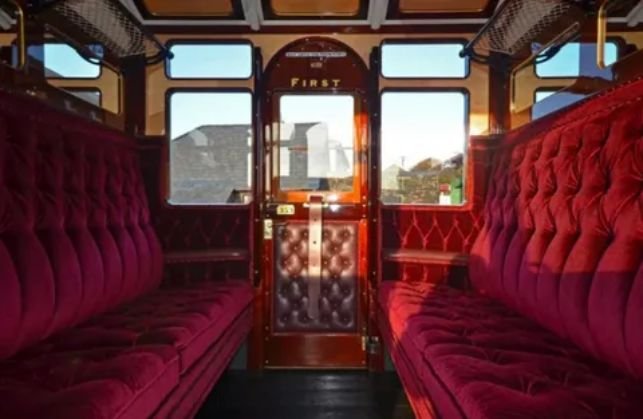
Busy trains can sometimes have higher fares than services running during quieter periods. Searching for off-peak journeys may help you discover more affordable options.
Consider checking:
- Early morning services
- Midday trains
- Late evening departures
- Weekday journeys
- Travel outside major holidays
For example, if you normally search only for a Friday evening departure, try checking Friday afternoon or Saturday morning as well.
Off-peak rules vary by railway system, so always check the conditions attached to the ticket.
Be Flexible With Your Travel Date
Flexibility is one of the simplest ways to improve your chances of finding affordable train fares.
Suppose you plan to travel on Saturday but have no specific appointment. You could compare Friday, Saturday, and Sunday fares. One of those dates may have a better combination of price and schedule.
You can also compare different departure times on the same day.
A flexible search does not guarantee a cheaper ticket, but it gives you more options to consider.
Compare Different Train Routes
The fastest route is not always the least expensive route. Depending on the railway network, travelers may have several ways to reach the same destination.
A direct train may be more convenient, while a route involving a connection could sometimes have a different fare. An alternative departure station may also provide another option.
However, do not compare the ticket price alone. Consider:
- Total travel time
- Number of changes
- Connection times
- Transportation to the station
- Local transportation after arrival
- Possible additional fees
A slightly more expensive direct train could sometimes provide better overall value than a cheaper route requiring several changes.
Look for Railcards and Travel Discounts

Some countries have railcards or discount programs that can reduce eligible travelers’ fares. Discounts may be available for groups such as students, young travelers, seniors, families, or frequent passengers.
Before purchasing a discount card, check its price and eligibility rules. It is important to consider whether the expected savings justify the cost of the card.
Discounted train tickets can also have specific conditions, so read the terms before booking.
Choose the Right Ticket Type
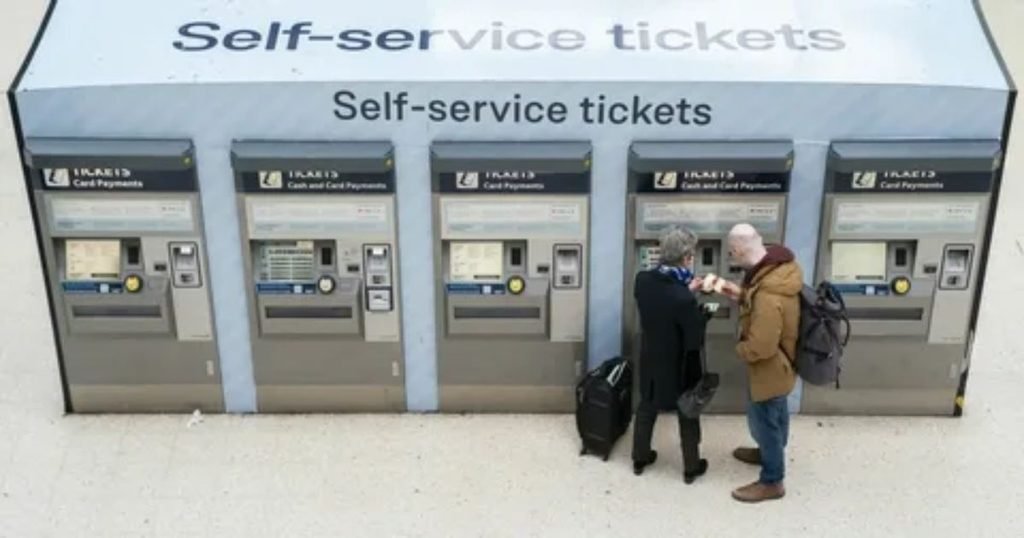
Understanding different ticket types can help you avoid paying for flexibility you do not need.
Advance Tickets
Advance tickets are often sold for specific trains and may have restrictions. They can sometimes offer lower fares when purchased early.
Off-Peak Tickets
These tickets are designed for travel outside certain busy periods. The exact rules depend on the railway operator.
Flexible Tickets
Flexible tickets generally provide more freedom to change travel times or trains, depending on the fare rules. They may cost more than restricted tickets.
Non-Refundable Tickets
Some low-cost tickets may have limited refund or change options. Always check the conditions before purchasing.
Return Tickets
A return ticket covers travel to a destination and back, but the value compared with two one-way tickets varies by route and operator.
One-Way Tickets
One-way tickets can be useful when your return plans are uncertain or when separate fares provide better options.
The cheapest ticket is only useful if its restrictions fit your travel plans.
Check for Train Ticket Deals
Railway companies sometimes offer promotional fares, seasonal offers, or other discounts. These deals may have limited availability and specific booking conditions.
When you find a promotion, check the complete terms before booking. A low advertised price may apply only to selected trains, dates, or ticket types.
It can also be useful to compare the promotional fare with other available options to understand the overall value.
Avoid Unnecessary Extra Costs
A cheap ticket does not always mean a cheap journey. Additional costs can increase the total amount you spend.
Depending on the railway system, these costs may include:
- Seat reservation fees
- Change or cancellation charges
- Transportation to another station
- Baggage-related charges
- Booking fees
- Local transportation at your destination
For example, an alternative station might have a lower ticket price but require an expensive taxi ride. In that situation, the total journey cost could be higher.
Always compare the complete cost of your trip rather than looking only at the advertised fare.
CheapestTrain Tickets for Different Types of Travelers
For Students
Students should check whether their railway system provides student fares or other eligible discounts. Flexible travel dates can also make it easier to compare different prices.
For Families
Families can check child fares, family tickets, and available group discounts. Traveling outside busy periods may also provide more options.
For Solo Travelers
Solo travelers often have greater flexibility. They can compare different departure times, dates, and routes without coordinating with a large group.
For Weekend Travelers
Weekend travelers can compare both departure and return times. Traveling slightly earlier or later than the busiest period may provide additional fare choices.
Common Mistakes When Looking for Cheap Train Tickets

Travelers sometimes make simple mistakes that can make their journey more expensive.
Common mistakes include:
- Booking the first ticket without comparing options
- Waiting until the last minute without checking earlier fares
- Ignoring ticket restrictions
- Searching only one departure time
- Looking at only one route
- Forgetting additional transportation costs
- Assuming the lowest advertised price is always the best value
Taking a few extra minutes to compare your options can help you make a more informed booking decision.
Tips to Save Money on Train Travel
Here are some practical ways to make budget train travel easier:
- Book early when suitable fares are available.
- Compare several travel dates.
- Check different departure times.
- Look for off-peak services.
- Compare different train operators.
- Check whether you qualify for discounts.
- Compare one-way and return fares.
- Consider alternative routes.
- Read ticket restrictions before paying.
- Calculate the total journey cost.
The most useful strategy is to combine several of these methods rather than relying on only one.
Is the Cheapest Train Ticket Always the Best Choice?
The cheapest ticket is not necessarily the best option for every traveler.
A very low-cost ticket may require you to travel at an inconvenient time, use a specific train, or accept restrictions on changes and refunds. Another ticket may cost more but provide greater flexibility and convenience.
Consider your priorities before booking. If your plans are fixed, a restricted fare may suit you. If your schedule could change, paying more for flexibility may be worth considering.
The right choice depends on the route, travel plans, ticket conditions, and total journey cost.
Frequently Asked Questions
1. How can I find the cheapest train tickets?
Compare different dates, departure times, routes, operators, and ticket types. Booking early can sometimes provide access to lower fares. You should also check available discounts and promotional offers. Always read the ticket conditions and compare the complete cost of the journey before booking.
2. Is it cheaper to book train tickets in advance?
Advance booking can sometimes provide access to lower-priced fares, particularly when railway operators release limited advance tickets. However, this varies by country and train operator. Compare the available fares and check the restrictions before choosing an advance ticket.
3. What is the best time to book cheap train tickets?
There is no universal booking time that guarantees the lowest fare. Some operators release affordable tickets well before departure, while others use different pricing systems. Checking fares early and comparing prices regularly can give you more choices.
4. Can flexible travel dates help me find cheaper train fares?
Yes, flexible dates can give you more opportunities to find affordable fares. If possible, compare the day before and after your preferred travel date. Also check different departure times because prices can vary between services.
5. Are off-peak train tickets cheaper?
Off-peak tickets can sometimes be less expensive than fares for busy travel periods. However, pricing and off-peak definitions differ between railway systems. Check the specific conditions for your route before booking.
6. How can I save money when booking train tickets?
To save money on train travel, compare different fares, book early when appropriate, consider off-peak travel, check discounts, and search flexible dates. You should also compare alternative routes and calculate additional costs before choosing a ticket.
Conclusion
Finding the cheapest train tickets is mainly about comparing your options and understanding how railway fares work. Travel dates, departure times, routes, ticket types, availability, and discounts can all affect the final price.Start by checking fares early, compare several travel options, and look beyond the advertised ticket price. Make sure you understand restrictions before booking and consider the total cost of your journey.
Pingback: DC to NYC Train: A Complete Guide to Traveling by Train