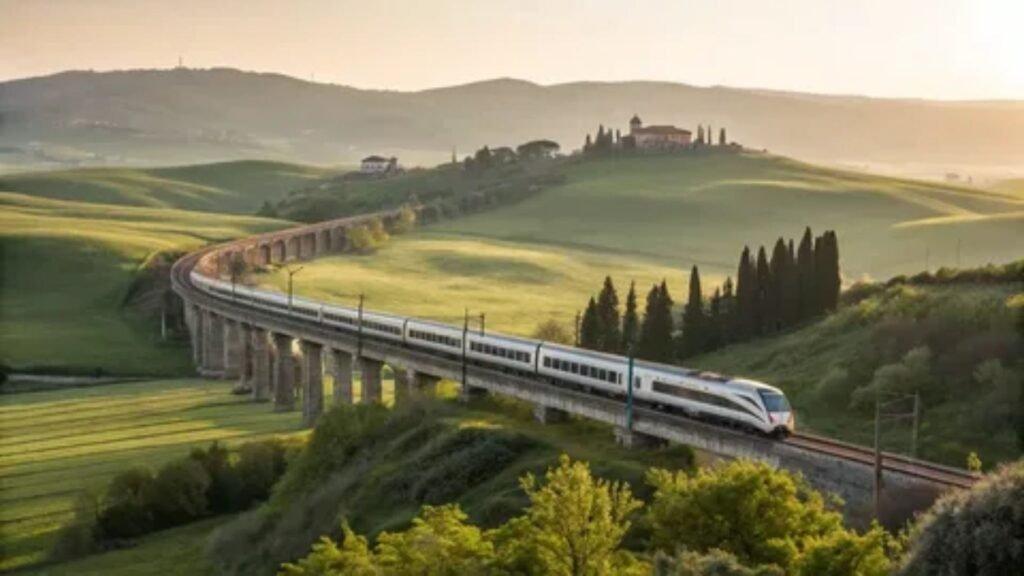
Traveling around Italy by train is a convenient way to experience some of the country’s most famous cities, historic towns, and beautiful landscapes. From the ancient streets of Rome to the canals of Venice, many popular destinations can be connected by rail. For travelers who want to visit several places during one trip, trains can make moving between cities simple and comfortable.
Italy has different types of trains for different journeys. High- services are useful for traveling between major cities, while regional trains can take passengers to smaller towns and nearby destinations. Understanding the basic Italian railway system can help first-time visitors plan their journey with greater confidence.
Whether you are planning a short city break or a longer vacation, this guide to Italy by Train explains how train travel works, which cities you can visit, how to buy tickets, and what useful tips you should know before starting your journey.
Why Travel Italy by Train?
One of the main advantages of train travel in Italy is the ability to connect different destinations without having to drive between them. Major cities are linked by rail, making it possible to create a multi-city itinerary without changing hotels every day.
Trains can also be convenient because stations are often located in or close to city centers. After arriving, travelers may be able to walk, use local public transportation, or take a short taxi ride to their accommodation.
Another benefit is the experience itself. Instead of concentrating on traffic and directions, passengers can sit back and watch towns, countryside, hills, and other parts of the Italian landscape pass by the window.
For many travelers, train travel in Italy is also a practical alternative to renting a car, particularly when visiting large cities where parking can be difficult.
How the Italian Train System Works
The Italian railway system includes several types of services. The two broad categories most useful for tourists are high-speed trains and regional trains.
High-speed trains are designed mainly for longer journeys between major cities. They are generally faster than regional services and are useful when travelers want to cover a large distance in less time.
Regional trains are designed for shorter routes and connections between cities, towns, and local destinations. They can be useful when exploring areas outside the major tourist centers.
Before booking a journey, check the train type, departure station, arrival station, travel time, and ticket conditions. These details can vary depending on the service you choose.
Best Cities to Visit in Italy by Train
Italy has many destinations that can be reached by rail. Several major cities are especially useful for travelers creating a train-based itinerary.
Rome

Rome is often an important starting point for an Italian vacation. The city is known for its ancient history, famous landmarks, museums, churches, and lively neighborhoods. From Rome, travelers can continue by train to several other major destinations.
Florence
Florence is famous for Renaissance art, architecture, museums, and historic streets. Its central location makes it a useful stop between northern and southern parts of a trip.
Venice
Venice offers a completely different travel experience with its canals, bridges, historic buildings, and pedestrian streets. Arriving by train can be particularly convenient because the railway station is close to the historic part of the city.
Milan
Milan is an important city in northern Italy and is known for fashion, business, architecture, shopping, and cultural attractions. It can also be used as a base for exploring other northern destinations.
Naples
Naples is located in southern Italy and is known for its history, food, lively streets, and proximity to attractions in the surrounding region. Train connections make it possible to include Naples in a larger Italian itinerary.
Bologna
Bologna is well known for its historic center, food culture, university, and distinctive architecture. Its location makes it a useful railway connection for travelers exploring northern and central Italy.
Turin
Turin is located in northwestern Italy and is known for its elegant architecture, museums, food, and cultural attractions. It can be included in a northern Italy train journey.
High-Speed Trains in Italy
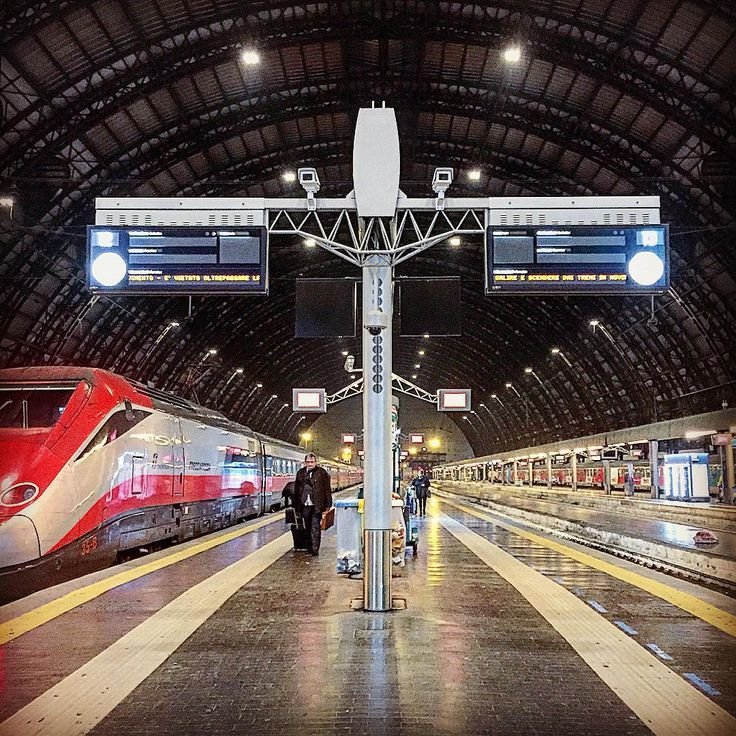
High-speed trains in Italy are particularly useful when traveling between major cities. They allow travelers to cover longer distances more quickly than many regional services.
For example, a traveler can use high-speed rail when moving between major destinations such as Rome, Florence, Milan, Naples, or Venice.
These trains usually offer different seating options and services depending on the operator and ticket type. When booking, pay attention to the departure and arrival stations because some cities have multiple railway stations or services that serve different areas.
High-speed trains are often a good choice when your itinerary includes several major cities and you want to spend more time exploring rather than traveling.
Regional Trains in Italy
Regional trains are useful for shorter journeys and for reaching destinations that may not be directly served by high-speed services.
They can be a practical choice when visiting smaller towns or traveling between nearby cities. Regional services may also provide a slower journey that allows passengers to see more of the countryside.
Ticket rules can differ between regional and high-speed services, so travelers should always check the conditions attached to their ticket. If you are unsure about a ticket, confirm the requirements before boarding.
Popular Italy by Train Routes

A well-planned railway itinerary can connect several famous Italian destinations.
Rome to Florence
The journey between Rome and Florence is popular with travelers visiting both central Italian cities. It can fit easily into a multi-city itinerary that includes history, art, food, and culture.
Florence to Venice
Traveling from Florence to Venice allows visitors to move from the Renaissance atmosphere of Florence to the unique canals and architecture of Venice.
Rome to Naples
Rome and Naples can be combined in the same trip, allowing travelers to experience two very different Italian cities. Naples can also serve as a base for exploring nearby attractions.
Milan to Venice
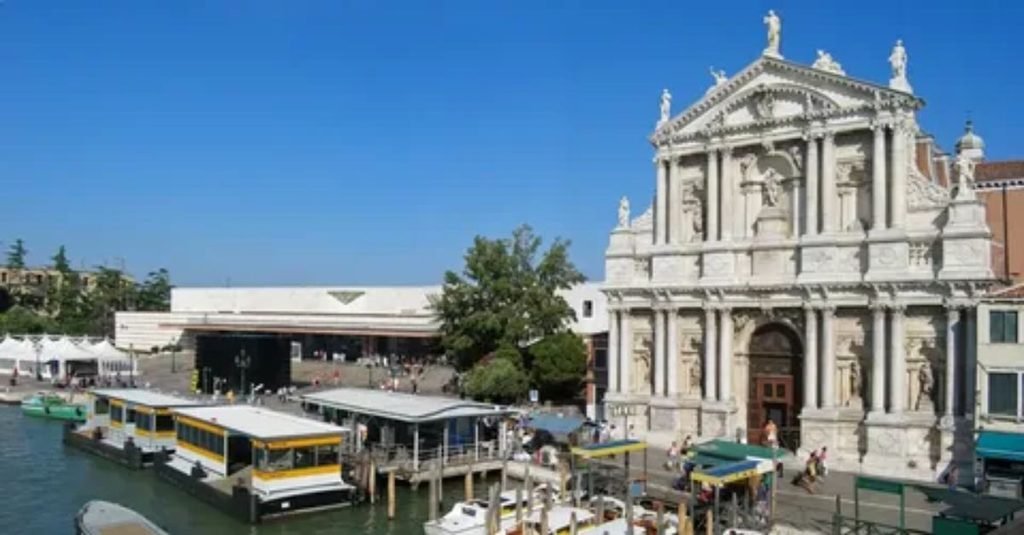
This route connects two major northern Italian destinations. It can be useful for travelers planning a northern Italy itinerary.
Milan to Florence
Travel between Milan and Florence can connect northern Italy with one of the country’s most famous cultural destinations. It is another useful route for a multi-city trip.
How to Buy Train Tickets in Italy
Italy train tickets can generally be purchased through official railway services, ticket machines, station ticket offices, and other authorized booking channels.
When buying a ticket, check the departure city, arrival city, date, time, train number, and station information carefully. Also review whether the ticket is flexible or subject to specific travel conditions.
Some trains require passengers to select a specific service, while local or regional journeys may work differently. Booking requirements can also vary depending on the type of train.
If you are traveling during a busy period, planning your tickets ahead of time can make your journey easier and give you more choices.
Italy Train Travel Tips for First-Time Travelers
First-time visitors can make their journey smoother by following a few simple tips.
Check the Departure Station
Before leaving for the station, confirm the exact station shown on your ticket. Large cities can have more than one railway station.
Arrive With Enough Time
Give yourself enough time to reach the station, find your platform, and organize your luggage. Large stations can be busy and unfamiliar.
Keep Your Ticket Accessible
Keep your digital or printed ticket easy to access. You may need to show it during the journey.
Check the Train Number
Do not rely only on the destination name. Check the train number and departure time to make sure you are boarding the correct service.
Watch the Departure Board
Station departure boards provide important information about platforms, delays, and changes. Check the board before boarding.
Understand Your Train Type
Know whether you are traveling on a regional or high-speed service. This can help you understand the ticket rules and journey expectations.
Keep Luggage Manageable
Traveling with smaller and easier-to-handle luggage can make moving through stations, boarding trains, and reaching your accommodation much easier.
Confirm Your Destination
Before boarding, double-check the destination and train details. This simple step can prevent unnecessary confusion.
Scenic Train Journeys in Italy
Train travel is not only about getting from one city to another. It can also be part of the travel experience.
Depending on the route, passengers may see Italian countryside, rolling hills, mountains, small towns, vineyards, and coastal areas. Some journeys are especially enjoyable when you have a window seat and time to appreciate the changing scenery.
A train journey can also give travelers a different view of Italy. Instead of seeing only famous tourist attractions, you may pass through ordinary neighborhoods, rural areas, and smaller communities.
Is Italy by Train Good for Tourists?
For many tourists, Italy by Train can be a practical option, especially when the itinerary includes several major cities connected by rail.
It can reduce the need to drive long distances and may make it easier to move between city centers. It is particularly useful for travelers who prefer not to rent a car.
However, trains are not always the most convenient choice for every destination. Some remote villages, rural areas, or places with limited railway connections may be easier to reach by car or local transportation.
The best transportation choice depends on your itinerary, destination, budget, luggage, and travel preferences.
Common Mistakes to Avoid When Traveling Italy by Train
A few common mistakes can make a train journey more stressful than necessary.
One mistake is choosing the wrong station. Always check the station name before traveling.
Another mistake is misunderstanding the ticket conditions. Read the information on your ticket and make sure you understand whether you need a specific train or departure.
Carrying too much luggage can also make travel difficult, especially when moving through busy stations or boarding trains.
Some travelers also forget to check the departure board after arriving at the station. Platforms and train information can change, so checking the latest information is important.
Finally, avoid rushing onto a train without confirming its number and destination. Taking a few extra seconds to verify the details can prevent major problems.
FAQs About Italy by Train
1. Is Italy easy to travel by train?
Yes, many popular Italian cities are connected by railway, making train travel a practical option for tourists visiting multiple destinations.
2. What is the best way to travel around Italy by train?
The best approach depends on your itinerary. High-speed trains are useful for major city-to-city journeys, while regional trains can be helpful for shorter routes and smaller destinations.
3. Are trains in Italy comfortable?
Many trains offer comfortable seating and useful onboard facilities. Comfort can vary depending on the train type, service, and travel class.
4. Can you travel between major Italian cities by train?
Yes. Major destinations such as Rome, Florence, Venice, Milan, and Naples can be connected by rail, making them suitable for a multi-city itinerary.
5. Should you book Italy train tickets in advance?
Booking ahead can be useful when you want a particular departure or seating option, especially during busy travel periods. Always check the conditions of your chosen ticket.
Conclusion
Exploring Italy by train can be a convenient and enjoyable way to discover the country’s famous cities, historic destinations, and changing landscapes. High-speed services can connect major cities efficiently, while regional trains can help travelers reach smaller destinations.With some basic planning, careful ticket checking, and attention to station information, train travel can become an important part of your Italian adventure. Whether you visit Rome, Florence, Venice, Milan, Naples, Bologna, or Turin, Italy by Train can help you create a flexible and memorable travel experience.Italy by Train: A Complete Guide to Exploring Italy by Rail
Pingback: Train Vacations Out West: A Complete Guide to Exploring
Pingback: Train Trips Across the United States: A Complete Guide
Pingback: A Train Status: A Complete Guide to Checking Train Schedules
Pingback: Sleeper Train: A Complete Guide to Comfortable