
Train Travel Etiquette is a comfortable and enjoyable way to explore different destinations. Passengers can relax, enjoy beautiful views, read books, or spend quality time with family while traveling. However, trains are shared spaces where people from different backgrounds travel together. Following basic manners helps everyone enjoy a pleasant journey.
Train travel etiquette refers to the rules of polite and respectful behavior that passengers should follow during a train journey. These simple habits include speaking quietly, keeping personal belongings organized, respecting seating arrangements, and maintaining cleanliness. Whether you are traveling for a short distance or taking a long train journey, good manners can make a big difference.
Why Train Travel Etiquette Is Important
Good train manners help create a peaceful environment for everyone. When passengers respect each other’s personal space, avoid unnecessary noise, and follow basic rules, the journey becomes more comfortable. Small actions, such as keeping your voice low or allowing other passengers to exit first, can prevent misunderstandings and unnecessary conflicts.
Train travel etiquette is also important for safety and convenience. Keeping luggage away from doors and aisles allows people to move freely, especially during busy journeys. Respectful behavior makes public transportation more enjoyable and encourages passengers to treat one another with kindness.
Respecting Other Passengers on the Train

Respecting fellow passengers is one of the most important parts of train travel etiquette. Everyone has different travel needs, and some people may want to sleep, read, work, or simply enjoy a quiet journey. Avoid taking up unnecessary space or disturbing people sitting nearby.
Personal space should always be respected, particularly when trains are crowded. Avoid leaning against someone else’s seat, touching their belongings without permission, or placing your feet on shared seating areas. Being thoughtful about other people’s comfort helps create a friendly atmosphere.
Keeping Your Voice at a Reasonable Level
Speaking loudly can disturb passengers who are trying to relax or sleep. Train coaches are shared environments, so conversations should remain at a comfortable volume. If you are traveling with friends or family, enjoy your conversations without shouting or creating unnecessary noise.
Phone conversations should also be kept short and quiet whenever possible. Avoid using speakerphone because it can disturb people sitting around you. If a conversation is important or lengthy, consider moving to an appropriate area where talking is permitted.
Using Mobile Phones and Electronic Devices Politely

Mobile phones, tablets, and laptops are common travel companions. Passengers often use these devices to watch movies, listen to music, play games, or complete work. However, electronic devices should be used responsibly so that other passengers can enjoy their journey without disturbance.
Always use headphones when listening to music, watching videos, or playing games. Keep notification sounds and alarm volumes low. If you are working on a laptop, avoid spreading your belongings across neighboring seats or tables. These small habits demonstrate consideration for everyone.
Following Train Seating Etiquette
Seating etiquette is especially important when traveling on crowded trains. Always check your ticket and sit in the seat assigned to you if the train operates with reserved seating. Avoid occupying someone else’s reserved seat, even if it appears empty at the time.
If you are traveling on a train with shared or unreserved seating, be considerate when choosing a place. Do not occupy multiple seats with your bags when other passengers need somewhere to sit. If someone has accidentally taken your assigned seat, politely explain the situation instead of starting an argument.
Keeping Luggage Organized and Out of the Way
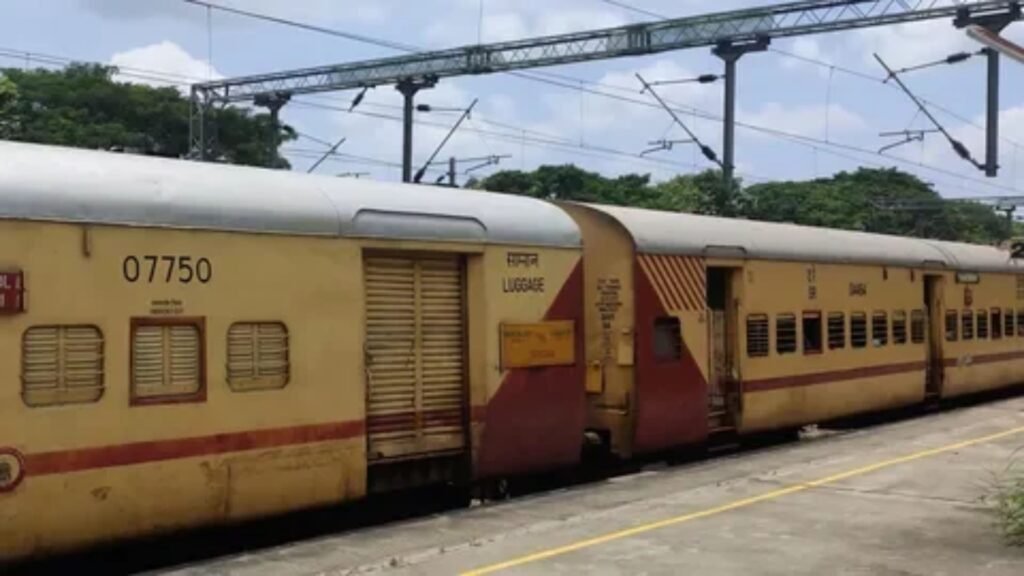
Proper luggage placement helps maintain safety and comfort inside train coaches. Large suitcases should be stored in designated luggage areas whenever available. Smaller bags can be placed in overhead racks or under seats if the train provides enough space.
Avoid placing luggage in aisles, near emergency equipment, or in front of doors. These areas must remain clear so passengers can move safely. Keep valuable belongings close to you and make sure your luggage does not inconvenience people sitting nearby.
Maintaining Cleanliness Inside the Train

Keeping the train clean is everyone’s responsibility. Passengers should avoid throwing food wrappers, bottles, tissues, and other rubbish on the floor or under seats. Use the available waste bins and follow the cleaning rules provided by the train operator.
Shared spaces should be treated with care. Avoid leaving food stains on tables, damaging seats, or making a mess in washrooms. If you accidentally spill something, clean it up when possible or inform train staff. A clean environment makes the journey healthier and more pleasant for everyone.
Train Dining Etiquette and Eating Politely
Eating during a train journey can make long-distance travel more enjoyable. Many passengers bring snacks, sandwiches, fruit, or complete meals from home. However, it is important to choose food carefully and avoid creating unpleasant situations for others.
Try to avoid foods with extremely strong smells, especially in crowded coaches. Keep your food organized, avoid dropping crumbs, and dispose of packaging properly. If you are eating at a shared table, leave enough space for other passengers and clean the area after finishing your meal.
Being Considerate in Quiet Zones
Some train services provide quiet coaches where passengers can relax, read, study, or work without unnecessary noise. These areas usually have specific rules regarding conversations, phone calls, and electronic devices. Passengers should understand and follow the instructions displayed inside these coaches.
Avoid playing music loudly, speaking continuously, or allowing children to make excessive noise in quiet areas. If you need to make a phone call, move to a suitable location where calls are allowed. Respecting quiet zones helps passengers enjoy a peaceful travel experience.
Train Etiquette When Traveling With Children
Traveling with children can be exciting, but parents should prepare for their needs before boarding. Bring snacks, water, toys, books, and other useful items to keep children comfortable during the journey. Planning ahead can reduce boredom and unnecessary disturbances.
Parents should also teach children to respect other passengers and avoid running through train coaches. Encourage them to speak politely, remain seated when appropriate, and keep their surroundings clean. Children do not need to remain completely silent, but their behavior should not create difficulties for other travelers.
Respecting Elderly and Disabled Passengers
Elderly passengers and people with disabilities may need additional support during train journeys. Offering a priority seat to someone who needs it is a thoughtful way to show respect. Many trains also provide designated seating and accessible facilities for passengers with mobility requirements.
If someone appears to need assistance, politely ask before helping them with luggage or other belongings. Never assume that every disabled passenger requires assistance. Respect their independence and follow their instructions. Small acts of kindness can make public transportation more welcoming.
Boarding and Leaving the Train Politely
Boarding and leaving a train requires patience and cooperation. Always allow passengers to exit before entering the coach. Standing directly in front of the doors can block people who are trying to leave and create unnecessary crowding.
Avoid pushing, rushing, or attempting to enter before others have enough space. Keep your ticket and luggage ready before reaching the exit. If the platform is crowded, move carefully and follow station instructions to avoid accidents.
Being Polite With Train Staff
Train staff members help passengers with tickets, seating, luggage, safety information, and other travel needs. Treat conductors, ticket inspectors, cleaners, and station employees with respect. If you have a question or problem, explain it calmly and politely.
Always follow instructions from authorized railway staff, especially during emergencies or unexpected delays. Avoid arguing over minor issues or using disrespectful language. If you experience a serious problem, report it through the official complaint process instead of creating a disturbance inside the train.
Understanding Rules About Photography and Music
Taking pictures during a train journey is a popular way to capture beautiful memories. Passengers often photograph scenic landscapes, railway stations, and interesting views from their windows. However, always be mindful of other people’s privacy when taking photographs.
Avoid photographing strangers without their permission, particularly when taking close-up pictures. Some railway services may also have specific photography restrictions. When listening to music, use headphones and keep the volume at a safe level so you remain aware of announcements and important sounds.
Common Train Travel Etiquette Mistakes to Avoid
Some passengers unintentionally make mistakes that affect other travelers. Playing loud music, speaking loudly on the phone, occupying extra seats, and leaving rubbish behind are common examples. These behaviors can make an otherwise comfortable journey unpleasant.
Another common mistake is blocking train doors or aisles with luggage. Some passengers also ignore reserved seating rules or disturb people who are resting. Being aware of these mistakes and making small improvements can help everyone enjoy a better travel experience.
Tips for Being a Respectful Train Traveler
Good train manners begin before you even board the train. Check your ticket, understand the luggage rules, and arrive at the station with enough time. Preparing in advance helps you avoid rushing and disturbing other passengers.
During the journey, keep your belongings organized, speak politely, and follow the train operator’s instructions. Be patient when dealing with delays or crowded conditions. Most importantly, treat other passengers the way you would like to be treated. These simple habits can make every journey more enjoyable.
Conclusion:
Train travel etiquette is about showing respect, kindness, and consideration toward everyone sharing the same space. Simple actions such as speaking quietly, keeping luggage organized, maintaining cleanliness, and respecting reserved seats can improve the experience for all passengers.
Whether you are traveling alone, with friends, or with family, good manners should always be part of your journey. By following these basic rules, you can become a responsible traveler and help create a more comfortable and welcoming environment on trains.
Frequently Asked Questions (FAQs)
What is proper train travel etiquette?
Proper train travel etiquette includes speaking quietly, respecting personal space, keeping luggage organized, and maintaining cleanliness.
Is it rude to talk on the phone on a train?
No, but loud conversations and speakerphone use can disturb others. Keep calls short and speak quietly.
Should you give up your train seat for elderly passengers?
Yes, offering your seat to elderly passengers or people who need priority seating is a thoughtful gesture.
Is eating food allowed on trains?
Eating is generally allowed on many trains, but passengers should follow railway rules and keep shared areas clean.
What should you avoid doing while traveling by train?
Avoid loud music, blocking aisles, occupying extra seats, littering, and disturbing other passengers.
Pingback: Best Route for Seniors: A Complete Guide