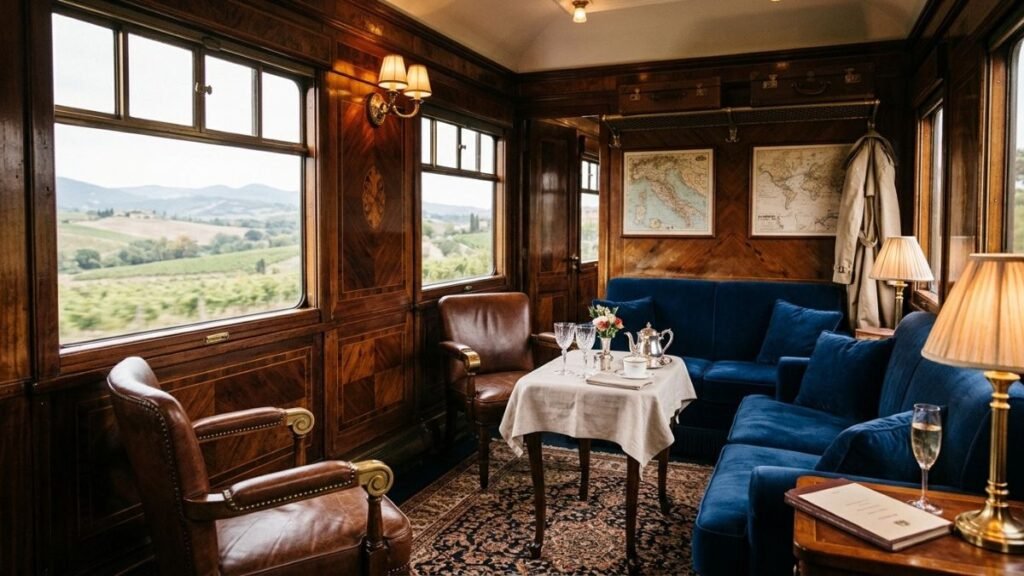
A historic train journey is more than just traveling from one destination to another. It is a special experience that allows passengers to explore the history of railway transportation while enjoying beautiful landscapes and traditional railway experiences. These journeys often feature vintage locomotives, classic railway coaches, historic stations, and routes that have been operating for generations.
Historic train journeys attract tourists, families, couples, and history enthusiasts from different parts of the world. They offer an opportunity to understand how railways changed transportation and connected cities, countries, and communities. Whether traveling through mountains, countryside, or historic towns, these railway adventures provide unforgettable memories.
The History of Railway Travel
Railway transportation played an important role in changing the way people traveled. During the nineteenth century, steam-powered trains became increasingly popular because they could transport passengers and goods over long distances more efficiently than traditional transportation methods. Railways helped connect growing cities and supported industrial development.
As railway networks expanded, trains became an essential part of everyday life. Railway companies introduced comfortable passenger coaches, improved railway stations, and developed routes connecting important destinations. Many of these historic railway developments are still remembered through preserved trains, museums, and heritage railway services.
Why Historic Train Journeys Are Special
Historic train journeys provide a unique combination of transportation, culture, and entertainment. Unlike modern high-speed trains, heritage trains often preserve traditional designs, wooden interiors, classic seating arrangements, and vintage decorations. Passengers can experience an older style of railway travel while learning about the history behind the locomotives and routes.
Another reason these journeys are special is their connection with local heritage. Many historic railway routes pass through beautiful villages, countryside landscapes, mountains, and historic towns. Travelers can enjoy the scenery while discovering how railways influenced the development of different regions.
Famous Historic Train Journeys Around the World
Several historic railway journeys have become famous because of their engineering achievements, cultural importance, and beautiful routes. These trains attract visitors who want to experience traditional railway transportation. Some journeys operate using restored vintage locomotives, while others preserve famous historic railway routes.
Travelers can explore different railway traditions across Europe, Asia, North America, and other regions. Every journey has its own story, architecture, and atmosphere. Exploring these routes provides an interesting way to understand the development of railway transportation around the world.
The Orient Express and Its Historic Legacy
The Orient Express is one of the most famous names in railway history. It began operating in 1883 and became well known for connecting major European destinations. The train developed a reputation for luxury, elegant interiors, comfortable sleeping arrangements, and international travel experiences.
The Orient Express also became an important part of European culture and popular literature. Its historic reputation continues to attract railway enthusiasts and travelers interested in classic luxury transportation. Modern luxury train services inspired by its legacy help preserve the fascination surrounding this famous railway name.
Historic Steam Train Journeys
Steam trains are among the most recognizable symbols of railway history. These locomotives use steam power to move, creating a traditional railway experience that differs from modern electric and diesel trains. Their distinctive appearance, mechanical sounds, and historical designs make them popular attractions for railway enthusiasts.
Many countries preserve steam locomotives through heritage railway organizations and tourist services. Passengers can enjoy traditional coaches, scenic countryside views, and historic railway stations. These journeys also help younger generations understand the technology that played an important role in early railway development.
Historic Train Journeys in Europe
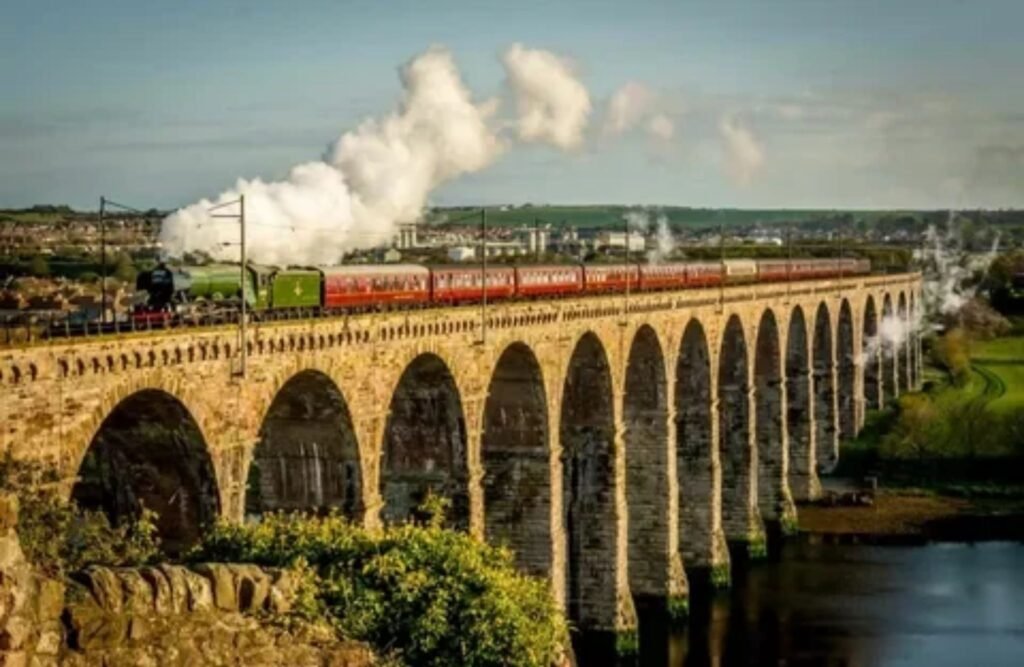
Europe has a rich railway heritage, with many historic routes offering beautiful scenery and traditional travel experiences. Countries such as Switzerland, Germany, France, and the United Kingdom have preserved important railway lines and vintage trains. These routes allow visitors to explore mountain landscapes, historic towns, and traditional railway architecture.
One famous example is the Jacobite Steam Train, which operates between Fort William and Mallaig in Scotland. It is especially popular for its scenic journey through the Scottish Highlands and across the Glenfinnan Viaduct. Its traditional steam locomotive and beautiful surroundings make it a memorable railway experience.
Historic Train Journeys in Asia
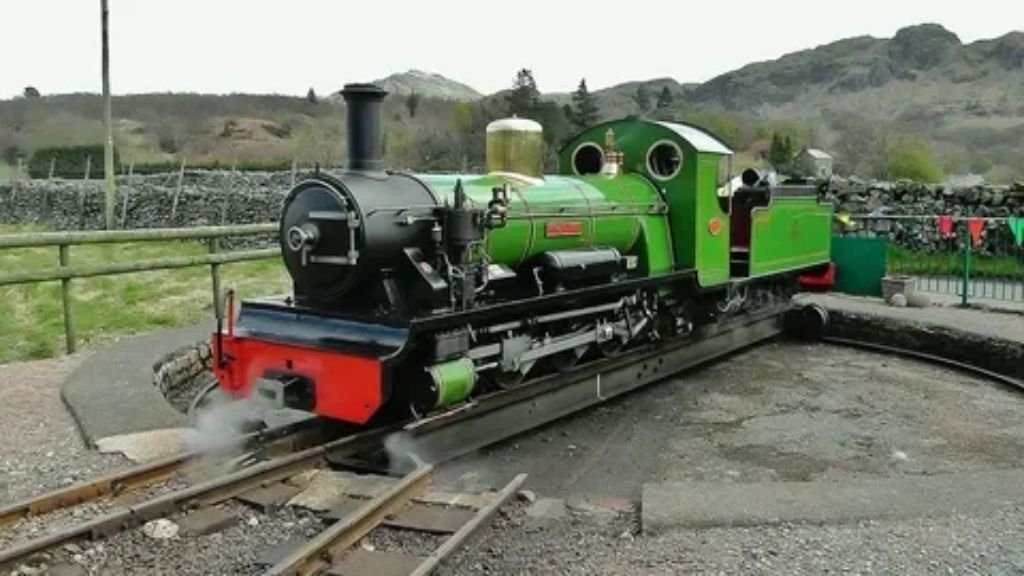
Asia has a fascinating railway history, with several countries preserving historic trains and mountain railway routes. India is particularly well known for its heritage railway experiences, including the Darjeeling Himalayan Railway. This narrow-gauge railway was established in the nineteenth century and is recognized for its important cultural and engineering heritage.
Japan also has a long railway history and offers traditional railway experiences through preserved locomotives, historic stations, and heritage services. Visitors interested in railway history can explore older train designs and learn how rail transportation developed alongside modern technology. These experiences highlight the importance of railways in Asian tourism and economic development.
Historic Train Journeys in North America

North America has several historic railway routes that allow visitors to explore traditional rail transportation. The United States and Canada preserve different heritage railway experiences featuring vintage locomotives, historic stations, and scenic countryside routes. Some trains operate mainly as tourist attractions, while others travel through regions famous for their railway history.
The Durango & Silverton Narrow Gauge Railroad is a well-known example. It operates in Colorado and offers a traditional steam train experience through the beautiful San Juan Mountains. The route provides impressive mountain scenery and gives passengers an opportunity to experience an important part of American railway heritage.
Historic Railway Stations Worth Visiting
Historic railway stations are an important part of railway heritage. Many old stations feature beautiful architectural designs, traditional waiting rooms, large platforms, decorative roofs, and impressive entrances. These buildings often reflect the architectural styles and engineering achievements of the periods in which they were constructed.
Some historic stations have become famous tourist attractions because of their cultural and architectural importance. Visiting these stations allows travelers to explore railway history even without taking a train journey. Many have also been restored to preserve their original appearance and historical value for future generations.
What to Expect During a Historic Train Journey
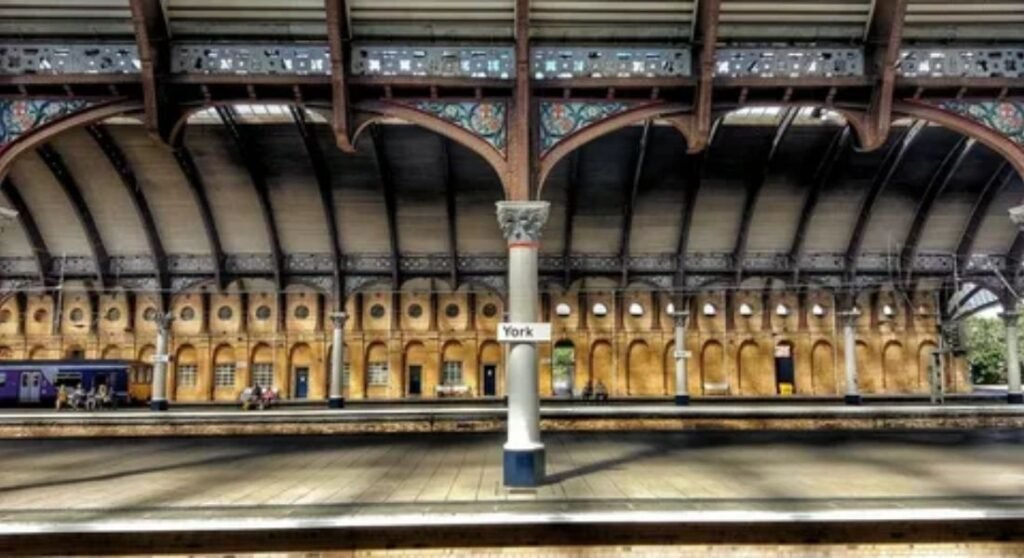
A historic train journey usually provides a different atmosphere from traveling on modern trains. Passengers may find traditional wooden seats, vintage decorations, classic windows, and restored passenger coaches. Some heritage trains also offer dining services and comfortable seating arrangements that recreate the feeling of an earlier railway era.
The journey itself can be just as enjoyable as the destination. Travelers may pass through forests, rivers, mountains, villages, and historic railway bridges. Depending on the railway service, passengers may also learn about the train’s history through onboard information or guided experiences.
The Role of Railway Heritage in Tourism
Historic railways contribute to tourism by attracting visitors interested in culture, engineering, architecture, and transportation history. Many heritage railway routes support nearby communities by bringing tourists to smaller towns and rural destinations. Local businesses, restaurants, hotels, and attractions can benefit from increased visitor activity.
Railway heritage tourism also encourages the preservation of historic locomotives and railway infrastructure. When visitors support these experiences, they help create opportunities for maintaining traditional trains and stations. This makes heritage railways valuable not only for tourism but also for cultural preservation.
Best Time to Experience Historic Train Travel
The best time for a historic train journey depends on the destination, railway route, and local climate. Spring and autumn are popular seasons for many scenic railway journeys because temperatures are often comfortable and natural landscapes can be especially attractive. Travelers may enjoy green countryside, colorful forests, and pleasant weather during these periods.
Summer can also be a good time to explore mountain and countryside railways, although popular services may become crowded. Winter journeys can provide beautiful snowy scenery in suitable destinations, but weather conditions may affect railway operations. Checking seasonal schedules before traveling can help passengers choose the right time.
Tips for Planning a Historic Train Journey
Planning ahead can make a historic railway experience more enjoyable. Travelers should research the railway route, ticket prices, journey duration, departure times, and available facilities before making a reservation. Some heritage trains operate only on selected days or during particular seasons, so checking official schedules is important.
Passengers should also consider weather conditions, luggage requirements, and seating preferences. Booking tickets early is useful for popular heritage services, especially during holidays and busy tourist seasons. Carrying a camera, comfortable clothing, snacks when permitted, and essential travel documents can make the journey more convenient.
Historic Train Journeys for Families and Couples
Historic train journeys can be enjoyable for families because they combine entertainment with educational experiences. Children can learn about steam engines, railway stations, and the development of transportation while enjoying the journey. Parents can introduce them to historical technology in an interesting and memorable way.
Couples may also enjoy these journeys because of their relaxing atmosphere and scenic surroundings. Traveling through beautiful countryside, enjoying traditional railway interiors, and exploring historic destinations together can create special memories. Some luxury heritage trains also provide dining experiences that make the journey more memorable.
Preserving Historic Trains for Future Generations
Preserving historic trains requires regular maintenance, skilled workers, and financial support. Older locomotives and railway coaches need careful restoration because many of their original components are no longer commonly manufactured. Railway preservation organizations often work to protect these important examples of transportation history.
Museums and heritage railway services also play an important role in protecting railway traditions. They allow visitors to learn about older technologies while keeping historic locomotives and equipment accessible. These preservation efforts help ensure that future generations can continue discovering the importance of railway development.
The Future of Historic Railway Travel
Historic railway travel continues to attract people who appreciate traditional transportation and cultural experiences. As modern tourism develops, heritage trains provide an alternative for travelers who prefer slower journeys and meaningful connections with destinations. Many railway organizations are finding new ways to make historic services more comfortable and accessible.
The future of heritage railways will depend on preservation, responsible tourism, and investment in maintenance. Combining traditional railway experiences with modern safety standards can help these services remain attractive. Historic trains are likely to continue playing an important role in tourism and cultural education.
Conclusion
A historic train journey offers a wonderful opportunity to explore railway heritage while enjoying beautiful landscapes and traditional transportation experiences. From the famous Orient Express to steam trains in Scotland, India, and North America, historic railway routes tell fascinating stories about the development of travel and engineering.
These journeys are valuable because they connect the past with the present. They allow travelers to experience traditional locomotives, discover historic stations, and understand how railways influenced different societies. For anyone interested in history, culture, or scenic travel, exploring a historic train journey can become an unforgettable adventure.
Frequently Asked Questions (FAQs)
1. What is a historic train journey?
A historic train journey is a railway experience that uses vintage trains, traditional locomotives, or historically important railway routes to explore railway heritage.
2. Which is the most famous historic train journey in the world?
The Orient Express is one of the world’s most famous historic train services, known for its luxury, European routes, and rich railway history.
3. Where can I experience a historic steam train journey?
You can experience historic steam train journeys in countries such as Scotland, India, the United States, and Switzerland.
4. Are historic train journeys suitable for families?
Yes, historic train journeys are suitable for families because they combine beautiful scenery, entertainment, and educational experiences about railway history.
5. What should I bring on a historic train journey?
You should bring comfortable clothing, a camera, essential travel documents, snacks when permitted, and any personal items needed during the journey.
Pingback: Train Travel Etiquette: A Complete Guide