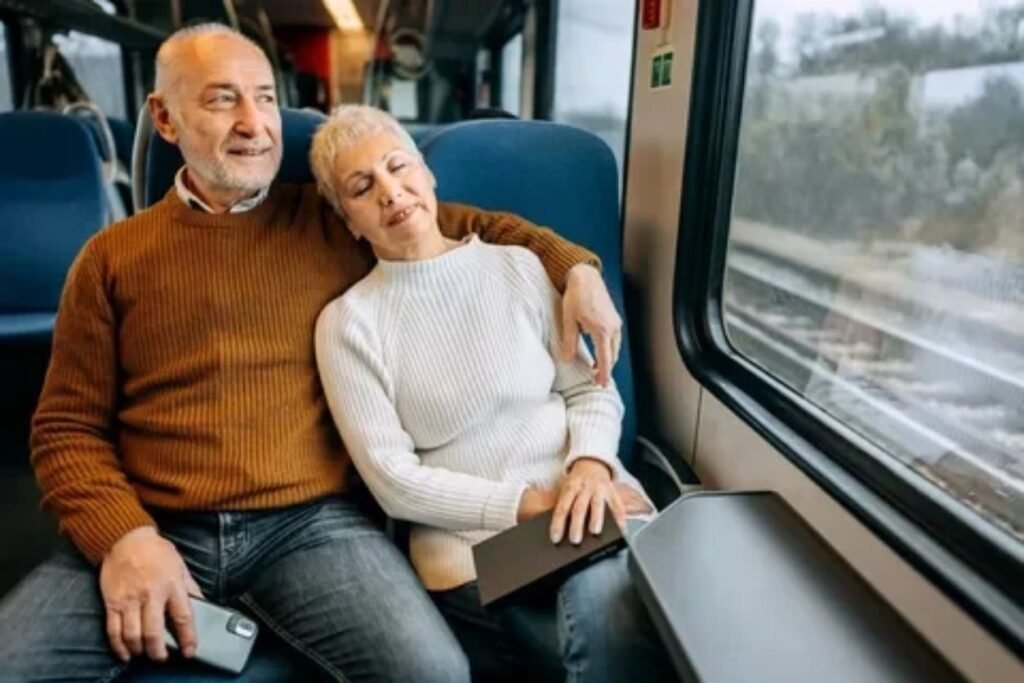
Train travel safety tips can be a wonderful experience for senior citizens. It offers beautiful views, comfortable seating, and an opportunity to explore new destinations without the stress of driving. However, older passengers may need extra care and preparation to enjoy a safe journey.
Following the right senior train travel safety tips can help elderly travelers avoid common problems and feel more confident during their trips. From planning the journey to boarding the train and managing personal belongings, a few simple precautions can make train travel safer, easier, and more enjoyable.
Why Train Travel Safety Is Important for Seniors
As people get older, certain activities such as walking long distances, climbing steps, and carrying heavy luggage can become more challenging. Busy railway stations and crowded train platforms may also create difficulties for senior passengers.
Taking safety precautions helps reduce the risk of falls, injuries, and unexpected travel problems. Proper planning also allows older adults to enjoy their journeys with greater comfort and independence.
Plan Your Train Journey in Advance
Planning is one of the most important steps for a safe train journey. Seniors should research their train schedules, station facilities, travel duration, and available services before leaving home. Choosing a route with fewer transfers can make the journey less stressful.
It is also helpful to book tickets early and confirm important travel details. Keeping a printed or digital copy of the ticket, identification, and emergency contact information can make the entire experience easier.
Choose the Right Train Service
Different train services offer different levels of comfort and accessibility. Seniors should choose trains that provide comfortable seats, clean restrooms, and helpful passenger assistance whenever possible.
Direct trains are often a convenient option because they reduce the need to change platforms or carry luggage between trains. A comfortable train service can make a significant difference during long-distance journeys.
Book a Comfortable and Safe Seat
Selecting the right seat can improve both comfort and safety. Seniors may prefer an aisle seat because it provides easier access to restrooms and allows them to move without disturbing other passengers.
Some older travelers may prefer window seats because they can enjoy the scenery during the journey. However, passengers with mobility difficulties should prioritize easy access and convenient movement when selecting their seats.
Request Special Assistance at the Station

Many railway stations provide assistance for passengers who need extra support. Seniors with mobility difficulties can ask about wheelchair services, boarding assistance, and help with luggage before their departure.
It is better to arrange these services in advance rather than waiting until arrival at the station. Knowing where to receive assistance can reduce confusion and make the journey more comfortable.
Keep Important Documents Safe
Travel documents are essential for every train journey. Seniors should keep their train tickets, identification cards, booking confirmations, and other necessary papers in a secure and easily accessible place.
A small travel wallet or document organizer can help prevent important items from getting lost. Keeping digital copies of essential documents on a mobile phone can also provide additional convenience.
Carry Essential Medicines
Older adults who take regular medication should prepare their medicines before starting their journey. They should pack enough medication for the entire trip, along with a small extra supply in case of unexpected delays.
Medicines should be kept in their original packaging whenever possible. Seniors should also carry a written list of their medications, important medical information, and emergency contact details.
Pack Light and Smart

Carrying heavy luggage can create unnecessary difficulties for senior passengers. It may affect balance, increase physical strain, and make moving through crowded stations more challenging.
Using a lightweight suitcase with wheels can make luggage easier to handle. Essential items such as medication, water, identification, and a mobile phone should be packed in a small personal bag that remains within easy reach.
Arrive at the Railway Station Early
Arriving early gives seniors enough time to find their platform, check departure information, and complete any necessary procedures. Rushing through a crowded station can increase the risk of losing belongings or accidentally falling.
Passengers should allow extra time if they require wheelchair assistance or help with boarding. Reaching the station comfortably before departure makes the experience more relaxed and organized.
Stay Alert on Railway Platforms
Railway platforms can become crowded, especially during busy travel hours. Seniors should stay away from platform edges and stand behind the marked safety lines while waiting for their train.
It is also important to watch for uneven surfaces, luggage, and people moving quickly around the platform. Using handrails where available and walking carefully can help prevent accidents.
Board and Exit the Train Carefully
Getting on and off a train requires extra attention because there may be a gap between the platform and the train. Seniors should avoid rushing and wait until the train has stopped completely before approaching the entrance.
Using available handrails and accepting assistance from railway staff can make boarding safer. When leaving the train, passengers should check their surroundings and step down carefully.
Prevent Slips, Trips, and Falls

Falls are a common safety concern for older adults, particularly in unfamiliar environments. Train floors may become slippery because of spilled drinks, rainwater, or cleaning activities.
Seniors should wear comfortable shoes with non-slip soles and avoid walking too quickly through narrow train corridors. Holding handrails while moving and paying attention to floor conditions can help reduce the risk of falling.
Keep Personal Belongings Secure
Protecting personal belongings is another important part of senior train travel safety. Crowded stations and busy train compartments can create opportunities for luggage theft or accidental loss.
Passengers should keep wallets, mobile phones, passports, and other valuables in secure pockets or a small bag. Large luggage should be placed in designated storage areas while keeping important personal items close.
Stay Hydrated During the Journey
Long train travel safety tips journeys can become uncomfortable when passengers do not drink enough water. Seniors should carry a reusable water bottle and drink regularly throughout the trip.
It is also helpful to avoid excessive amounts of caffeine if it causes discomfort or affects sleep. Drinking enough water and taking regular breaks can support general comfort during travel.
Eat Healthy and Light Meals
Eating balanced meals can help senior passengers maintain their energy during a long journey. Fresh fruits, sandwiches, nuts, and other light snacks are convenient options for travel.
Passengers should avoid eating unfamiliar foods that may cause stomach discomfort. Carrying a few healthy snacks can also be useful when food services are unavailable or train journeys are delayed.
Use Train Restrooms Safely
Train restrooms can sometimes have limited space and slippery floors. Seniors should move slowly when entering or leaving the restroom and use available handrails for support.
It is also helpful to avoid walking to the restroom when the train is moving through rough or uneven sections if balance is a concern. Passengers who need assistance should ask a travel companion or train staff for help.
Safety Tips for Seniors Traveling Alone
Traveling alone can be an enjoyable experience for older adults, but it requires additional preparation. Seniors should share their travel schedule, train number, departure time, and expected arrival time with a trusted family member.
Keeping a mobile phone charged and carrying emergency contact information can provide extra security. Seniors should also avoid sharing personal information with strangers and remain aware of their surroundings throughout the journey.
Stay Connected With Family Members
Staying in contact with family can provide peace of mind during train travel. Seniors can send a message before departure and update their loved ones when they reach important stops or their final destination.
A fully charged phone and a portable power bank can help maintain communication. It is also useful to save important phone numbers so they can be accessed quickly when needed.
Carry a Small First Aid Kit
A small first aid kit can be useful during unexpected travel situations. It may include basic bandages, antiseptic wipes, and other simple supplies that are appropriate for the passenger.
Seniors should also carry any personal medical supplies recommended by their healthcare professional. For serious health problems or injuries, they should contact train staff and seek appropriate medical assistance rather than relying only on a first aid kit.
Be Prepared for Train Emergencies
Unexpected situations such as sudden stops, delays, or medical emergencies can happen during train journeys. Seniors should become familiar with emergency instructions and the location of emergency communication facilities when available.
If an emergency occurs, passengers should remain calm and follow instructions from railway staff. They should avoid moving around unnecessarily and request assistance if they feel unwell or unsafe.
Special Safety Tips for Seniors With Limited Mobility
Older adults who use walking sticks, walkers, or wheelchairs should plan their journeys according to their mobility needs. Checking station accessibility, lift availability, accessible restrooms, and boarding arrangements can help prevent unnecessary difficulties.
It is also important to keep mobility aids within reach and avoid placing them in locations where they may block walkways. Seniors should never hesitate to request assistance when moving between platforms or entering train compartments.
Wear Comfortable Clothing and Shoes
Comfortable clothing can make long train journeys more enjoyable. Seniors should choose loose-fitting outfits that allow easy movement and provide suitable warmth for changing temperatures.
Shoes should have good grip and proper support. Avoiding high heels, slippery footwear, and uncomfortable clothing can help passengers move around more safely.
Tips for Safe Overnight Train Travel
Overnight train journeys require additional attention because passengers may sleep while their belongings are nearby. Seniors should choose a comfortable sleeping arrangement and keep important items within reach.
Before sleeping, they should secure their luggage, keep their phone nearby, and know where to contact train staff if assistance is needed. A light jacket, eye mask, and comfortable travel pillow can also improve sleeping comfort.
Avoid Carrying Too Much Cash
Carrying large amounts of cash can increase the risk of financial loss during travel. Seniors should carry only the amount they reasonably need and use secure payment methods whenever possible.
Money should be divided between safe locations instead of keeping everything in one wallet. Keeping bank cards protected and avoiding displaying valuable items in crowded places can also improve personal security.
Keep Emergency Contacts Easily Accessible
Emergency contact information is especially important for seniors who travel independently. A small card containing the names and phone numbers of family members can be kept inside a wallet or travel bag.
Passengers should also know how to contact railway staff if they need help. Having emergency details ready can save time during unexpected situations.
Common Train Travel Safety Mistakes Seniors Should Avoid
Some common mistakes can make train journeys more difficult for older passengers. These include rushing to board, carrying heavy bags, wearing slippery shoes, ignoring medication schedules, and standing too close to platform edges.
Another mistake is failing to inform family members about travel plans. Avoiding these habits and following basic safety precautions can make train travel more comfortable and secure.
Enjoy Scenic Train Journeys Without Taking Risks

One of the best parts of train travel is enjoying beautiful landscapes, mountains, rivers, and countryside views. Seniors can enjoy these experiences while remaining seated comfortably and keeping their belongings secure.
They should avoid leaning out of train windows or standing near open doors to take photographs. Using a mobile phone or camera from a safe seating position is a better way to capture memorable travel moments.
Conclusions:
Safe train travel for seniors begins with proper preparation and awareness. Choosing comfortable seats, packing essential medicines, arriving early, and requesting assistance when needed can help older adults avoid many common travel problems.By following these senior train travel safety tips, elderly passengers can enjoy more comfortable and relaxing journeys. With a little planning and the right precautions, train travel can remain a wonderful way for seniors to explore new destinations and create unforgettable memories.
Frequently Asked Questions (FAQs)
1. Is train travel safe for senior citizens?
Yes, train travel is generally safe for seniors when they plan ahead, choose comfortable seats, and follow basic safety precautions.
2. What should seniors carry when traveling by train?
Seniors should carry identification, train tickets, essential medicines, water, a mobile phone, emergency contacts, and a small first aid kit.
3. How can elderly passengers prevent falls on trains?
They should wear non-slip shoes, use handrails, walk slowly, and avoid moving around when the train is unstable.
4. Is it safe for seniors to travel alone by train?
Yes, seniors can travel alone by train if they share their travel plans with family, keep their phone charged, and remain aware of their surroundings.
5. How can seniors stay comfortable during long train journeys?
They should wear comfortable clothes, drink enough water, eat light meals, take movement breaks when safe, and keep necessary medicines nearby.
Pingback: Historic Train Journey: Exploring the World's