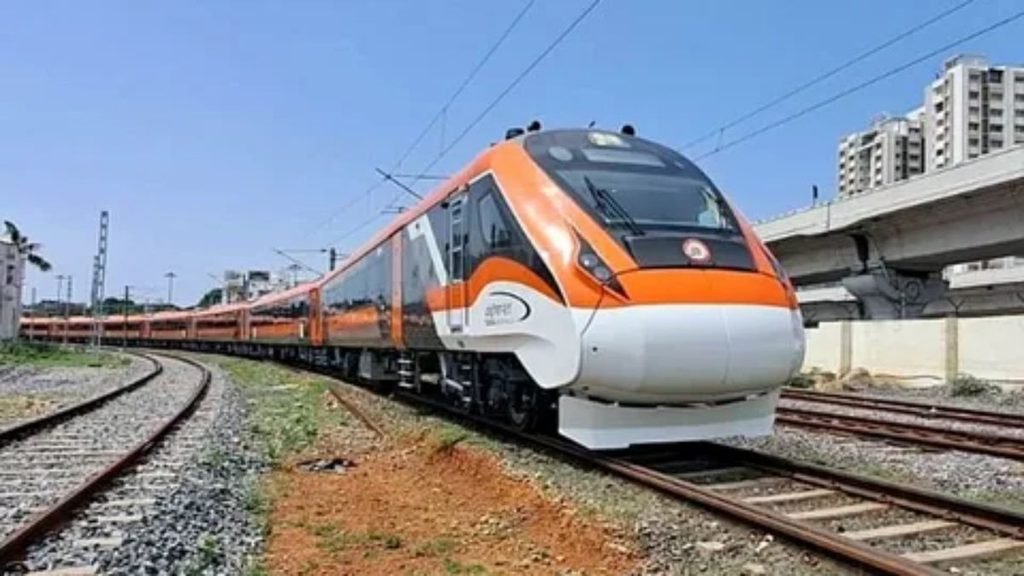
Traveling long distances does not always mean spending hours in a daytime train or booking an expensive hotel for the night. A sleeper train offers another option by allowing passengers to travel overnight while having a place to rest or sleep. For many travelers, this can make a long journey more convenient and memorable.
Sleeper trains are designed for overnight journeys and usually provide beds, berths, sleeping compartments, or private cabins. Depending on the train and route, passengers may have several accommodation options, from simple shared sleeping spaces to more private cabins with additional facilities.
Whether you are planning your first overnight train journey or simply want to understand how sleeper trains work, this guide explains the main types, benefits, costs, packing essentials, and practical tips you should know before traveling.
What Is a Sleeper Train?
A sleeper train is a passenger train designed to travel overnight while providing sleeping accommodation for passengers. Instead of sitting in a standard seat for the entire journey, travelers can reserve a bed, berth, couchette, or private sleeping cabin.
Sleeper trains are commonly used for long-distance journeys where traveling overnight can save passengers valuable daytime hours. A traveler may board in the evening, sleep during the journey, and arrive at the destination the following morning.
The exact setup varies from one railway service to another. Some trains offer basic shared sleeping spaces, while others provide private cabins with beds and additional amenities.
How Does a Sleeper Train Work?
The basic experience is similar to taking a normal train, but the accommodation is designed for sleeping.
After boarding, passengers usually find their assigned seat, compartment, berth, or cabin. Depending on the train, the sleeping area may be prepared before bedtime or converted from seating into beds.
During the night, the train continues traveling toward the destination. Passengers can sleep while the train is moving and wake up closer to their arrival station.
Before booking, it is important to check what is included with the ticket. Some services may include bedding or basic amenities, while others may offer different facilities depending on the accommodation category.
Types of Sleeper Train Accommodation
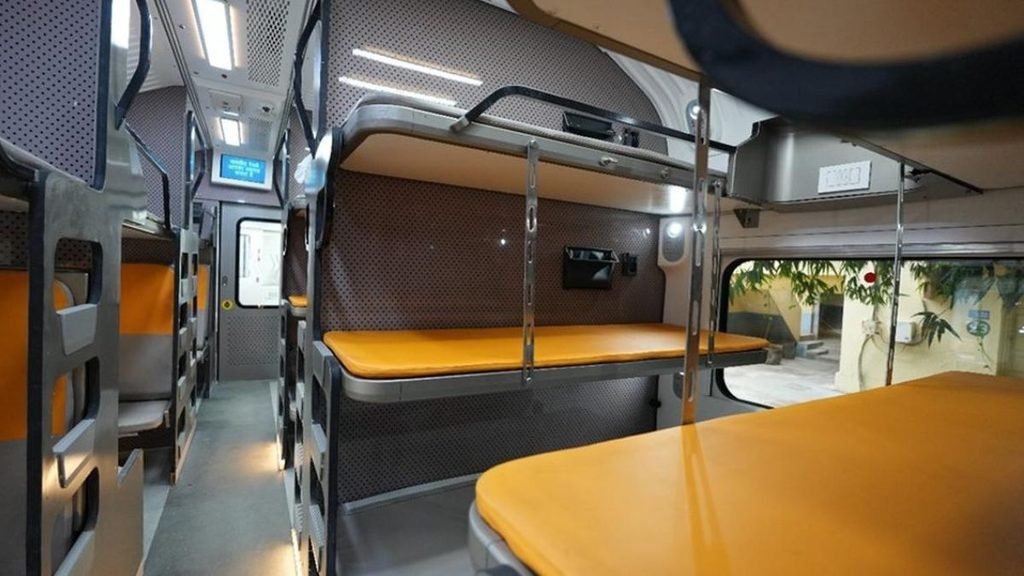
Sleeper trains can have several types of sleeping arrangements. Understanding the differences can help you choose an option that matches your budget and comfort preferences.
Private Sleeper Cabins
Private cabins provide more personal space than shared compartments. Depending on the service, they may contain one or more beds and sometimes additional facilities.
They can be suitable for travelers who prefer privacy or families who want to stay together.
Shared Sleeping Compartments
Shared compartments are designed for multiple passengers. They are generally a practical choice for travelers who want sleeping accommodation without paying for a private room.
The number of passengers and layout can vary by train.
Berths
A berth is a sleeping space provided inside a train compartment. Berths may be arranged in different levels, such as lower, middle, or upper sleeping spaces.
They are common on many overnight rail services and can provide a simple way to rest during a long journey.
Couchettes
Couchettes are shared sleeping compartments that generally contain several bunks. They are often simpler than private sleeper cabins and can be an affordable overnight travel option.
Family Compartments
Some sleeper services provide compartments suitable for families or groups traveling together. These can make overnight journeys easier when several passengers want to stay in the same space.
Premium Sleeper Cabins
Higher-class sleeper accommodation may provide larger beds, greater privacy, better furnishings, or additional services. The features depend entirely on the railway and route.
What Is It Like to Sleep on a Train?

Sleeping on a moving train can feel different from sleeping in a hotel or at home. The movement of the train, sounds from the tracks, station stops, announcements, and other passengers can affect your sleep.
Some travelers enjoy the gentle movement of the train, while others may need time to become comfortable with it.
Temperature can also matter. A light layer of clothing can be useful because conditions inside a train may change during the journey.
Privacy depends on the type of accommodation you book. A private cabin generally offers more personal space, while a shared compartment means traveling alongside other passengers.
If you are a light sleeper, an eye mask and earplugs can make the journey more comfortable.
Benefits of Traveling by Sleeper Train
One of the biggest advantages of a sleeper train is that it combines transportation with overnight accommodation.
Save Daytime Travel Hours
Instead of spending a full day traveling, passengers can travel overnight and use the following day for sightseeing or other activities.
Reduce Hotel Needs
A sleeper train can provide a place to rest while traveling, which may reduce the need for a separate hotel night for that part of the journey.
Arrive in the Morning
Many overnight services are scheduled to arrive in the morning. This can be convenient for travelers who want to begin exploring after arrival.
Experience Scenic Rail Travel
Some sleeper train routes pass through landscapes that can make the journey itself part of the travel experience.
Travel Long Distances
Overnight trains can be useful when destinations are separated by a considerable distance and travelers want an alternative to daytime transportation.
A Different Travel Experience
Sleeping on a train offers an experience that is different from flying, driving, or staying in a traditional hotel.
Sleeper Train vs. Regular Train
A regular daytime train usually focuses on seated travel, while a sleeper train provides accommodation intended for overnight journeys.
| Feature | Sleeper Train | Regular Daytime Train |
|---|---|---|
| Sleeping accommodation | Usually available | Usually not available |
| Overnight travel | Designed for it | May be available on some routes |
| Beds or berths | Available on many services | Usually unavailable |
| Privacy | Depends on cabin type | Usually limited |
| Travel experience | Designed for longer overnight trips | Often focused on daytime travel |
| Cost | Varies by accommodation | Often based mainly on seating class |
Neither option is automatically suitable for every traveler. Your choice depends on your schedule, budget, route, and preferred level of comfort.
What Should You Pack for a Sleeper Train?

Packing the right items can make an overnight journey much easier.
Comfortable clothing: Loose and comfortable clothes can make it easier to rest.
Travel pillow: A small pillow can provide additional support during the journey.
Eye mask: An eye mask can help block unwanted light.
Earplugs: These can be useful if you are sensitive to train sounds or other passengers.
Phone charger and power bank: Keeping your devices charged can be useful during a long journey.
Water bottle: Staying hydrated is important, especially during overnight travel.
Toiletries: Carry basic personal-care items such as a toothbrush, toothpaste, and face wipes.
Snacks: A few easy-to-carry snacks can be useful if you become hungry during the journey.
Important documents: Keep your ticket, identification, and other important travel documents accessible.
Small luggage: Keep essential items in a smaller bag that is easy to access during the journey.
Tips for Your First Sleeper Train Journey
If you have never traveled on a sleeper train before, a little preparation can make the experience smoother.
Choose the Right Accommodation
Look at the available cabin, berth, or couchette options before booking. Consider how much privacy and space you need.
Arrive at the Station Early
Give yourself enough time to find the correct platform, check your train, and board without unnecessary stress.
Keep Important Items Close
Keep your phone, wallet, passport or identification, tickets, and other important belongings somewhere secure and accessible.
Prepare for Temperature Changes
Carry an extra layer so you can adjust to different temperatures during the journey.
Bring Sleep Accessories
An eye mask, earplugs, and a small travel pillow can be particularly helpful if you are unfamiliar with overnight train travel.
Check Your Journey Information
Know your departure station, arrival station, train number, and expected arrival time. This is especially useful when traveling through multiple stations overnight.
Keep Your Ticket Accessible
You may need to show your ticket or travel documents to railway staff, so avoid packing them deep inside your luggage.
Respect Other Passengers
If you are sharing a compartment, keep noise low and be considerate when using lights or moving around at night.
Are Sleeper Trains Comfortable?
Comfort depends on several factors, including the train, accommodation type, bed, compartment size, facilities, and your personal preferences.
A private cabin may provide more privacy than a shared compartment. A spacious sleeping arrangement can also feel more comfortable than a basic berth.
However, sleeping on a moving train can take some getting used to. Train sounds, movement, and other passengers may affect your experience.
Before booking, check the specific accommodation available on your chosen service rather than assuming that every sleeper train offers the same facilities.
Are Sleeper Trains Safe?

Sleeper train safety depends on the railway service, route, accommodation, and normal travel conditions.
Passengers should follow railway instructions and take sensible precautions with personal belongings. Keep valuables secure and avoid leaving important items unattended.
If you are traveling in a private compartment, follow the railway operator’s guidance about securing the compartment. In shared accommodation, remain aware of your belongings and respect the rules of the service.
Families and solo travelers can also benefit from planning their luggage and essential items before boarding.
How Much Does a Sleeper Train Cost?
There is no single price for a sleeper train because fares vary significantly between routes and railway operators.
Several factors can affect the total cost:
- Travel distance
- Destination
- Travel date
- Accommodation type
- Private or shared sleeping space
- Booking time
- Included services
- Ticket class
A basic shared sleeping arrangement may cost less than a private cabin, while premium accommodation can cost more.
When comparing prices, look at what is included rather than comparing the ticket price alone. Bedding, meals, private facilities, or other services may be included on some trains but not others.
Why Try a Sleeper Train?
A sleeper train can be a practical option for travelers who want to make better use of their time.
Instead of spending the entire day traveling, you can board in the evening, rest during the journey, and continue your trip after arriving at your destination.
It can also add something special to the journey itself. Watching landscapes during the day, settling into a sleeping compartment at night, and waking up somewhere new can make rail travel feel like part of the adventure.
For longer trips, the combination of transportation and sleeping accommodation can also be convenient.
Frequently Asked Questions About Sleeper Trains
What is a sleeper train?
A sleeper train is an overnight passenger train that provides sleeping accommodation such as beds, berths, couchettes, or private cabins.
How do you sleep on a sleeper train?
Passengers sleep in the accommodation included with their ticket. Depending on the train, this may be a berth, bunk, couchette, or private sleeping cabin.
Are sleeper trains comfortable?
Comfort varies by train and accommodation type. Private cabins may offer more privacy, while shared arrangements can provide a simpler travel experience.
Do sleeper trains have beds?
Many sleeper trains provide beds or sleeping berths, but the exact arrangement varies. Some services use bunks or couchettes instead of traditional beds.
Can you get a private room on a sleeper train?
Some sleeper trains offer private cabins, but availability depends on the railway, route, and class of service.
Conclusion
A sleeper train can turn a long-distance journey into a more convenient overnight travel experience. With sleeping accommodation, travelers can rest while the train continues toward the destination, potentially saving daytime hours and reducing the need for an additional hotel night.The right choice depends on your route, budget, privacy needs, and preferred level of comfort. Before booking, check the specific sleeping arrangements, facilities, schedule, and ticket conditions.
Pingback: Boston New York Train: A Complete Guide to Traveling by Train Between Boston and New York - travelhopes
Pingback: Train Vacation Packages USA: A Complete Guide to Planning
Pingback: Train Vacations Out West: A Complete Guide to Exploring
Pingback: Train Trips Across the United States: A Complete Guide
Pingback: A Train Status: A Complete Guide to Checking Train Schedules