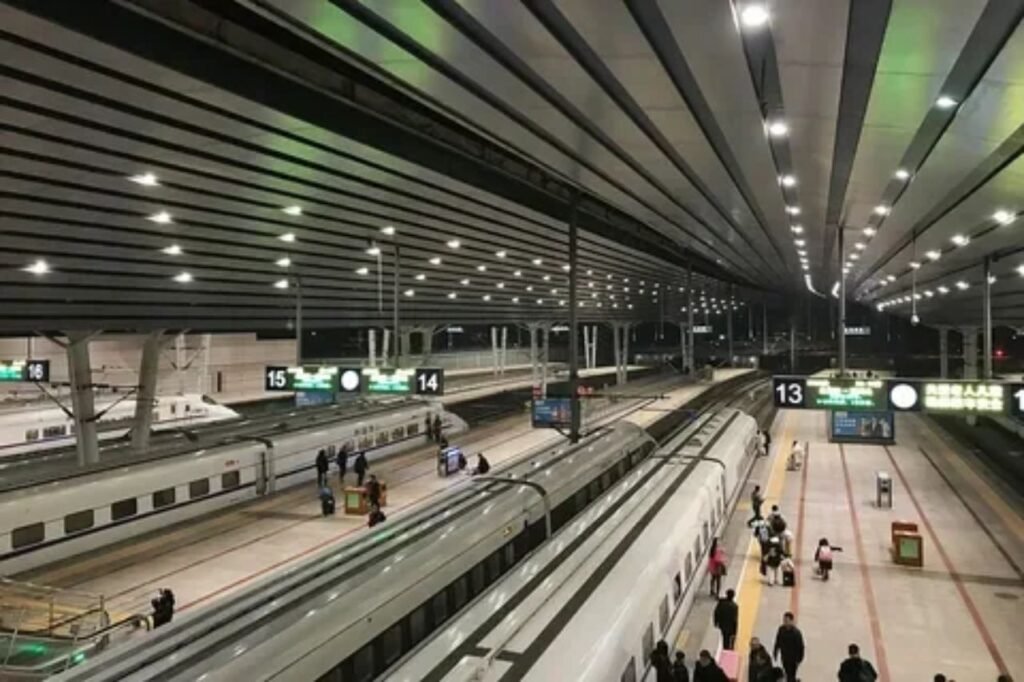
Train travel is one of the most convenient ways to explore different destinations, but not every passenger has the same travel needs. People with disabilities, elderly travelers, wheelchair users, and passengers with limited mobility may face difficulties when using trains. Train travel accessibility helps make railway journeys easier, safer, and more comfortable for everyone.
Accessible train services focus on providing suitable facilities, helpful staff, and convenient transportation options for passengers with different physical and sensory needs. From wheelchair-friendly platforms to clear announcements and accessible restrooms, these facilities can make a significant difference. Understanding train travel accessibility can help passengers prepare for their journeys and enjoy a more comfortable travel experience.
What Is Train Travel Accessibility?
Train travel accessibility refers to the facilities, services, and arrangements that allow passengers with disabilities or additional mobility needs to use railway transportation more easily. These arrangements include accessible station entrances, elevators, ramps, priority seating, wheelchair spaces, and assistance from railway employees. The main purpose is to reduce travel difficulties and give passengers greater independence.
Accessible train travel is not limited to people who use wheelchairs. It also supports elderly passengers, individuals recovering from injuries, people with visual or hearing impairments, and travelers who need additional assistance. When railway systems consider different passenger requirements, more people can enjoy convenient and comfortable journeys.
Why Accessibility Is Important in Train Travel
Accessibility plays an important role in creating equal travel opportunities. Passengers with disabilities should be able to visit family members, attend work, explore new destinations, and enjoy vacations without facing unnecessary transportation barriers. Accessible railway facilities make these activities easier and help passengers travel with greater confidence.
Comfort and safety are also important reasons why train travel accessibility matters. Proper ramps, accessible seating, clear signs, and trained staff can reduce the risk of accidents and unnecessary stress. When railway companies improve accessibility, they create a more welcoming transportation environment for all passengers.
Accessible Train Stations and Facilities
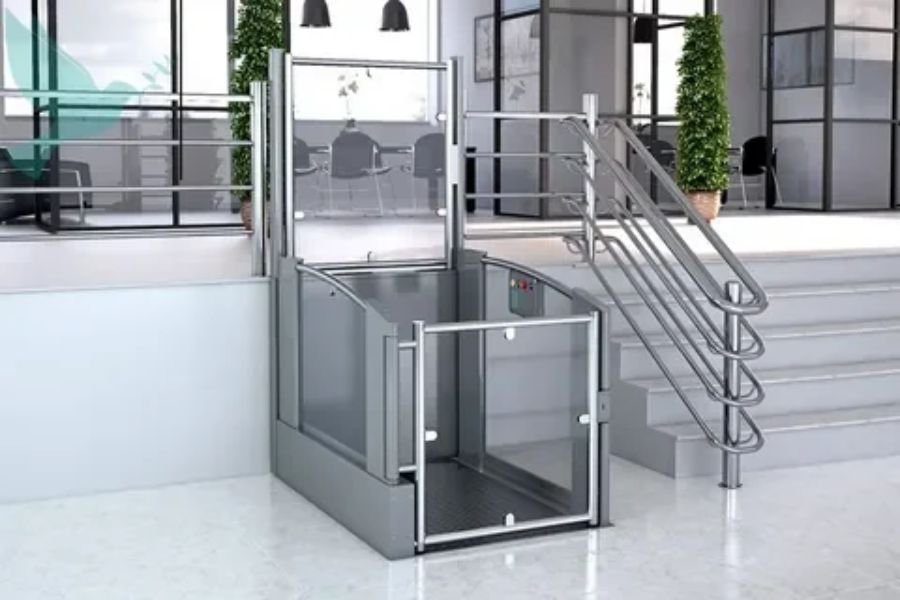
Accessible train stations make it easier for passengers to enter, move around, and reach their platforms. Features such as step-free entrances, elevators, ramps, wide passageways, and accessible ticket counters can help passengers with limited mobility. These facilities are particularly useful for wheelchair users and elderly travelers who may find stairs difficult to manage.
Waiting areas and station restrooms should also consider accessibility requirements. Clearly marked signs, suitable seating, accessible toilets, and convenient pathways improve the overall station experience. Railway operators should regularly inspect these facilities to make sure they remain safe and available when passengers need them.
Wheelchair Accessibility on Trains

Wheelchair accessibility is one of the most important parts of inclusive railway transportation. Many modern trains provide dedicated wheelchair spaces where passengers can remain safely positioned during their journeys. Wider doorways, suitable seating arrangements, and accessible boarding areas can also make train travel more convenient for wheelchair users.
Passengers who use wheelchairs should check the available facilities before booking their tickets. Some trains offer boarding ramps, lifts, and staff assistance to help passengers enter and leave the train. However, accessibility features can vary between railway operators and train services, so checking the details in advance can prevent unexpected difficulties.
Train Travel for Passengers with Limited Mobility
Passengers with limited mobility may experience challenges when walking long distances, climbing stairs, or standing for extended periods. Accessible train services can support these travelers through priority seating, shorter walking routes, elevators, and assistance at stations. These arrangements help reduce physical discomfort and make railway journeys more manageable.
Elderly passengers and people recovering from injuries may also benefit from accessible facilities. Choosing seats near train entrances, avoiding unnecessary luggage, and requesting assistance when needed can improve their experience. A little preparation can make longer journeys more comfortable and less stressful.
Accessibility for Blind and Visually Impaired Passengers
Passengers with visual impairments may need additional support when navigating railway stations and train platforms. Tactile paving, raised lettering, braille signs, and clear walking routes can help them identify important areas. These features make it easier to locate entrances, ticket counters, elevators, and boarding points.
Audio announcements are another important accessibility feature. Information about platform changes, arrival times, departures, and safety instructions should be communicated clearly. Railway employees can also provide guidance when passengers need assistance finding their seats or reaching the correct platform.
Accessibility for Deaf and Hearing-Impaired Passengers
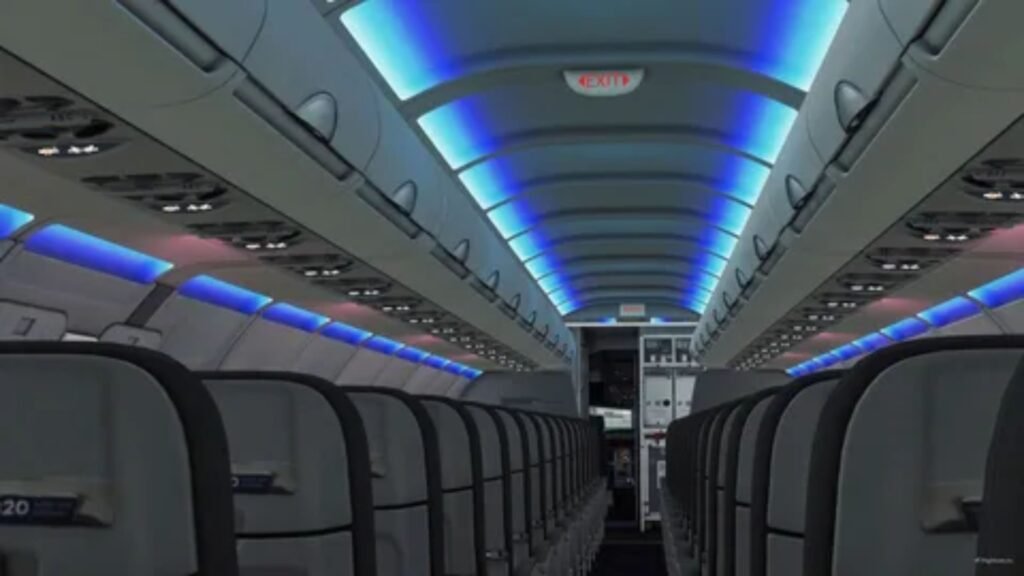
Passengers who are deaf or have hearing difficulties may not be able to understand traditional audio announcements. Digital information screens provide an alternative by displaying departure times, platform numbers, delays, and other important travel updates. These screens should be positioned where passengers can easily see them.
Visual emergency alerts and clear written instructions are also important for passenger safety. Railway employees should be prepared to communicate through written information or other suitable methods when necessary. Providing multiple communication options helps hearing-impaired passengers travel with greater confidence.
Booking Accessible Train Tickets
Booking an accessible train ticket requires some preparation, especially when passengers need specific facilities. Travelers should check whether their selected train offers wheelchair spaces, accessible seating, suitable restrooms, and boarding assistance. Some railway companies provide dedicated booking options for passengers with disabilities.
It is also helpful to contact the railway operator before departure if additional assistance is required. Passengers can ask about station facilities, accessible coaches, available support services, and any special booking arrangements. Making these requests early can help railway staff prepare for a smoother journey.
Boarding and Getting Off the Train Safely
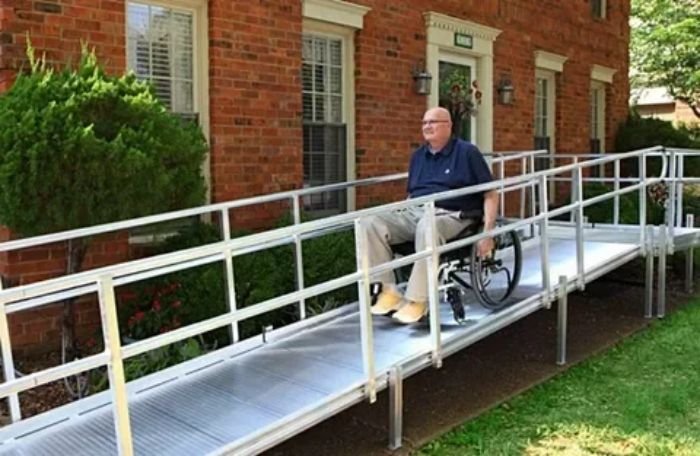
Boarding a train can sometimes be difficult for passengers who use wheelchairs or have limited mobility. Platform gaps, high steps, and narrow entrances may create additional challenges. Boarding ramps, portable lifts, and trained railway employees can help passengers enter the train more safely and comfortably.
Getting off the train also requires proper planning. Passengers should inform railway staff about their destination and any assistance they may need before arrival. Staff members can help coordinate the boarding or exit process, reducing unnecessary delays and making the journey more convenient.
Accessible Facilities Inside Train Coaches
Accessible facilities inside train coaches help passengers enjoy a more comfortable journey. These may include wider doorways, wheelchair spaces, priority seating, accessible restrooms, and suitable handrails. Such features allow passengers with different physical needs to move around the train more easily.
Comfortable seating and sufficient space for mobility equipment are also important. Railway operators should make sure that accessible spaces are properly maintained and not blocked by luggage or other items. Clean and functional facilities can significantly improve the experience of passengers who require additional support.
Train Travel Accessibility for Families and Caregivers
Families and caregivers often play an important role in helping passengers with disabilities travel comfortably. Planning the journey together allows everyone to understand the available facilities, boarding arrangements, and assistance requirements. Choosing a suitable train and booking appropriate seats can make the experience easier for the entire group.
Caregivers should also prepare essential items such as medications, mobility equipment, travel documents, and emergency contact information when relevant. It is useful to allow extra time at stations and communicate special requirements to railway employees. Good preparation can reduce stress and help families enjoy their journeys together.
Common Accessibility Challenges in Train Travel
Despite improvements in railway services, passengers may still experience several accessibility problems. Broken elevators, missing ramps, narrow station entrances, crowded platforms, and inaccessible restrooms can make traveling difficult. These problems may prevent passengers with disabilities from using certain train services independently.
Limited wheelchair spaces and insufficient staff training can create additional difficulties. Sometimes, passengers do not receive clear information about available facilities before booking their tickets. Railway operators need to identify these problems and improve their services through regular maintenance, better communication, and passenger feedback.
Tips for Planning an Accessible Train Journey
Planning ahead is one of the easiest ways to make an accessible train journey more comfortable. Passengers should check station facilities, train layouts, wheelchair spaces, and available assistance services before departure. Booking tickets early can also improve the chances of securing suitable seating and receiving necessary support.
Travelers should arrive at the station with enough time to complete boarding arrangements without rushing. Keeping important documents accessible, carrying manageable luggage, and informing railway staff about specific requirements can also help. These simple steps can reduce confusion and make the entire journey more enjoyable.
The Future of Train Travel Accessibility

The future of train travel accessibility is closely connected to modern railway technology and inclusive transportation planning. Newer trains and upgraded stations can provide improved boarding systems, automated announcements, digital information screens, and better-designed passenger spaces. These developments can make railway services more convenient for people with different accessibility requirements.
Railway companies are also becoming more aware of the importance of designing transportation systems for everyone. Continued investment in accessible infrastructure, staff training, and passenger support can help remove unnecessary travel barriers. With consistent improvements, train travel can become a more inclusive option for millions of passengers around the world.
Conclusion
Train travel accessibility is essential for creating a comfortable, safe, and inclusive transportation system. Accessible stations, wheelchair-friendly trains, clear announcements, priority seating, and helpful staff can make railway journeys easier for passengers with different needs. These facilities also support elderly travelers, families, and people who require temporary assistance.Planning ahead and checking available railway facilities can help passengers enjoy a smoother travel experience.
Frequently Asked Questions About Train Travel Accessibility
What Does Train Travel Accessibility Mean?
Train travel accessibility means providing facilities and services that help passengers with disabilities, elderly travelers, and people with limited mobility use trains comfortably and safely.
Are Trains Wheelchair Accessible?
Many modern trains offer wheelchair spaces, accessible restrooms, wider entrances, and boarding assistance. However, facilities vary depending on the railway operator and train.
How Can Disabled Passengers Get Assistance at Train Stations?
Passengers can contact railway staff or request assistance when booking tickets. Services may include help with luggage, boarding ramps, platform access, and reaching their seats.
Can Blind Passengers Travel Safely by Train?
Yes, blind and visually impaired passengers can travel using facilities such as tactile paving, braille signs, audio announcements, and assistance from trained railway employees.
Do Trains Have Accessible Restrooms?
Some modern trains provide accessible restrooms with additional space and suitable support features. Passengers should check availability before booking.
Pingback: Train Travel for Seniors: A Complete Guide
Pingback: Solo Train Travel: A Complete Guide