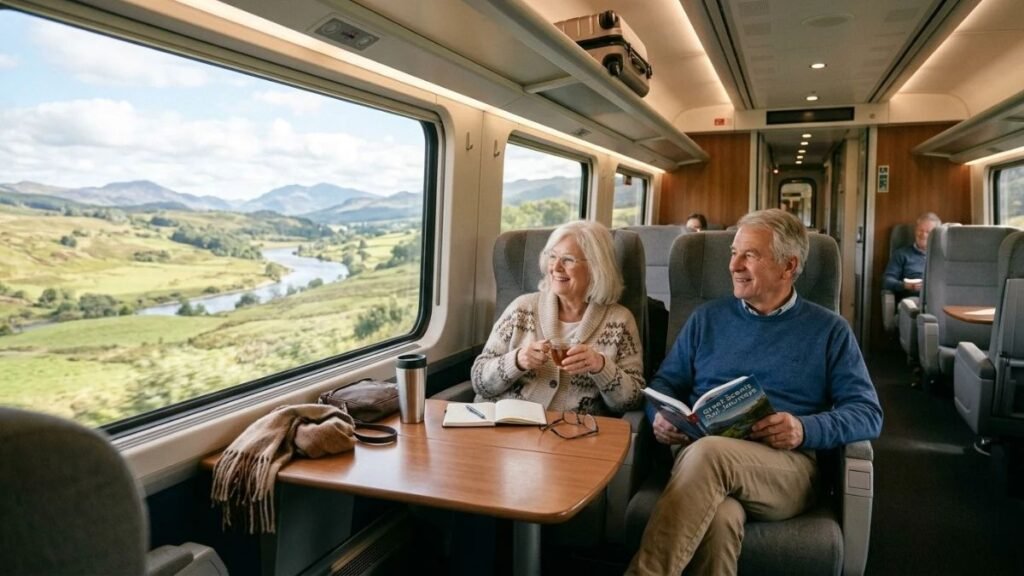
Choosing the best route for seniors is an important part of planning a comfortable and enjoyable journey. Older adults often prefer travel routes that offer convenient stations, comfortable seating, fewer transfers, and easy access to essential facilities. A well-planned route can make traveling less stressful and allow seniors to enjoy the journey without unnecessary difficulties.
Train travel is a popular option for many senior travelers because it provides an opportunity to relax, enjoy beautiful scenery, and move between destinations without spending long hours driving. However, not every route offers the same level of comfort and accessibility. Understanding what makes a route suitable for older adults can help travelers make better decisions.
Why Choosing the Best Route for Seniors Matters

Choosing a suitable route can make a significant difference in the overall travel experience of older adults. Long journeys with multiple transfers, crowded stations, and limited facilities may become tiring. A senior-friendly route should provide enough time for boarding, comfortable travel conditions, and convenient access to important services.
A good route also helps seniors enjoy their journey with greater confidence. When stations are easy to navigate and trains provide comfortable seating, travelers can focus more on the experience instead of worrying about travel difficulties. Proper route planning can make both short and long-distance journeys more enjoyable.
Important Factors Seniors Should Consider Before Choosing a Route
Before selecting a travel route, seniors should consider the total journey time, station accessibility, seating arrangements, and availability of restrooms. Routes with fewer transfers are often more convenient because passengers do not need to repeatedly carry their luggage or move between platforms. Direct services can be especially helpful for older adults who prefer a simple travel experience.
Another important factor is the availability of assistance at stations and onboard trains. Some railway services provide wheelchair assistance, priority seating, accessible restrooms, and staff support. Checking these facilities before booking can help seniors choose a route that matches their personal needs and comfort preferences.
Best Train Routes for Senior Travelers
The best train routes for senior travelers are generally those that offer comfortable seating, reliable services, convenient stations, and fewer changes. Direct routes between major cities can be a good choice because they reduce the effort required during the journey. Seniors should also consider trains with spacious seating areas and convenient boarding arrangements.
Popular railway journeys can provide a relaxing way to explore different destinations. For example, routes connecting major cities in the United States, Canada, and Europe offer opportunities to experience different landscapes while traveling comfortably. However, seniors should always check the current timetable, accessibility services, and journey conditions before choosing a particular route.
Best Scenic Routes for Seniors
Scenic train routes are an excellent option for older adults who enjoy beautiful landscapes and relaxing journeys. These routes allow passengers to see mountains, lakes, forests, rivers, and countryside views from their seats. Seniors can enjoy sightseeing without needing to walk long distances or change locations frequently.
Some well-known scenic journeys include the Canadian Rockies by train, Switzerland’s Glacier Express, and the West Highland Line in Scotland. These journeys offer memorable views and a different way to explore beautiful destinations. Seniors should check journey duration, seating options, and available facilities before selecting a scenic railway experience.
Best Comfortable Routes for Long-Distance Travel
Long-distance train journeys can be enjoyable for seniors when the route provides comfortable seating, suitable rest facilities, and enough opportunities to relax. Overnight trains may also be useful for certain journeys because they allow passengers to travel while resting. However, the availability of sleeping accommodation and onboard services varies between railway operators.
When planning a long-distance journey, seniors should compare direct trains with routes that require multiple connections. A slightly longer direct journey may be more comfortable than a shorter trip involving several transfers. Choosing a suitable departure time and booking comfortable seating can also improve the overall experience.
Best Short-Distance Routes for Older Adults
Short-distance train routes are often a practical choice for seniors who prefer simple and less tiring journeys. Traveling between nearby cities or towns can provide an enjoyable experience without requiring a full day on the train. These routes may also be suitable for weekend trips and short sightseeing visits.
Seniors should look for services with convenient departure times and easily accessible stations. Traveling during less crowded periods can make boarding and finding seats easier. Short journeys also provide opportunities to explore new places while keeping travel arrangements simple and manageable.
How to Choose Routes With Fewer Transfers
Choosing a route with fewer transfers can make train travel much easier for older adults. Every connection may require passengers to leave one train, find another platform, and manage their luggage. This process can become tiring, especially when stations are crowded or the connection time is limited.
Direct trains are often the simplest option for seniors. If a direct service is unavailable, travelers should choose connections with enough transfer time. Checking platform information in advance and asking railway staff for assistance can also reduce confusion and make the journey more comfortable.
Routes With Easy Station Access and Facilities

Station accessibility is an important consideration when choosing the best route for seniors. Large railway stations can sometimes be difficult to navigate because of long corridors, stairs, and busy platforms. Stations with elevators, ramps, clear signs, accessible restrooms, and seating areas can provide a more convenient experience.
Before booking a journey, seniors should check whether the departure and arrival stations offer suitable facilities. Some railway operators provide assistance for passengers who need help reaching platforms or boarding trains. Confirming these services in advance can help avoid unexpected difficulties during travel.
Best Routes for Seniors With Mobility Challenges
Seniors with mobility challenges should choose routes that provide accessible platforms, step-free access, and suitable boarding arrangements. Trains with wheelchair spaces, priority seating, and accessible restrooms can make traveling more manageable. It is also important to check whether assistance is available at both departure and arrival stations.
Travelers who use walking aids or wheelchairs should contact the railway operator before their journey. Some services require advance arrangements for wheelchair assistance or special seating. Choosing a route with fewer transfers and accessible stations can reduce physical effort and make the experience more comfortable.
How Weather and Travel Time Affect Senior Travelers
Weather conditions can influence how comfortable a train journey feels. Extremely hot or cold weather may make traveling more challenging, particularly when passengers need to wait outside or move between stations. Seniors should consider seasonal conditions when selecting travel dates and destinations.
Travel time is equally important when planning a suitable route. Early morning or late-night departures may not be convenient for everyone. Choosing a departure time that matches personal routines can help seniors feel more relaxed. It is also useful to check expected delays and leave enough time for reaching the station before departure.
Tips for Planning a Comfortable Senior Travel Route

Good preparation can make a senior travel experience much easier. Travelers should compare available routes, check station facilities, and choose seats that provide suitable comfort. Booking tickets early may also provide more choices when selecting preferred seating arrangements.
Seniors should keep essential belongings, medications, travel documents, and emergency contact information easily accessible. Carrying manageable luggage can reduce physical effort during boarding and transfers. It is also helpful to keep a copy of the travel schedule and important railway contact details.
Common Route Planning Mistakes Seniors Should Avoid
One common mistake is choosing a route only because it offers the shortest travel time. A faster journey may involve multiple transfers, crowded stations, or limited boarding assistance. Seniors should compare the overall convenience of different routes instead of focusing only on travel duration.
Another mistake is not checking accessibility facilities before booking. Travelers may discover too late that a station has stairs, limited assistance, or inconvenient platform arrangements. Checking these details in advance can prevent unnecessary stress. Seniors should also avoid carrying too much luggage or planning extremely tight connections.
How to Prepare Before Starting a Senior Train Journey
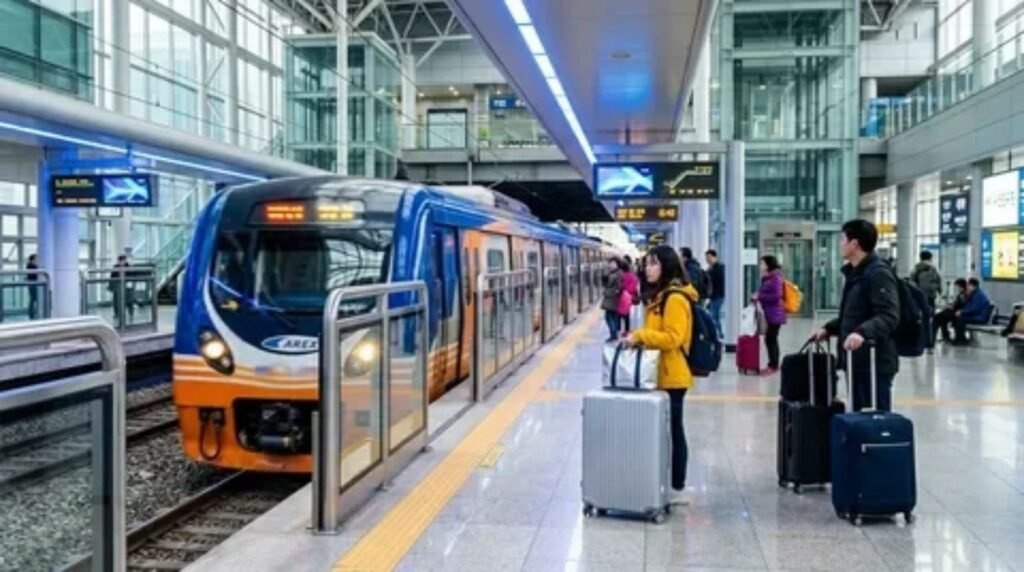
Preparing before departure helps seniors feel more confident and organized. Travelers should confirm their ticket details, departure platform, train schedule, and station location. Arriving at the station early provides enough time to find the correct platform and receive assistance if necessary.
Comfortable clothing and suitable footwear can also improve the journey. Seniors should carry drinking water, light snacks, and any personal items they may need during travel. Keeping luggage organized and important documents within easy reach can make boarding and arriving at the destination much easier.
Conclusion
Finding the best route for seniors involves more than selecting a destination or comparing travel times. Comfortable seating, accessible stations, fewer transfers, reliable services, and convenient departure times all contribute to a better travel experience. The right route can make train journeys easier, safer, and more enjoyable for older adults.Whether seniors prefer short trips, long-distance journeys, or scenic railway adventures, careful planning can help them travel with greater confidence.
Frequently Asked Questions
What is the best route for seniors?
The best route for seniors is generally a direct train journey with comfortable seating, accessible stations, and convenient facilities.
Are direct train routes better for older adults?
Yes, direct routes can reduce the need for changing trains, carrying luggage between platforms, and managing tight connections.
Which train routes are best for senior sightseeing?
Scenic routes such as the Glacier Express in Switzerland and Canadian Rockies railway journeys offer beautiful views and memorable experiences.
How can seniors find accessible train routes?
Seniors can check railway websites for wheelchair access, elevators, ramps, accessible restrooms, and passenger assistance services.
What should seniors consider before booking a train journey?
They should consider journey duration, seating comfort, station accessibility, transfer times, luggage requirements, and available assistance.
Pingback: Train Travel During Holidays: A Complete Guide - travelhopes