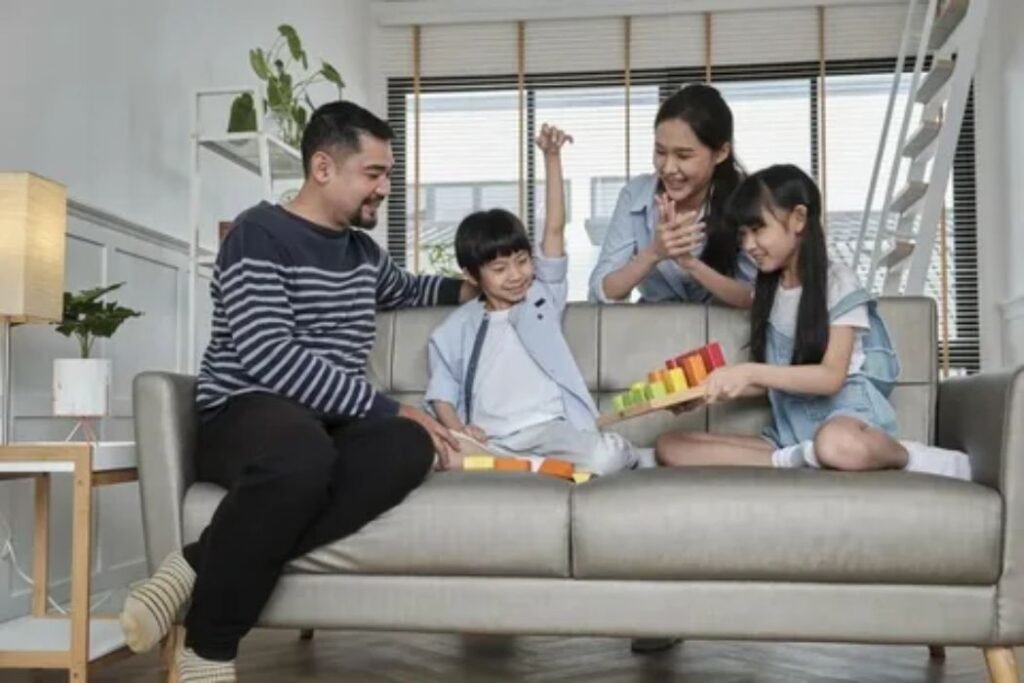
Long train rides with children can be a wonderful family experience, offering beautiful views, exciting adventures, and quality time together. Unlike other forms of transportation, trains provide more space to move around, comfortable seating options, and opportunities to explore different landscapes along the way. Children can enjoy watching passing scenery, discovering new places, and spending time with their parents.
However, traveling for several hours with children also requires careful planning. Parents need to think about food, entertainment, sleeping arrangements, safety, and comfort throughout the journey. With the right preparation, even a long train trip can become a relaxing and memorable family adventure. This guide shares practical tips to help parents make train journeys easier and more enjoyable for children of different ages.
Why Choose Train Travel for Long Family Journeys?
Train travel is a convenient option for families because Long Train Rides with Children it often provides more freedom than traveling by car or airplane. Children can enjoy looking through large windows, watching beautiful landscapes, and observing different stations along the route. Parents can also spend time with their children without concentrating on driving.
Another advantage is the availability of different seating and sleeping options on many trains. Families can choose seats together, reserve sleeping compartments where available, and enjoy meals during the journey. These features can make long-distance train travel more comfortable for parents and children.
Planning Your Train Journey in Advance
Planning is one of the most important steps when organizing long train rides with children. Parents should research train schedules, journey duration, available facilities, and ticket prices before booking. Choosing a suitable departure time can help families avoid unnecessary stress and make the journey easier for younger children.
It is also helpful to check whether the train offers family seating, restrooms, food services, luggage storage, and sleeping facilities. Understanding these arrangements beforehand allows parents to prepare properly. Booking tickets early may also increase the chances of finding seats together.
Choosing the Best Trainfor Children
Not every train provides the same level of comfort and convenience. Some long-distance trains offer spacious seating, dining areas, family compartments, Long Train Rides with Children and entertainment facilities. Parents should compare available services before selecting a train for their journey.
A train with comfortable seats, clean restrooms, and sufficient space can make a significant difference. Families traveling overnight may prefer trains with sleeping compartments. Choosing the right train helps children feel relaxed and gives parents more opportunities to enjoy the journey.
Preparing Children Before the Journey
Preparing children before departure can help reduce nervousness and excitement. Parents should explain how the journey will take, what they may see along the way, and how train travel works. Younger children may enjoy looking at pictures of trains or watching educational videos about railway journeys.
It is also useful to discuss simple travel rules before leaving home. Children should understand that they need to stay close to their parents, avoid running through train aisles, and follow safety instructions. When children know what to expect, they are more likely to cooperate during the trip.
Packing Essential Items for Long Rides

Packing the right items can make long train journeys much easier for families. Parents should prepare a separate travel bag containing children’s everyday essentials. This bag should be easy to access so that important items are available whenever needed.
Some useful items include extra clothes, tissues, wet wipes, hand sanitizer, diapers for younger children, small toys, snacks, water bottles, and personal hygiene products. Keeping these essentials organized can save time and prevent unnecessary inconvenience during the journey.
Important Items to Carry
- Comfortable clothing and extra outfits
- Small toys, coloring books, and storybooks
- Water bottles and healthy snacks
- Wet wipes and tissues
- Necessary medicines and basic first-aid supplies
- Blankets and small travel pillows
- Chargers and headphones
Keeping Children Entertained During the Journey
Entertainment is especially important when children spend several hours sitting on a train. Without interesting activities, they may quickly become bored or restless. Parents should prepare different entertainment options to keep children busy throughout the journey.
Coloring books, puzzles, picture books, simple card games, and small toys can provide hours of enjoyment. Parents can also encourage children to look outside the window and identify mountains, rivers, animals, buildings, and other interesting things. These activities make traveling more educational and exciting.
Bringing Digital Entertainment for Children
Digital devices can be helpful during long train journeys, especially when children need quiet entertainment. Parents can download cartoons, educational videos, audiobooks, and child-friendly games before leaving home. Downloading content in advance is important because internet connections may not always be reliable during train travel.
However, children should not spend the entire journey looking at screens. Parents can balance screen time with reading, drawing, conversations, and simple travel games. Taking occasional breaks from devices can also help children remain comfortable and engaged.
Selecting Comfortable Seats for the Family
Comfortable seating plays an important role in making long train rides enjoyable. Parents should try to reserve seats together so that children can remain close to their family members. Sitting together also makes it easier to supervise younger children and share food or entertainment.
When booking tickets, families should consider legroom, window access, seat arrangements, and the availability of nearby restrooms. If possible, selecting seats away from particularly busy areas may provide a quieter environment for children who need rest.
Planning Meals and Snacks for Children
Food is another important consideration during long-distance train travel. Children may become hungry at unexpected times, so parents should carry enough snacks for the journey. Healthy and easy-to-eat options can help keep children satisfied without creating unnecessary mess.
Fruits, sandwiches, crackers, biscuits, and other familiar foods are useful choices. Parents should also carry drinking water and encourage children to stay hydrated. If the train provides dining services, checking the menu beforehand can help families understand what food options are available.
Managing Sleep During Long Train Journeys
Children may become tired during long journeys, especially when traveling overnight. Parents should create a comfortable environment where children can relax and sleep when needed. Travel pillows, lightweight blankets, and familiar comfort items can help younger children feel more secure.
Families traveling on overnight trains should check whether sleeping arrangements are available and suitable for their needs. Maintaining a familiar bedtime routine, such as reading a short story or listening to calming music, may also help children fall asleep more easily.
Keeping Younger Children Comfortable

Toddlers and preschoolers often need additional attention during long train rides. They may find it difficult to remain seated for extended periods and can become uncomfortable when their normal routines change. Parents should carry familiar toys, favorite snacks, extra clothing, and other items that make children feel at home.
It is also important to allow younger children to stretch and move safely when permitted. Parents can spend time talking, playing simple games, or reading picture books with them. Regular attention and patience can make the experience more comfortable for both children and adults.
Making Train Stops More Enjoyable
Some long-distance trains stop at different stations along the route. These stops can provide opportunities for children to relax and experience something new. Parents can explain the station environment, show children different trains, and allow them to observe railway activities from a safe location.
However, families should always pay attention to departure announcements and boarding times. Children should never walk away from their parents at stations. Staying together and returning to the train early can help prevent unnecessary problems.
Teaching Children Basic Train rides Safety
Safety should always remain a priority during family train travel. Parents should explain that children must never lean out of windows, play near train doors, or run through crowded aisles. Younger children should remain under adult supervision throughout the journey.
Parents should also teach children to recognize their seats, remember a parent’s contact information when age-appropriate, and ask a trusted railway employee for help if they become separated. Keeping luggage organized and securing valuable belongings can provide additional peace of mind.
Handling Boredom and Restlessness
Even with proper planning, children may become bored during a long train journey. Parents should avoid relying on only one activity because children can quickly lose interest. Changing activities throughout the trip can help maintain their attention and create a more enjoyable experience.
Simple games such as counting passing trains, spotting different animals, guessing destinations, and playing word games can keep children entertained. Parents can also encourage children to maintain a small travel journal where they draw pictures or write about interesting things they see.
Maintaining Children’s Daily Routine
Long train rides can sometimes disturb children’s regular eating, sleeping, and activity schedules. Maintaining familiar routines as much as possible can help children feel comfortable. Parents should try to provide meals and rest periods at approximately their usual times.
For younger children, familiar bedtime habits and regular snack breaks can make a noticeable difference. Although the journey may require some flexibility, maintaining a basic routine can reduce tiredness and help prevent unnecessary frustration.
Managing Unexpected Situations During Travel

Unexpected situations can happen during any long journey. Train delays, changes in weather, crowded stations, or unavailable food options may create difficulties for families. Parents should remain calm and prepare alternative arrangements whenever possible.
Carrying extra snacks, additional clothing, essential medicines, and some emergency supplies can help families handle minor problems. Parents should also keep important travel information and railway contact details accessible. Being prepared makes it easier to manage unexpected changes without disturbing children too much.
Making the Journey Educational for Children
A long train journey can provide excellent learning opportunities. Children can observe different landscapes, buildings, bridges, rivers, and railway stations. Parents can explain interesting facts about geography, transportation, and the places they pass along the route.
Older children can use the journey to improve their reading and writing skills by keeping travel notes or researching destinations. Younger children can learn by identifying colors, shapes, animals, and different objects outside the window. These activities make the journey both entertaining and educational.
Common Mistakes Parents Should Avoid
One common mistake is packing too many unnecessary items while forgetting important essentials. Parents should focus on useful belongings and organize them properly before departure. Carrying an oversized amount of luggage can make moving through stations and train compartments more difficult.
Another mistake is not planning enough activities for children. Relying entirely on mobile phones or expecting children to remain quiet for several hours can create frustration. A balanced combination of entertainment, food, rest, and family interaction can make the experience much smoother.
Tips for a Stress-Free Family Train Experience
A successful family train journey depends on preparation, flexibility, and patience. Parents should arrive at the station early, keep tickets accessible, organize luggage, and make sure children understand basic travel rules. These simple steps can reduce last-minute stress.
Families should also remember that children may become tired, excited, or emotional during long journeys. Instead of expecting everything to go perfectly, parents should remain flexible and respond calmly to their children’s needs. Enjoying small moments together can make the experience more meaningful.
Frequently Asked Questions About Long Train Rides with Children
1. How can I keep children busy during a long train ride?
Parents can bring coloring books, puzzles, storybooks, toys, and downloaded videos. Looking outside the window and playing simple family games can also keep children entertained.
2. What should I pack for children on a long train journey?
Pack extra clothes, snacks, water, personal hygiene products, medicines, toys, travel pillows, and other essential items. Keep frequently used belongings in an easily accessible bag.
3. Are long train rides suitable for toddlers?
Yes, long train rides can be suitable for toddlers with proper preparation. Parents should arrange comfortable seating, familiar food, regular rest periods, and enough entertainment.
4. How do I help children sleep on overnight trains?
Bring comfortable blankets, travel pillows, and familiar bedtime items. Try to maintain a relaxing bedtime routine and choose suitable sleeping arrangements when available.
5. How often should children take breaks during train travel?
There is no fixed schedule for every child. Parents should encourage children to stretch, move safely when permitted, and take advantage of station stops without risking departure times.
6. What is the best age for children to enjoy train travel?
Children of different ages can enjoy train journeys. Younger children appreciate the scenery and simple activities, while older children may enjoy exploring destinations and learning about railway travel.
Conclusion
Long train rides with children can become wonderful family experiences when parents plan carefully and prepare for their children’s needs. Choosing comfortable seats, packing essential items, arranging healthy snacks, and bringing suitable entertainment can make long journeys easier and more enjoyable.
Most importantly, parents should treat train travel as an opportunity to create beautiful family memories. From watching changing landscapes to playing games and exploring new destinations, every part of the journey can offer something special. With patience, preparation, and a positive attitude, families can turn even the longest train rides into enjoyable adventures.
Pingback: Best Train Journeys in Switzerland: A Complete Travel Guide