
An overnight train journey is a unique way to travel between destinations while spending the night on a train. Instead of using the entire day for transportation, travelers can leave in the evening, relax during the journey, and arrive at their destination the following morning. Depending on the train and ticket type, passengers may travel in a regular seat, a reclining seat, or a comfortable sleeping compartment.
Overnight train travel is popular among tourists, couples, families, and solo travelers who want to experience a different style of transportation. It can also help travelers save valuable daytime hours and, in some cases, reduce accommodation expenses. However, comfort, ticket prices, and available facilities vary from one train service to another.
Whether you are planning your first sleeper train journey or looking for better ways to organize your next trip, understanding the booking process, sleeping arrangements, costs, and essential travel tips can make your experience easier and more enjoyable.
What Is an Overnight Train Journey?
An overnight train journey is a rail trip that takes place partly or entirely during nighttime, usually allowing passengers to travel while they sleep or rest. These trains connect cities, regions, and sometimes countries over longer distances.
Unlike daytime trains, which are often used for commuting or sightseeing, overnight services are designed to help passengers cover significant distances during sleeping hours. Some trains offer dedicated sleeping cabins, while others provide ordinary seats without beds.
The experience depends on the route and service. Passengers may hear station announcements, feel the movement of the train, or experience brief interruptions during the night. Understanding these conditions before booking helps travelers choose the most suitable accommodation.
Why Choose an Overnight Train Journey?
There are several reasons why an overnight train journey can be an attractive option.
Save Valuable Daytime Hours
Traveling overnight allows you to use the following day for sightseeing, business, or other activities. Rather than spending several daytime hours on transportation, you can travel while resting.
Potentially Reduce Accommodation Costs
On some routes, an overnight ticket can replace the need for a hotel room for one night. However, this does not always mean the trip will be cheaper. Private sleeper cabins can be expensive, and passengers should compare the complete cost of transportation and accommodation.
Enjoy a Different Travel Experience
Watching the countryside pass by before sunset, settling into a sleeper cabin, and waking up in another city can make the journey memorable. Overnight trains also provide an opportunity to experience rail travel beyond ordinary daytime trips.
Reduce Some Travel Hassles
Train stations are often located closer to city centers than airports, although this depends on the destination. Traveling by train can reduce the need for airport transfers and may involve fewer boarding procedures.
Types of Overnight Trains and Sleeping Accommodation

Choosing the right accommodation is one of the most important parts of planning overnight train travel.
Standard and Reclining Seats
Some overnight services provide ordinary passenger seats or seats that recline. These are often among the less expensive options, but sleeping may be difficult because of limited space, noise, and movement.
A reclining seat may suit travelers taking shorter overnight trips or those who prefer to spend less on transportation.
Sleeper Compartments
Sleeper compartments usually provide beds or bunks for passengers. Depending on the service, bedding may be included or available under specific conditions. These compartments are designed to make sleeping more practical than sitting upright throughout the night.
Shared Sleeping Cabins
Shared cabins allow multiple passengers to sleep in the same compartment. They may offer upper and lower berths, with the arrangement depending on the train operator.
Shared accommodation can be a useful choice for budget-conscious travelers who want a proper bed without paying for an entire private cabin.
Private Sleeper Cabins
Private sleeper cabins provide more privacy for individuals, couples, or families. Some include a private washroom, while others use shared facilities elsewhere on the train.
Before booking, check the exact cabin layout, number of beds, and included amenities rather than assuming every private compartment offers the same facilities.
Luxury Overnight Trains
Luxury overnight trains focus on a premium travel experience. Depending on the service, passengers may enjoy elegant cabins, restaurant dining, attentive service, and organized sightseeing experiences.
These trains can be considerably more expensive than standard sleeper services. They are often chosen for the journey itself rather than simply reaching a destination.
How to Book Overnight Train Tickets
Booking the right ticket requires more than selecting a departure time. Follow these steps to prepare for a comfortable trip.
- Choose your route and travel date. Confirm the departure city, destination, and journey duration.
- Compare available services. Look at departure times, arrival times, stops, and different accommodation options.
- Select your preferred sleeping arrangement. Decide whether a seat, shared sleeper, or private cabin suits your needs.
- Check the total fare. Review any additional charges for bedding, meals, luggage, or cabin upgrades.
- Review the cancellation policy. Understand whether changes or refunds are allowed and whether fees apply.
- Confirm station details. Some cities have multiple railway stations, so check the exact departure and arrival locations.
- Save your booking information. Keep your ticket, reservation confirmation, and identification documents accessible.
Booking early may provide more choices, especially for popular routes, weekends, and holiday periods. However, availability and pricing policies vary between operators.
How Much Does an Overnight Train Journey Cost?
The cost of an overnight train journey depends on several factors, so there is no single price that applies to every trip.
Distance and route are important considerations. Longer journeys may cost more, although pricing also depends on demand and the train service. Travel dates can influence fares, particularly during busy seasons and public holidays.
Accommodation also makes a difference. A standard seat may cost less than a shared sleeper, while a private cabin generally requires a larger budget. Luxury services may include meals and additional experiences in their fares.
To understand the actual cost, compare the following:
- The train ticket and any booking fees.
- The price difference between seats and sleeper cabins.
- Meals, drinks, and other onboard expenses.
- The cost of a hotel that you might otherwise need.
- Local transportation to and from the stations.
Consider comfort as well as price. A cheaper ticket may not be the best value if you cannot sleep comfortably and need additional rest after arrival.
What to Pack for an Overnight Train Journey

Packing carefully helps you stay comfortable without carrying unnecessary luggage.
Use this checklist before leaving home:
- Travel documents, identification, and train tickets.
- A phone, charging cable, and compatible charger.
- A power bank, if permitted by the operator.
- Comfortable clothing suitable for sleeping.
- A light jacket or sweater for cool compartments.
- An eye mask and earplugs to reduce light and noise.
- Basic toiletries, tissues, and hand sanitizer.
- Drinking water and suitable snacks.
- Necessary medication and personal essentials.
- A small bag for valuables and important documents.
Check whether bedding, towels, meals, and toiletries are provided before packing them. Keeping essential items in a small bag near your seat or berth makes them easier to reach during the night.
Tips for Sleeping Comfortably on a Train
Sleeping on a moving train can take some adjustment. A few practical habits can improve your experience.
First, choose accommodation that matches your needs. If sleeping properly is important, consider a sleeper berth instead of an ordinary seat when your budget allows.
Wear loose, comfortable clothing and keep your sleeping accessories nearby. An eye mask can help when cabin lights or other passengers disturb your rest, while earplugs may reduce background noise.
Avoid packing your sleeping area with unnecessary belongings. Store larger bags in the designated luggage area and keep essential items secure and accessible.
Try to maintain your usual bedtime routine. Brush your teeth, prepare your belongings for the morning, and reduce screen use before sleeping. Drinking enough water is helpful, but avoid consuming so much that frequent trips to the washroom interrupt your rest.
Finally, set an alarm before arrival and keep track of announcements. If you are concerned about missing your station, ask train staff about the expected arrival time and available wake-up arrangements.
Safety Tips for Overnight Train Travel
Overnight railway travel is easier when you plan ahead and remain aware of your surroundings.
Keep your ticket, identification, phone, and money in a secure place. Avoid leaving valuables unattended on seats or open tables. Use the designated luggage storage areas and follow any instructions provided by railway staff.
Before sleeping, check that your belongings are properly stored and your cabin door is secured where the train provides a locking mechanism. Follow the operator’s guidance about locks, emergency exits, and onboard safety procedures.
Solo travelers should keep a trusted person informed about their itinerary when appropriate. Families traveling with children should explain where to meet if someone becomes separated and keep children supervised around doors and platforms.
Always confirm the arrival station and expected arrival time. Keep your phone charged and arrange transportation from the destination station in advance, particularly if you arrive early in the morning.
Food, Toilets, and Facilities on Overnight Trains
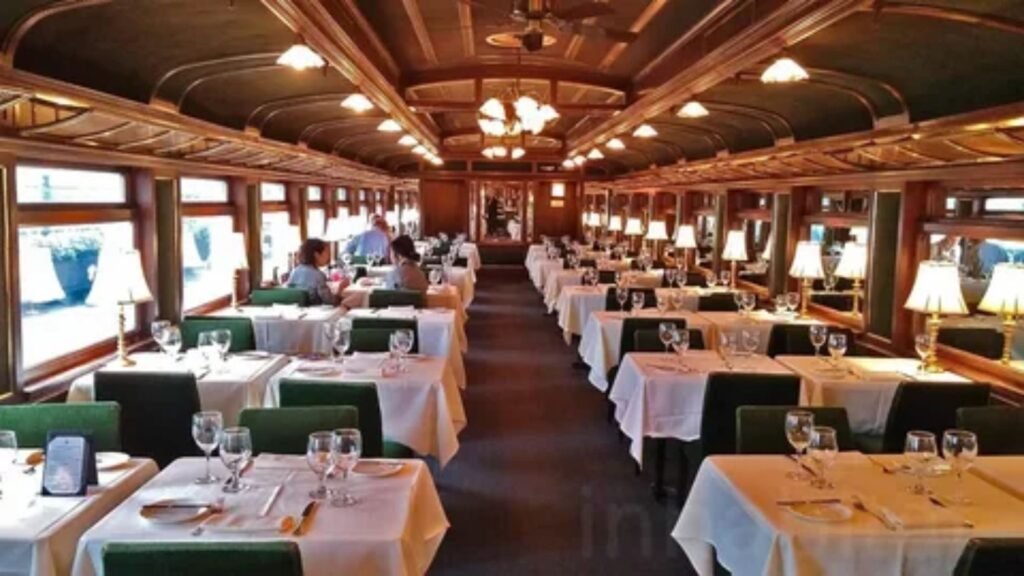
Facilities vary considerably between train operators and accommodation classes. Some overnight trains have dining cars or food services, while others offer limited refreshments or require passengers to bring their own snacks.
Toilets and washrooms may be shared or, in some cases, available inside private cabins. Bedding, charging sockets, reading lights, and luggage storage may also differ by service.
Before departure, check the train’s facilities and rules. If you have dietary requirements, do not assume that suitable meals will be available onboard. Bringing permitted snacks can be helpful, especially on routes with limited food services.
Passengers who need accessibility support should contact the operator before traveling to confirm boarding assistance, accessible sleeping accommodation, and suitable washroom facilities.
Overnight Train Journey vs. Flying
Both overnight trains and flights can be useful for long-distance travel, but each offers a different experience.
Flights are often faster over long distances, particularly when destinations are far apart. However, airport transfers, check-in procedures, security screening, and waiting time can add to the overall journey.
Trains may offer more opportunities to move around, enjoy scenery, and relax without the same restrictions associated with an aircraft cabin. Some overnight trains also allow passengers to sleep in proper beds.
Cost depends on the route, travel date, baggage requirements, and accommodation. An overnight train may help reduce hotel expenses, but a sleeper ticket can sometimes cost more than a flight.
Rail travel can produce lower greenhouse gas emissions than flying on many routes, although the difference depends on factors such as the electricity source, train occupancy, aircraft, and distance.
Compare the total door-to-door travel time, cost, comfort, and convenience before choosing.
Who Should Consider an Overnight Train Journey?
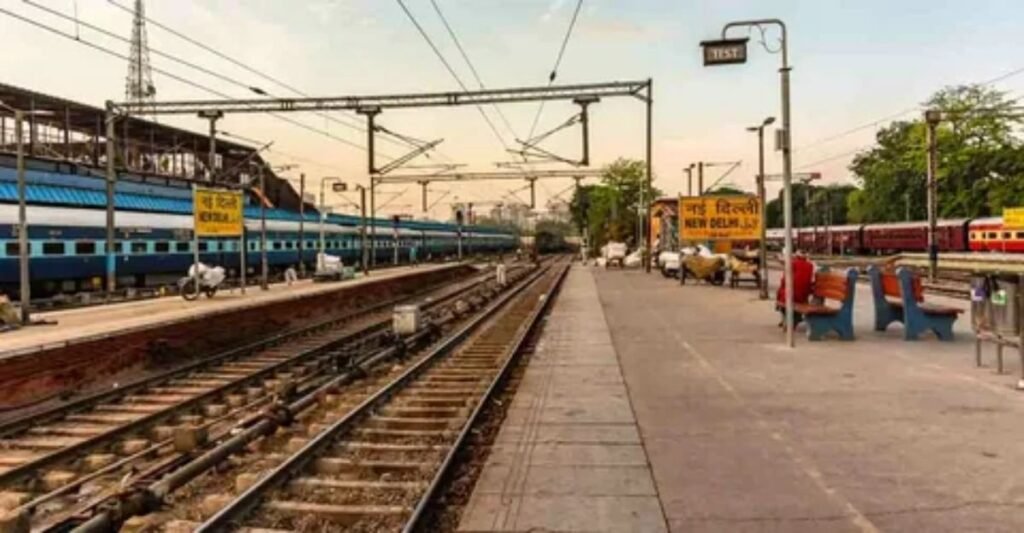
An overnight train journey can suit many types of travelers.
Tourists may appreciate arriving in a new city without using an entire day for transportation. Couples can enjoy a shared cabin, while families may benefit from having sleeping space and room to organize their belongings.
Solo travelers may appreciate the convenience of traveling overnight, while budget-conscious passengers can compare shared sleepers with the cost of separate daytime travel and accommodation.
However, overnight trains may not suit everyone. People who have difficulty sleeping in unfamiliar environments, need to reach a destination quickly, or require facilities unavailable on a particular service may prefer another transport option.
The best choice depends on your priorities, health and accessibility needs, budget, and travel schedule.
Common Mistakes to Avoid During an Overnight Train Journey
Avoid these common mistakes when planning your trip:
- Booking a seat when you actually need a sleeping berth.
- Assuming every overnight train provides beds, meals, or private washrooms.
- Checking the city name but overlooking the exact railway station.
- Carrying too much luggage into a small sleeping compartment.
- Ignoring baggage restrictions and cancellation conditions.
- Forgetting identification documents or reservation details.
- Failing to plan transportation after an early-morning arrival.
- Waiting until the last moment to book a popular service.
- Assuming a short overnight stop means you can leave the station without checking ticket and luggage arrangements.
A quick review of your booking confirmation and the operator’s travel instructions can prevent many avoidable problems.
Frequently Asked Questions
1. What is an overnight train journey?
An overnight train journey is a rail trip that takes place during nighttime, allowing passengers to travel between destinations while resting or sleeping. Accommodation may include ordinary seats, reclining seats, shared sleepers, or private cabins.
2. Is an overnight train journey comfortable?
Comfort depends on the train, accommodation, journey length, and personal preferences. A sleeper berth usually provides a better opportunity to rest than an ordinary seat, but noise and movement can still affect sleep.
3. What should I bring on an overnight train?
Bring your ticket, identification, phone, charger, comfortable clothing, toiletries, necessary medication, and a few suitable snacks. An eye mask, earplugs, and a light jacket can also make the trip more comfortable.
4. Is it possible to sleep properly on a train?
Yes, many passengers sleep on overnight trains, particularly when they have a proper berth or cabin. However, train movement, noise, lighting, and unfamiliar surroundings may affect sleep quality.
5. Are overnight trains cheaper than flying?
Not always. Compare the complete cost of tickets, baggage, transfers, meals, and any hotel savings. The more affordable option depends on the route, dates, and accommodation you choose.
6. How early should I book an overnight train ticket?
Booking early is often helpful for popular routes, busy travel seasons, and private sleeper cabins. Check the operator’s booking schedule and availability because tickets may be released at different times.
Conclusion
An overnight train journey can be a practical and memorable way to explore new destinations while making better use of your travel time. With different seating arrangements, shared sleepers, and private cabins available on selected services, travelers can choose an option that matches their budget and comfort preferences.
The key to successful overnight train travel is preparation. Compare ticket prices, confirm your accommodation, pack essential items, protect your belongings, and check the onboard facilities before departure. Consider your total travel costs and arrival arrangements rather than focusing only on the ticket price.
With the right planning, an overnight train journey can become more than just transportation. It can be a relaxing part of your trip and an enjoyable way to discover new places.
Pingback: Amtrak Observation Car: Views, Seating, and Travel Tips
Pingback: Mountain Train Journeys: A Complete Guide to Scenic Routes,