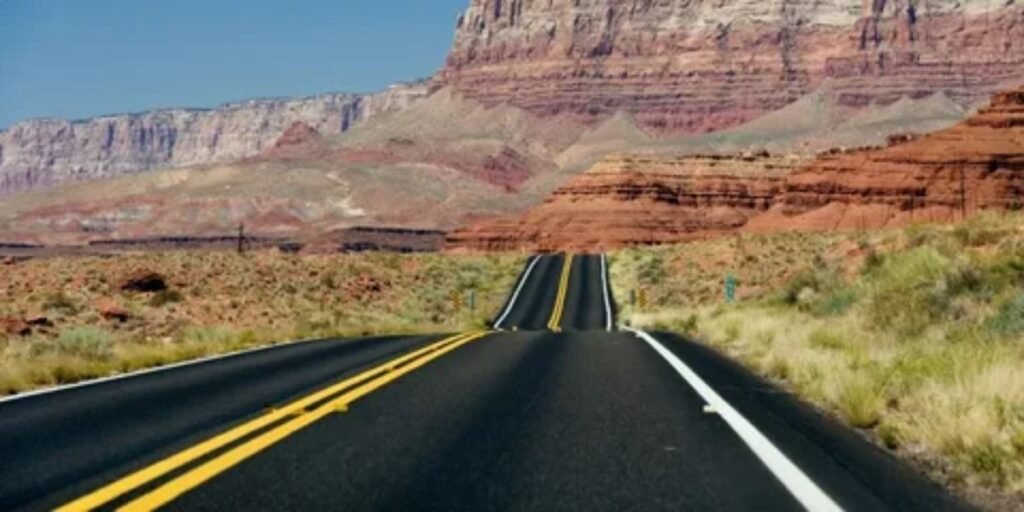
Traveling from the Grand Canyon to Phoenix is a wonderful way to experience the natural beauty and diverse landscapes of Arizona. From the dramatic cliffs of the Grand Canyon to the warm desert scenery surrounding Phoenix, this journey offers a memorable road trip for families, couples, solo travelers, and outdoor enthusiasts.
The Grand Canyon is famous for its enormous rock formations, colorful layers, and breathtaking viewpoints. Phoenix, Arizona’s capital and largest city, offers a different experience with modern attractions, shopping areas, restaurants, museums, and desert parks.
The journey is relatively straightforward, especially for travelers starting at the Grand Canyon’s South Rim. Most visitors choose to drive because it provides flexibility and makes it easier to stop in interesting towns along the way. Other transportation options may be available, but they usually require additional planning.
Whether you want to reach Phoenix as quickly as possible or enjoy a scenic road trip, understanding the distance, driving time, routes, and possible stops can help you plan a comfortable journey.
How Far Is Grand Canyon from Phoenix?
The driving distance from the Grand Canyon’s South Rim to Phoenix is approximately 225 to 235 miles, depending on your starting point and final destination. The route commonly passes through Flagstaff before continuing south toward the Phoenix metropolitan area.
For most travelers, this distance makes the journey manageable in a single day. However, the total distance can change if you begin at a different section of Grand Canyon National Park or choose a scenic detour.
The South Rim is the most popular starting point because it offers well-known viewpoints, visitor facilities, and access to the main Grand Canyon Village area.
The North Rim is much farther from Phoenix by road and has different seasonal access conditions. Travelers should not assume that the distance from the North Rim is similar to the distance from the South Rim.
Before leaving, check your exact starting location and destination in a navigation app. Phoenix covers a large metropolitan area, so traveling to downtown Phoenix, an airport, or a hotel in the suburbs can produce different mileage estimates.
How Long Does It Take to Drive from Grand Canyon to Phoenix?
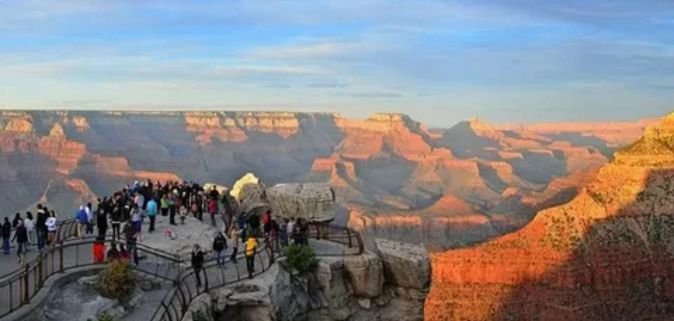
Driving from the Grand Canyon South Rim to Phoenix generally takes around three and a half to four hours without lengthy stops, depending on traffic, weather, and the exact route.
Although the drive can be completed in one morning or afternoon, it is worth allowing additional time for breaks. You may want to stop for lunch, explore a small town, take photographs, or enjoy a viewpoint along the way.
Several factors can affect the Grand Canyon to Phoenix driving time:
- Traffic: Congestion near Flagstaff and the Phoenix metropolitan area may slow your journey.
- Weather: Snow, rain, or icy conditions can make driving more difficult, particularly at higher elevations.
- Road construction: Temporary closures and maintenance work can increase travel time.
- Sightseeing: Stops in Sedona, Williams, or other destinations may add several hours.
- Rest breaks: Families traveling with children may need additional time for food, fuel, and comfort stops.
If you have a flight from Phoenix Sky Harbor International Airport, avoid planning your departure around the shortest estimated driving time. Allow a generous buffer for road conditions, rental-car returns, airport security, and other travel arrangements.
Best Driving Route from Grand Canyon to Phoenix
The most common route from the Grand Canyon South Rim to Phoenix follows Arizona State Route 64, Interstate 40, and Interstate 17.
Start by leaving the Grand Canyon Village area and traveling south on Arizona State Route 64 toward Williams. Depending on your starting point and navigation directions, you may first travel along the park’s access roads before reaching the main highway.
From Williams, connect to Interstate 40 and travel east toward Flagstaff. At Flagstaff, take Interstate 17 south toward Phoenix.
Interstate 17 is the main highway connecting northern Arizona with the Phoenix area. Along this road, you will experience changing scenery, including forested mountain areas, rocky hills, and increasingly warm desert landscapes as you approach the city.
This route is popular because it provides a practical balance between travel time and road convenience. It also offers opportunities to stop in Flagstaff or take a detour toward Sedona.
Before starting your journey, check your navigation app for current traffic, construction, weather alerts, and any road restrictions. The best route may change depending on your travel date and destination within Phoenix.
If you prefer sightseeing over a direct drive, consider planning your stops before leaving the Grand Canyon. This makes it easier to manage your schedule without rushing.
Best Places to Stop Between Grand Canyon and Phoenix
One of the best parts of a Grand Canyon to Phoenix road trip is the opportunity to explore Arizona’s small towns, mountain scenery, and desert landscapes.
Williams, Arizona

Williams is a historic town located along the famous Route 66 corridor. It is a convenient stop for travelers leaving the Grand Canyon, particularly those who want breakfast, lunch, coffee, or a short walk through a traditional American main street.
The town has a relaxed atmosphere, roadside attractions, souvenir shops, and restaurants. Its historic character makes it an appealing place to take photographs and enjoy a short break before continuing toward Flagstaff.
Williams can also be useful for travelers interested in the history of Route 66 and classic American road trips.
If you are traveling with children, stopping here can provide a welcome opportunity to stretch your legs and enjoy a meal before continuing south.
Flagstaff, Arizona
Flagstaff is one of the most convenient places to stop between the Grand Canyon and Phoenix. Located at a higher elevation and surrounded by forests and mountains, the city has a different atmosphere from the desert environment of Phoenix.
Downtown Flagstaff features restaurants, cafés, local shops, and historic buildings. Travelers can take a short walk, enjoy lunch, or spend time exploring the city’s character.
Outdoor enthusiasts may also appreciate the surrounding mountain scenery. However, a longer visit to nearby attractions will increase the total travel time.
Flagstaff is particularly useful as a rest stop because it sits near the connection between Interstate 40 and Interstate 17. Travelers can refuel, purchase snacks, and prepare for the drive south.
Sedona, Arizona
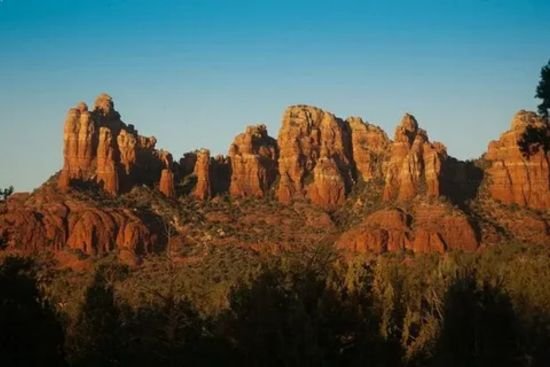
Sedona is famous for its striking red-rock formations, scenic drives, and outdoor recreation. The landscape provides a beautiful contrast to the Grand Canyon and is a popular destination for travelers exploring northern Arizona.
Visitors can enjoy scenic viewpoints, short walks, local art galleries, restaurants, and opportunities for photography. Depending on the season and conditions, hiking may also be an option.
Sedona is not directly on the quickest route from the Grand Canyon to Phoenix. Reaching the city generally requires a detour from the main route, so travelers should consider whether they have enough time to explore.
A brief stop may be enough to enjoy the scenery, while a longer visit can easily turn the journey into a full-day road trip.
If you want to explore Sedona without feeling rushed, consider spending a night there rather than trying to fit every attraction into one day.
Camp Verde, Arizona
Camp Verde is another possible stop when exploring the Verde Valley region. It can be a convenient place to take a break, find food, or refuel, depending on your route.
The surrounding area features a mix of desert scenery, green river landscapes, and regional attractions. Travelers who choose a route through the Verde Valley may find Camp Verde useful for breaking up the drive.
However, it is not necessary to stop here on the most direct journey to Phoenix. Check your planned route before including it in your itinerary.
Transportation Options from Grand Canyon to Phoenix
Driving is usually the most flexible option for traveling from the Grand Canyon to Phoenix, but it is not the only possibility.
Rental Car or Personal Vehicle
A rental car allows you to leave when you are ready, choose your own stops, and carry luggage comfortably. It is especially useful for families and travelers planning to explore Flagstaff or Sedona.
Before booking a rental vehicle, compare the total cost, including insurance, fuel, taxes, and any additional fees. If you are visiting during a busy holiday period, booking ahead may provide more choices.
Organized Tours and Shuttle Connections
Some tour operators offer transportation or organized trips involving the Grand Canyon and other Arizona destinations. Availability, departure points, schedules, and included services vary.
Many sightseeing tours are designed around particular itineraries rather than providing a simple one-way transfer to Phoenix. Check the details carefully before making a reservation.
Shuttle services may also operate between selected locations, but their routes and schedules should be confirmed for your travel date.
Public Transportation
Public transportation can be more complicated because the Grand Canyon is outside Phoenix’s urban transit network. Depending on the date and available services, travelers may need to combine shuttle connections, buses, or other transportation options.
A direct train journey should not be assumed, and a convenient direct bus may not be available for every itinerary.
If you do not plan to drive, research each connection in advance and allow enough time between services. Confirm baggage policies, departure locations, and the final connection to your Phoenix accommodation.
Best Time to Travel from Grand Canyon to Phoenix
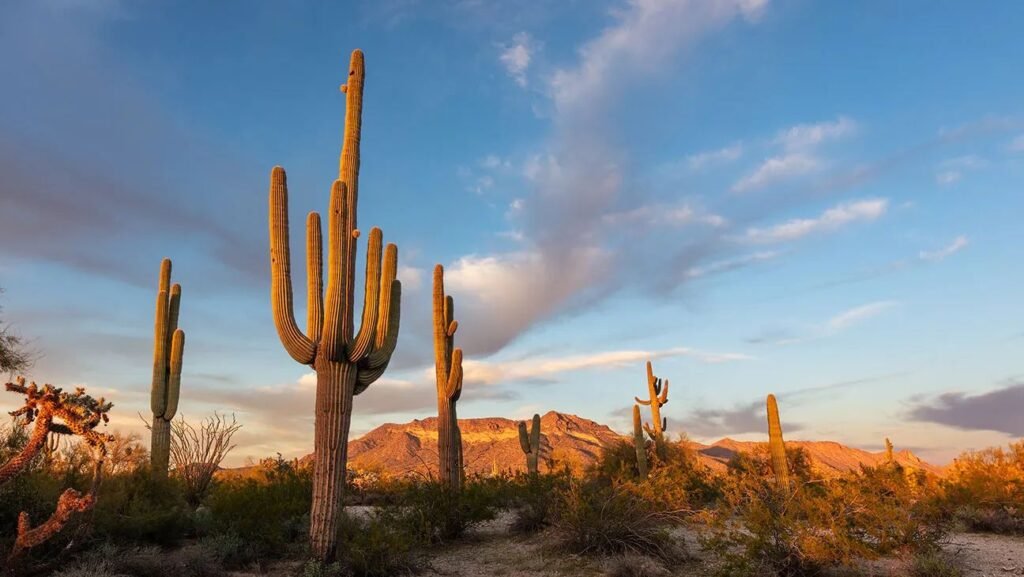
The best time for a Grand Canyon to Phoenix road trip depends on your preferred weather and the activities you want to enjoy.
Spring is often a comfortable season for exploring northern Arizona. Temperatures at the Grand Canyon can still be cool, while Phoenix generally experiences warmer weather.
Autumn is another appealing period because the extreme summer heat begins to ease in Phoenix. Conditions can be pleasant for sightseeing, although temperatures may vary considerably between the two destinations.
Summer brings intense heat to Phoenix, so travelers should carry water and avoid unnecessary outdoor activity during the hottest parts of the day. The Grand Canyon’s higher elevation can be cooler, but summer thunderstorms and changing weather conditions are possible.
Winter requires extra attention to weather forecasts. Snow and ice can affect roads around the Grand Canyon and Flagstaff, even when Phoenix has mild or warm conditions. Check for travel advisories before departing and avoid driving in unsafe conditions.
Regardless of the season, start with enough daylight for your planned journey and check the forecast for the entire route rather than only Phoenix.
Estimated Travel Costs
The cost of traveling from the Grand Canyon to Phoenix depends on your vehicle, fuel consumption, travel style, and planned stops.
Fuel is one of the main expenses for drivers. The cost will vary according to the vehicle’s efficiency, current fuel prices, and the total distance traveled. Scenic detours can increase fuel consumption.
Rental-car expenses may include the daily rental rate, insurance, taxes, and additional charges. Travelers using their own vehicles should consider fuel and routine travel expenses.
Food and drinks are other costs to consider. You can reduce spending by carrying snacks and water, although stopping at local restaurants can make the road trip more enjoyable.
Additional expenses may include parking, optional attractions, accommodation, and any applicable national park entry fees. Park admission arrangements should be checked separately from ordinary driving expenses.
For a practical budget, estimate fuel costs first, then add meals, vehicle expenses, and sightseeing. Keep some extra money available for unexpected delays or changes to your itinerary.
Essential Travel Tips for the Journey
A little preparation can make your trip safer, easier, and more enjoyable.
First, check road conditions and weather forecasts before leaving the Grand Canyon. Conditions at higher elevations may differ significantly from those in Phoenix.
Second, make sure you have enough fuel for your planned route. Although services are available along commonly traveled roads, it is sensible to avoid allowing the fuel level to become unnecessarily low.
Carry drinking water, snacks, a phone charger, and any essential travel supplies. Mobile reception can vary in some areas, so downloading offline maps may be useful.
Plan rest stops in advance, particularly if you are traveling with children or older adults. Taking regular breaks can help reduce fatigue during a long drive.
Wear comfortable clothing and prepare for changing temperatures. A cool morning at the Grand Canyon can feel very different from a warm afternoon in Phoenix.
Follow posted speed limits, watch for changing road conditions, and avoid driving when tired. If winter weather is expected, reconsider your departure time or delay the trip until conditions improve.
Finally, confirm the details of any attractions you plan to visit. Parking arrangements, operating schedules, entry fees, and access restrictions can change.
Is the Grand Canyon to Phoenix Road Trip Worth It?
Yes, the drive from the Grand Canyon to Phoenix can be a rewarding part of an Arizona vacation. The journey connects one of America’s most famous natural landmarks with a lively metropolitan destination.
Travelers who drive directly can complete the journey in a few hours under normal conditions. Those with more time can add stops in Williams or Flagstaff, or take a detour to Sedona for red-rock scenery and outdoor activities.
The trip is particularly worthwhile for visitors who enjoy changing landscapes. Forests and mountain scenery in northern Arizona gradually give way to drier terrain and desert views as the road continues toward Phoenix.
Your ideal itinerary depends on your schedule. If you have a flight to catch, prioritize a direct route and a comfortable time buffer. If sightseeing is the main goal, consider allowing a full day or arranging an overnight stay along the way.
Frequently Asked Questions
1. How far is the Grand Canyon from Phoenix?
The Grand Canyon South Rim is approximately 225 to 235 miles by road from Phoenix, depending on the exact starting point and destination. Other areas of the Grand Canyon, including the North Rim, have different driving distances.
2. How many hours does it take to drive from Grand Canyon to Phoenix?
The drive from the South Rim generally takes around three and a half to four hours without extended stops. Traffic, weather, roadworks, and sightseeing detours may increase the total time.
3. What is the best route from Grand Canyon to Phoenix?
A commonly used route follows Arizona State Route 64 toward Williams, Interstate 40 toward Flagstaff, and Interstate 17 south to Phoenix. Check current navigation directions before leaving.
4. Can I travel from Grand Canyon to Phoenix without a car?
Yes, depending on available transportation services. Shuttle connections, organized tours, and public transportation options may be possible, but schedules and routes vary. Advance planning is important because a convenient direct connection may not be available.
5. Which towns are worth visiting between Grand Canyon and Phoenix?
Williams and Flagstaff are convenient stops on the common route. Sedona is also worth considering for its red-rock scenery, although visiting it generally requires a detour. Camp Verde may be useful when traveling through the Verde Valley.
Conclusion
Traveling from the Grand Canyon to Phoenix is a memorable Arizona journey that combines spectacular natural scenery with the convenience of a major city. The South Rim is approximately 225 to 235 miles from Phoenix, and the drive generally takes around three and a half to four hours without lengthy stops.The most common route travels through Williams and Flagstaff before following Interstate 17 south. Travelers with additional time can explore historic towns, enjoy mountain views, or take a detour to Sedona.
Pingback: Train from Edinburgh to London: A Complete Guide to Routes,
Pingback: Philadelphia to Boston Train: A Complete Guide to Routes
Pingback: Overnight Train Journey: A Complete Guide to Sleeper Trains,