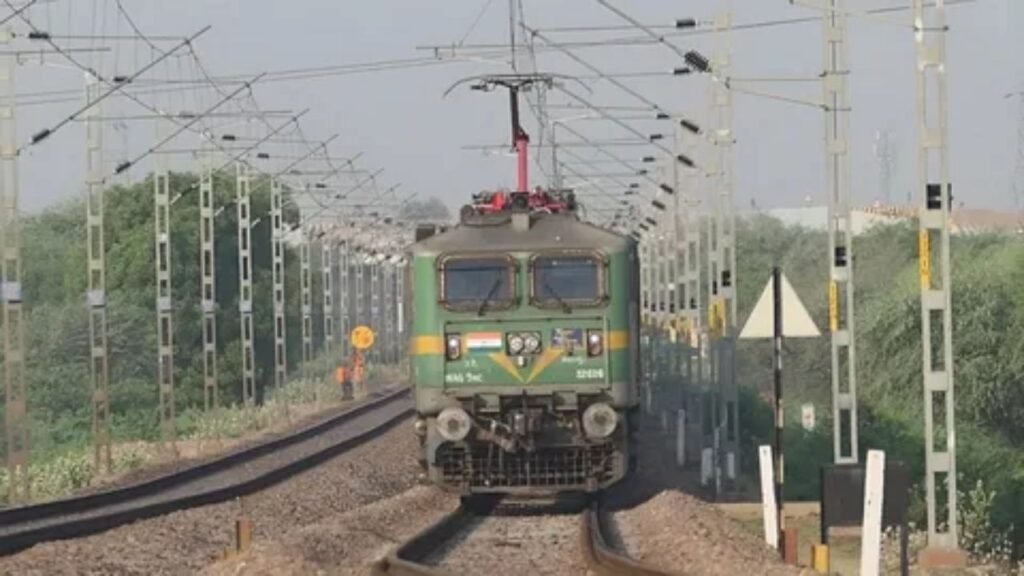
Train travel in Europe is one of the most convenient ways to explore different countries, cities, and beautiful landscapes. Europe has an extensive railway network that connects major cities with smaller towns, making it possible to visit several destinations during one trip.
Traveling by train can also make the journey part of the travel experience. Instead of spending hours at an airport, passengers can sit comfortably, enjoy views from the window, and often arrive directly in the city center.
Whether you are planning your first European trip or looking for a better way to explore multiple countries, train travel in Europe can be an interesting option. With proper planning, travelers can choose suitable routes, book tickets, manage their luggage, and enjoy a smooth journey.
What Is Train Travel in Europe?
Train travel in Europe means using the European railway network to travel between cities and countries by train. Many European countries have their own railway companies, while international routes connect neighboring countries.
For example, travelers can use trains to move between major destinations such as Paris, Amsterdam, Brussels, Berlin, Vienna, Prague, Rome, Zurich, and many other cities.
Some trains are designed for speed, while others focus on regional travel or overnight journeys. This gives travelers different options depending on their budget, schedule, and destination.
Why Travel Around Europe by Train?

There are several reasons why European train travel is popular among tourists.
Convenient City-Center Travel
Many major European train stations are located close to city centers. This can make transportation easier after arriving at a destination.
Airports are often located outside cities, which may require additional transportation. Train stations can sometimes provide a more direct arrival experience.
Comfortable Journeys
Train passengers usually have more freedom to move around than they would on a bus or airplane. Many trains provide comfortable seats, luggage areas, toilets, and sometimes food and beverage services.
Passengers can also read, work, relax, or enjoy the scenery during the journey.
Beautiful Scenery
One of the biggest attractions of train travel in Europe is the scenery. Depending on the route, travelers may see mountains, rivers, forests, villages, coastlines, and countryside.
Scenic train journeys can turn a simple transportation trip into an enjoyable travel experience.
Easy Access to Multiple Countries
Europe has many countries located relatively close to one another. Travelers can sometimes visit several destinations during one vacation without relying entirely on flights.
This makes train travel useful for people who want to create a multi-city or multi-country itinerary.
How to Plan a Train Trip in Europe
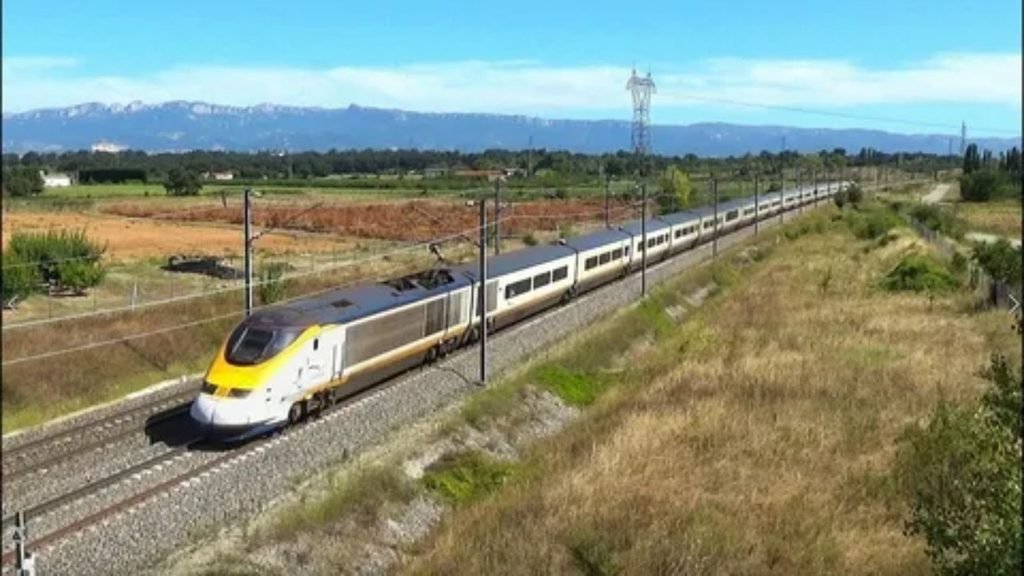
Planning your journey before departure can make European train travel much easier.
Choose Your Destinations
Start by deciding which countries and cities you want to visit. Try to create a route that makes geographical sense.
For example, instead of constantly moving back and forth between distant destinations, arrange your trip so that each city naturally leads to the next one.
Consider how many days you want to spend in each destination before booking your transportation.
Check Train Times
Train schedules can vary depending on the country, route, season, and day of travel.
Before booking, check:
- Departure time
- Arrival time
- Journey duration
- Number of changes
- Train type
- Departure and arrival stations
If your journey requires a connection, allow enough time between trains.
Decide How Much Luggage to Carry
Traveling by train can be easier with manageable luggage. Large bags may become inconvenient when moving through stations, changing trains, or walking to hotels.
A suitcase that you can comfortably handle yourself is usually more practical for a multi-city trip.
Popular Train Routes in Europe
Europe has many famous railway routes connecting popular destinations.
Travelers can explore routes between cities such as Paris and Brussels, Amsterdam and Paris, Vienna and Budapest, or Zurich and other Swiss destinations.
There are also scenic journeys through mountainous regions and countryside areas.
The best route depends on what type of experience you want. Some travelers prefer fast transportation between major cities, while others want slower journeys with beautiful views.
High-Speed Trains in Europe
High-speed trains are designed to connect major cities quickly. They are especially useful when travelers want to cover long distances without spending an entire day on transportation.
Several European countries operate high-speed railway services. These trains can significantly reduce travel time between major destinations.
When using a high-speed train, it is important to check whether seat reservations are required. Some services use assigned seating, so travelers should review their booking details before departure.
Regional Trains
Regional trains are generally designed for shorter journeys between cities, towns, and surrounding areas.
They can be useful for travelers who want to explore smaller destinations rather than only visiting major tourist cities.
Regional services may make more frequent stops than high-speed trains. Because of this, the journey can take longer, but it may provide access to places that are not served by major express services.
Overnight Trains
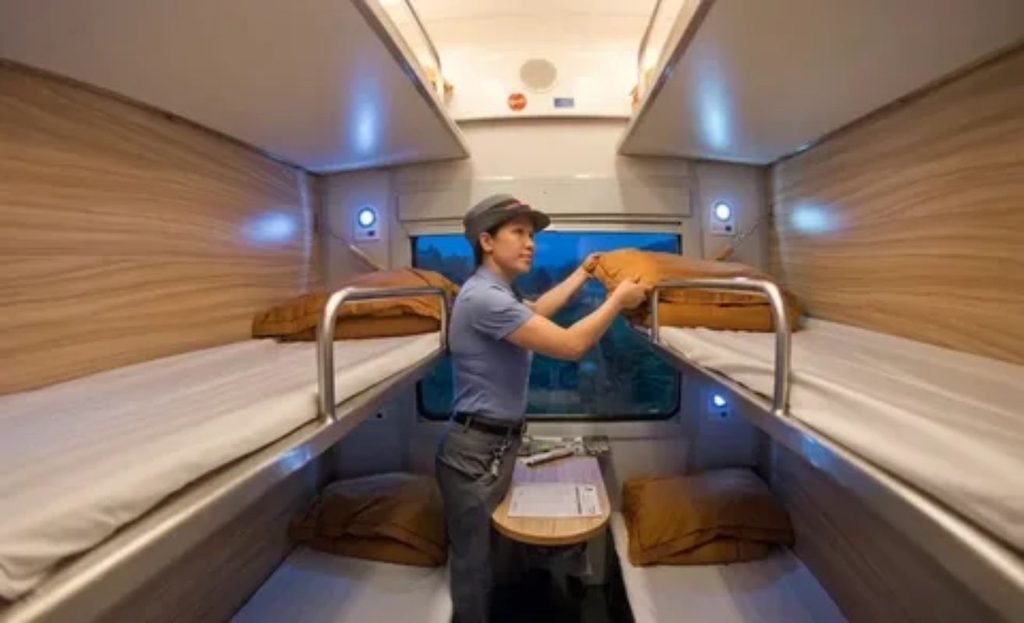
Overnight trains can be useful when travelers want to cover a long distance while sleeping during the journey.
Depending on the service, travelers may find regular seats, sleeping compartments, or other accommodation options.
An overnight train can also reduce the need for one night at a hotel, although prices and comfort levels vary. Travelers should check exactly what type of accommodation is included before booking.
How to Book Train Tickets in Europe
Train tickets can usually be purchased through official railway websites, railway apps, station ticket offices, or authorized booking platforms.
Before purchasing a ticket, carefully check the journey details.
Look at:
- Travel date
- Departure time
- Departure station
- Arrival station
- Train number
- Seat information
- Ticket conditions
- Refund or change rules
Some tickets may have restrictions, while others may offer more flexibility.
Booking earlier can sometimes provide access to different fare options, but travelers should always compare the ticket conditions rather than choosing only based on price.
Train Passes vs. Individual Tickets
Travelers exploring several destinations may consider a European train pass. A pass can provide access to certain participating railway networks under specific conditions.
However, a train pass is not automatically suitable for every traveler.
If you are taking only a few journeys, buying individual tickets may be more practical. If you are planning many train journeys across multiple destinations, a pass may be worth considering.
Compare the expected cost of individual tickets with the total cost and conditions of a pass before making a decision.
Tips for a Smooth Train Journey
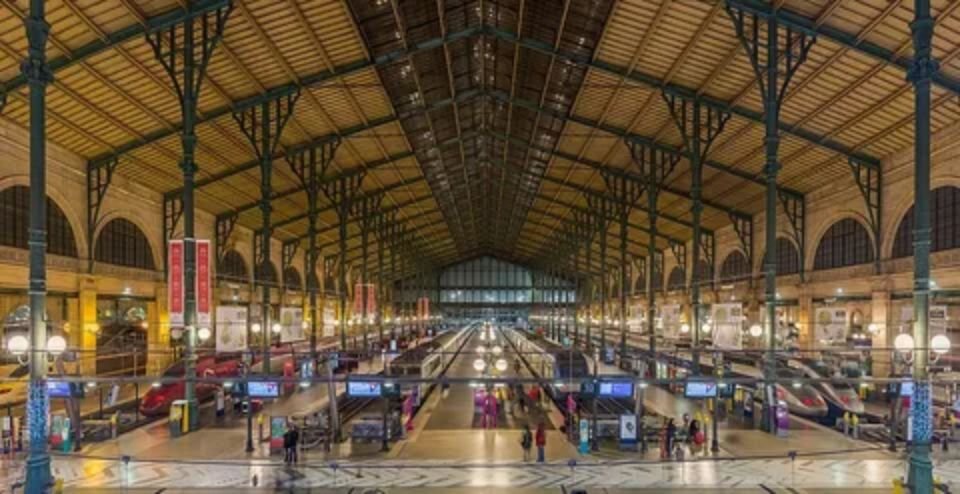
A few simple habits can make train travel in Europe easier.
Arrive Early
Arrive at the station with enough time to find the correct platform. Large stations can be confusing, especially when you are visiting a city for the first time.
Check the Station Carefully
Some cities have multiple train stations. Make sure you know the exact station shown on your ticket.
Keep Your Ticket Accessible
Keep your digital or printed ticket available throughout the journey. Train staff may check tickets after departure.
Watch Your Belongings
Keep your important documents, money, phone, and other valuables secure. Avoid leaving important belongings unattended.
Check Platform Information
Platforms can sometimes change. Check the station’s departure boards before boarding.
How to Save Money on European Train Travel
Traveling by train does not always have to be expensive. Good planning can help travelers manage their transportation budget.
Booking ahead may provide more fare choices on some routes. Traveling outside busy periods can also provide different prices depending on the service.
Another useful strategy is to compare different routes. A direct high-speed train may be faster, while another service with a connection could have a different fare.
Travelers should also consider the total cost rather than only the ticket price. A cheaper ticket with an inconvenient schedule may not always be the most practical option.
Common Mistakes to Avoid
First-time travelers sometimes make simple mistakes when using European trains.
One common mistake is arriving at the wrong station. Always check the complete station name on your ticket.
Another mistake is leaving too little time for a train connection. If you need to change trains, make sure you understand where you need to go and how much time you have.
Carrying too much luggage can also make a multi-city trip difficult.
Travelers should also avoid assuming that every train works the same way. Ticket rules, reservations, boarding procedures, and luggage arrangements can vary between services and countries.
Safety and Travel Preparation
Train travel is generally straightforward, but travelers should still prepare carefully.
Keep your passport, travel documents, tickets, money, and phone in secure places. Save important booking information so you can access it when needed.
It is also useful to know your destination before arriving. Check your accommodation address and understand how you will travel from the station to your hotel.
If you are traveling between countries, make sure you understand the entry requirements that apply to your nationality and itinerary.
FAQs About Train Travel in Europe
1. Is train travel in Europe easy for first-time travelers?
Yes, many European train networks are designed to connect major cities and towns. First-time travelers should check their station, platform, train number, and ticket details carefully before departure.
2. Can you travel between European countries by train?
Yes. Many international railway routes connect neighboring European countries. The available routes depend on the countries, cities, and travel date.
3. Is it better to buy train tickets in advance?
Booking in advance can provide more options on some routes, especially during busy travel periods. However, ticket conditions and prices vary between train services.
4. Can I take luggage on European trains?
Luggage is generally allowed, but rules can vary by train operator. Travelers should check the luggage conditions of their specific service before traveling.
5. Are European train passes worth it?
It depends on the trip. Travelers taking many train journeys may find a pass useful, while people taking only a few trips may prefer individual tickets. Comparing the costs and conditions is important.
Conclusion
Train travel in Europe can be a practical way to explore different cities and countries while enjoying the journey along the way. From high-speed trains between major cities to regional services and scenic routes, travelers have many options to choose from.The key to a successful European train trip is good preparation. Plan your destinations, check train schedules, understand your ticket, manage your luggage, and allow enough time for connections.