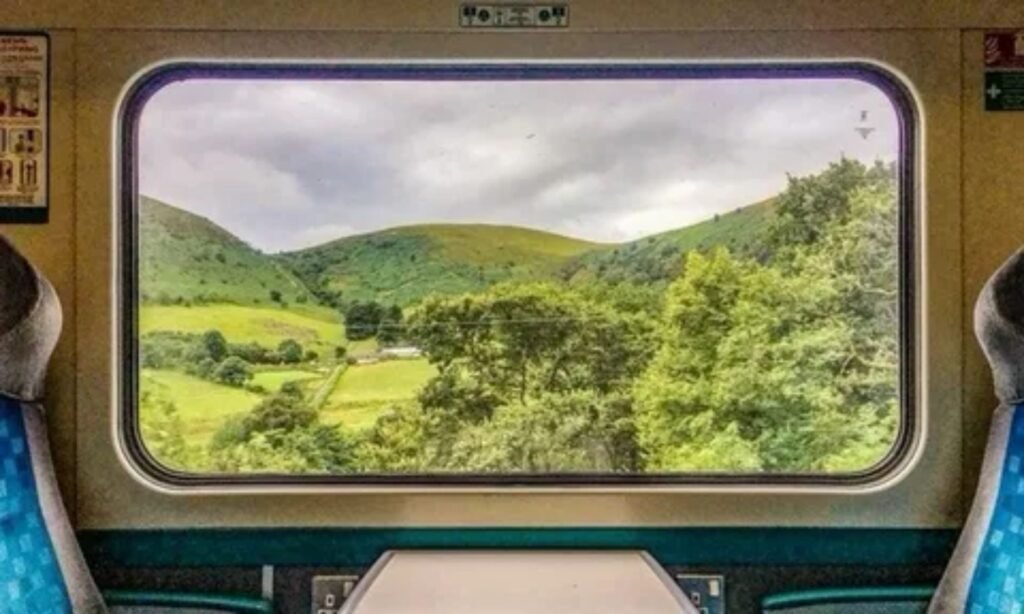
Train travel is one of the most practical and enjoyable ways to travel between cities and destinations. Every day, millions of people use trains for work, education, holidays, family trips, and long-distance journeys. A passenger in train can enjoy a comfortable ride while watching landscapes, relaxing in a seat, or simply getting from one destination to another.
Unlike driving, train travel allows passengers to spend less time focusing on the road. They can read a book, listen to music, work, talk with family, or enjoy the scenery during the journey. However, having a good experience depends on preparation, choosing the right seat, following train etiquette, and understanding basic safety rules.
This guide explains what it means to be a passenger on a train, the different types of train travelers, available facilities, safety tips, and ways to make a train journey more comfortable.
What Does Passenger in Train Mean?
The phrase passenger in train refers to a person who is traveling inside a train from one location to another. A train passenger may travel for a few minutes on a local service or spend many hours on a long-distance train.
A passenger train is designed to carry people rather than goods. These trains can include local commuter services, intercity trains, high-speed trains, overnight trains, and other forms of passenger transportation.
The experience can be different depending on the type of train, route, ticket class, and duration of the journey. Some trains provide basic seating, while others may offer comfortable seats, sleeping areas, dining services, Wi-Fi, charging points, and other facilities.
Different Types of Train Passengers
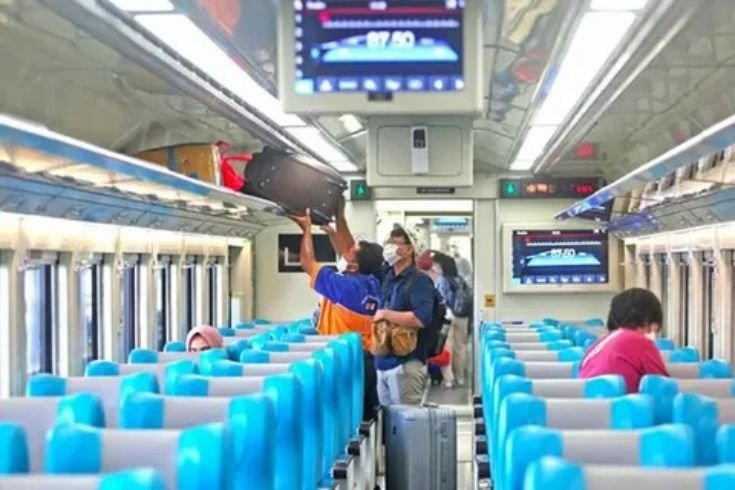
Not every train passenger has the same reason for traveling. People use trains for many different purposes.
Daily Commuters
Daily commuters use trains to travel between home, work, college, or other regular destinations. They usually value reliable schedules, convenient stations, affordable fares, and quick travel times.
Long-Distance Travelers
Long-distance passengers may spend several hours or even overnight on a train. Comfort becomes especially important for these travelers. They may choose larger seats, sleeping accommodations, or services that provide additional space.
Tourists
Tourists often use trains to explore new destinations. For them, the journey can be part of the travel experience. Scenic routes can offer beautiful views of mountains, countryside, rivers, cities, and coastlines.
Families
Families traveling by train usually need enough seating and luggage space. Parents may also look for services that make traveling with children easier and more comfortable.
Students
Students often use trains because they can be a convenient way to travel between home and educational institutions. Affordable tickets and regular schedules can be especially useful for them.
Business Travelers
Business travelers may choose trains because they can use travel time for reading, working, making calls where permitted, or preparing for meetings.
Senior Passengers
Older travelers may prefer trains because they can move around more easily than in some other forms of transportation. Accessible seating, elevators, assistance services, and convenient station facilities can also be important.
What Is the Experience Like for a Passenger in Train?
A typical train journey begins before the passenger even enters the train. Travelers usually arrive at the station, check the platform information, and wait for their service.
Once the train arrives, passengers board and look for their coach and seat. After settling in, they may organize their luggage and prepare for the journey.
During the trip, passengers can relax, enjoy the view, talk with other travelers, read, work, or use available onboard facilities. On longer journeys, passengers may also purchase food and drinks or use sleeping accommodations if available.
The experience can be peaceful, especially when passengers plan ahead and choose a service that matches their needs.
Train Seats and Passenger Comfort
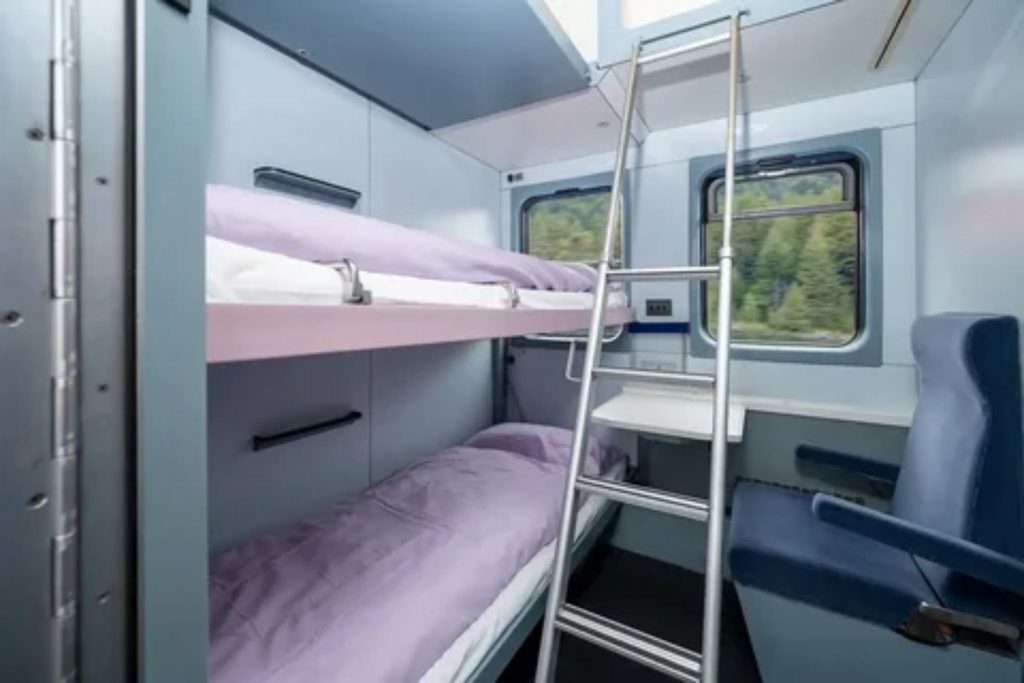
Train seats can have a major effect on the overall travel experience. Different trains use different seating arrangements, so passengers should check their ticket information before traveling.
Some trains have individual seats, while others use rows of seats or groups of seats around a table. Overnight services may provide sleeping berths or cabins.
When selecting a seat, consider factors such as legroom, window access, proximity to restrooms, and the location of luggage storage. A window seat may be a good choice for travelers who want to enjoy the scenery.
For long journeys, passengers should also think about personal comfort. Wearing comfortable clothes, carrying a small travel pillow, and keeping essential items nearby can make a significant difference.
Facilities Available for Train Passengers
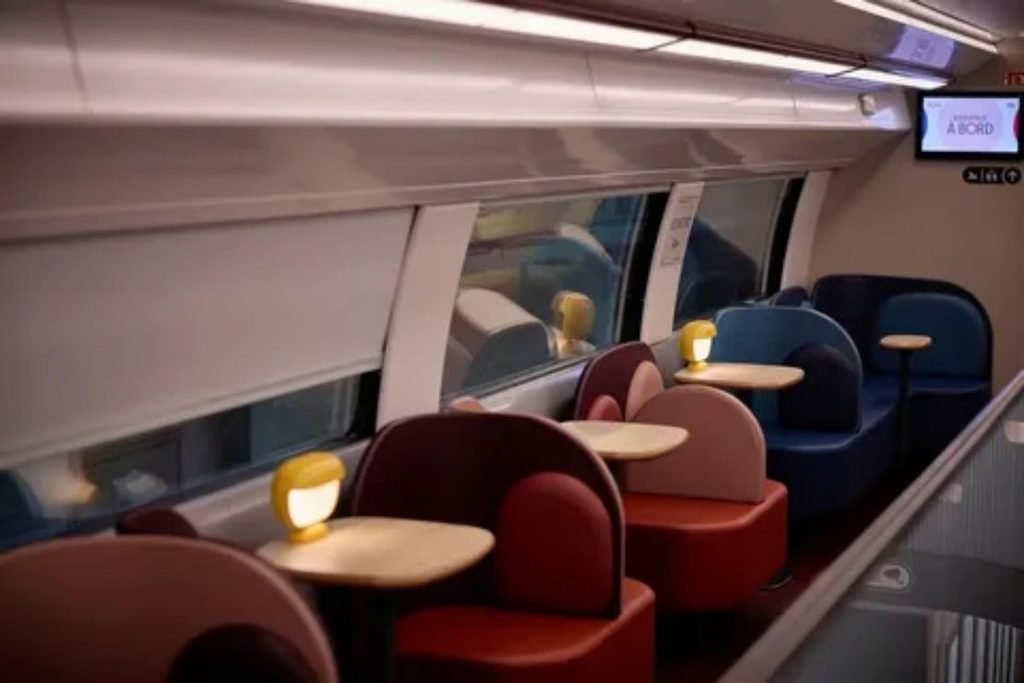
Modern passenger trains can offer a wide range of facilities, although the services available depend on the train, route, operator, and ticket class.
Common facilities may include:
- Restrooms
- Food and drinks
- Luggage storage
- Charging points
- Wi-Fi
- Air conditioning or heating
- Accessible seating
- Space for passengers with mobility needs
Some long-distance trains may have dining cars, snack services, sleeping accommodations, or other additional features.
Passengers should check the facilities available on their specific train before departure. This is especially useful for long journeys where travelers may need food, charging access, or extra luggage space.
Train Passenger Safety Tips
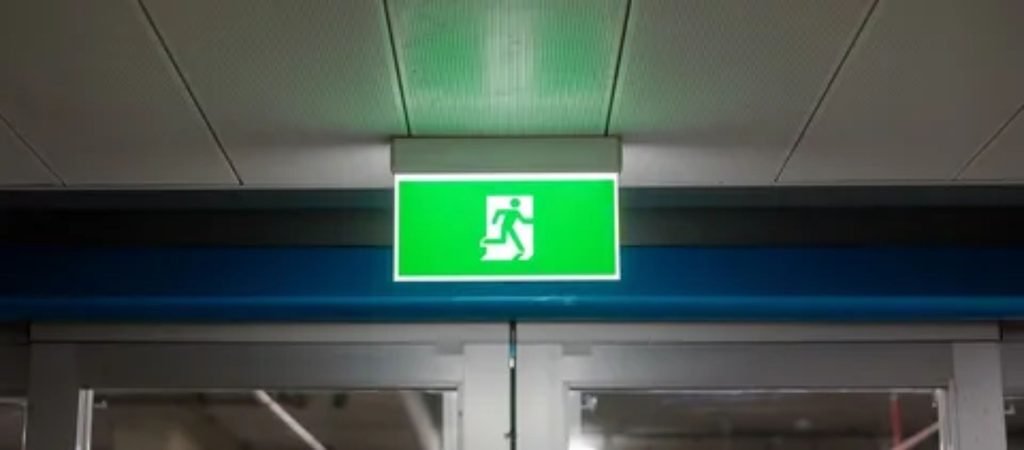
Safety should always be a priority during train travel. Most journeys are straightforward, but passengers should still follow basic safety practices.
First, keep your personal belongings secure. Important items such as passports, wallets, phones, tickets, and money should be kept somewhere safe.
Be careful when boarding and leaving the train. Wait until passengers have a clear path and follow station instructions.
Passengers should also remain in designated areas. Railway tracks and restricted railway zones can be dangerous and should never be entered without authorization.
If traveling with children, keep them close and explain basic train safety rules. Passengers should also pay attention to announcements because platforms, schedules, or other travel information may change.
It is useful to know where emergency information and exits are located, especially during a long journey.
Train Etiquette for Passengers
Good train etiquette helps create a comfortable environment for everyone.
Passengers should keep their voices at a reasonable level and use headphones when listening to music or watching videos. Loud conversations and sounds can disturb people who are trying to sleep or work.
Respecting personal space is also important. Avoid placing personal items on seats that are intended for other passengers.
Keeping the coach clean is another simple but important rule. Put rubbish in the appropriate bins and leave your seat and surrounding area tidy.
Passengers should also follow instructions from railway staff. If a particular coach or seat has special rules, travelers should respect them.
Small acts of courtesy can make the journey better for everyone on board.
Traveling as a Passenger on a Long Train Journey
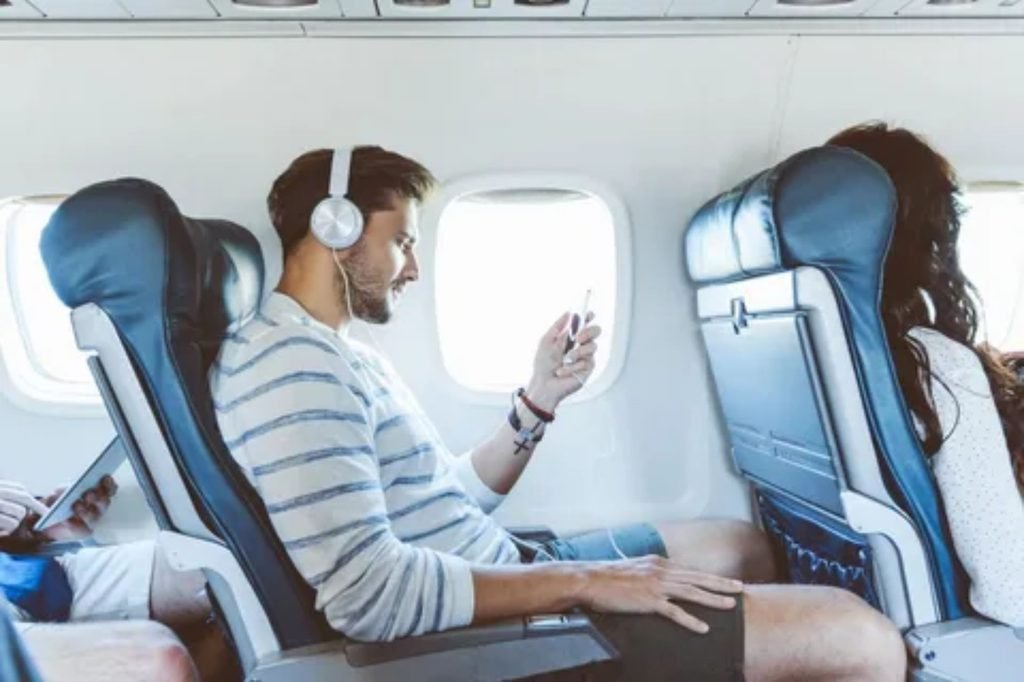
A long train journey requires more preparation than a short trip. Before leaving home, make sure you have your ticket, identification documents, money, phone, and other important items.
Comfortable clothing is useful when spending several hours on a train. A light jacket or sweater can also be helpful because temperatures inside trains may vary.
Bring a charger or power bank if permitted and keep your phone charged. Entertainment such as books, downloaded movies, music, or games can help make the journey more enjoyable.
For longer trips, carrying snacks and water can be useful, although passengers should always follow the train’s food and drink rules.
If the journey includes sleeping, consider bringing a small travel pillow, eye mask, or other personal comfort items.
How to Make Train Travel More Comfortable
There are several simple ways to improve the experience of a train passenger.
Arrive Early
Arriving at the station early gives you enough time to find the correct platform and coach without unnecessary stress.
Choose the Right Seat
Think about what matters most to you. A window seat may be ideal for scenery, while a seat near certain facilities may be more convenient during a long trip.
Pack Efficiently
Avoid carrying unnecessary luggage. Keep important items in a small bag that can stay close to you throughout the journey.
Plan Your Meals
For a long journey, know whether food is available on the train. If necessary, prepare suitable snacks before departure.
Keep Important Items Nearby
Your phone, ticket, identification, wallet, medication, and other essential items should be easy to access.
Stay Flexible
Train schedules can sometimes change. Keeping a flexible mindset can help you deal with unexpected delays or changes more calmly.
Common Problems Faced by Train Passengers
Train passengers can sometimes experience problems during their journeys. One common issue is a delay. Delays may affect connections and arrival times, so passengers should pay attention to updated announcements.
Crowded coaches can also be uncomfortable, particularly during busy travel periods. Booking early may provide more choices when reservations are available.
Limited luggage space can become another problem. Packing only what you need and following the train’s luggage rules can make things easier.
Noisy passengers may also affect the journey. Using headphones or politely asking someone to lower the volume can sometimes solve the problem.
If a passenger misses a connection because of a delay, they should contact railway staff and ask about available options rather than making assumptions.
Being prepared and staying calm can make unexpected situations easier to manage.
Frequently Asked Questions
1. What does passenger in train mean?
A passenger in train is a person traveling inside a train from one destination to another. The passenger may be traveling for work, education, tourism, or personal reasons.
2. What is a passenger train?
A passenger train is a railway service designed primarily to transport people. It can include local, regional, intercity, overnight, and high-speed services.
3. What should a passenger carry on a train journey?
Passengers should generally carry their ticket, identification when required, phone, money, necessary medications, and other personal essentials. Long-distance travelers may also need snacks, water, chargers, and entertainment.
4. How can train passengers stay safe?
Passengers can stay safe by following railway rules, keeping belongings secure, staying away from restricted areas, paying attention to announcements, and being careful while boarding and leaving the train.
5. How can passengers make a long train journey comfortable?
Choosing a suitable seat, wearing comfortable clothes, carrying entertainment, keeping essential items nearby, and planning food and drinks can make a long train journey more enjoyable.
Conclusion
Being a passenger in train can be a comfortable and enjoyable way to travel when you are properly prepared. From choosing the right seat and packing essential items to following safety rules and respecting other travelers, small decisions can make a big difference.Whether you are a daily commuter, tourist, student, family traveler, or long-distance passenger, understanding basic train etiquette and preparation can help you enjoy a smoother journey. With the right planning, train travel can be more than simply reaching your destination—it can become a relaxing and memorable part of the trip.
Pingback: Polar Express Train Ride NC: A Complete Guide to Christmas
Pingback: London to Birmingham Train: A Complete Guide to Routes,
Pingback: New York to Toronto Train: A Complete Guide to Cross-Border
Pingback: Train Rides in Arizona: A Complete Guide to Scenic Train Journeys