
Model on Train are miniature versions of real trains that allow people to experience the excitement of railways on a smaller scale. They are popular among hobbyists, collectors, children, and railway enthusiasts who enjoy creating realistic train layouts. These miniature trains can move along specially designed tracks and often include detailed locomotives, passenger coaches, railway stations, bridges, and landscapes.
The hobby of model trains combines creativity, technology, and railway history. Some people collect model trains for display, while others build complete miniature railway systems in their homes. Whether you are a beginner or an experienced enthusiast, understanding model trains can help you explore this interesting hobby.
What Does Model on Train Mean?
The term model on train generally refers to miniature train models designed to represent real railway locomotives and passenger or freight trains. These models reproduce the appearance and sometimes the working features of full-sized trains. They are available in different sizes, designs, and levels of detail.
Model trains can be used for entertainment, educational activities, collecting, and building miniature railway displays. Many models feature realistic lights, moving wheels, sound effects, and detailed interiors that make them look similar to actual trains.
What Is a Model Train?
A model train is a small-scale replica of a real train that operates on miniature railway tracks. It usually includes a locomotive, passenger coaches, freight cars, and other railway components. Some models are powered by electricity, while others are designed mainly for display.
Model trains are available in different styles, including steam engines, diesel locomotives, and electric trains. Modern models can offer realistic movement, working headlights, sound effects, and remote-control features. These characteristics make them enjoyable for both collectors and railway enthusiasts.
History of Model Trains
Model trains have a long history that began during the nineteenth century. Early models were often made from metal and operated through simple mechanical systems. As railway transportation became more popular, miniature train models attracted the attention of collectors and manufacturers.
During the twentieth century, model trains became more advanced and accessible. Electric-powered models allowed enthusiasts to operate trains on miniature tracks more easily. Manufacturers also introduced different scales, improved designs, and realistic railway accessories, helping the hobby grow around the world.
Different Types of Model Trains
Model trains come in several types based on their appearance, purpose, and operating systems. Each type offers a different experience, allowing collectors to choose models according to their interests and available space.
Steam Model Trains
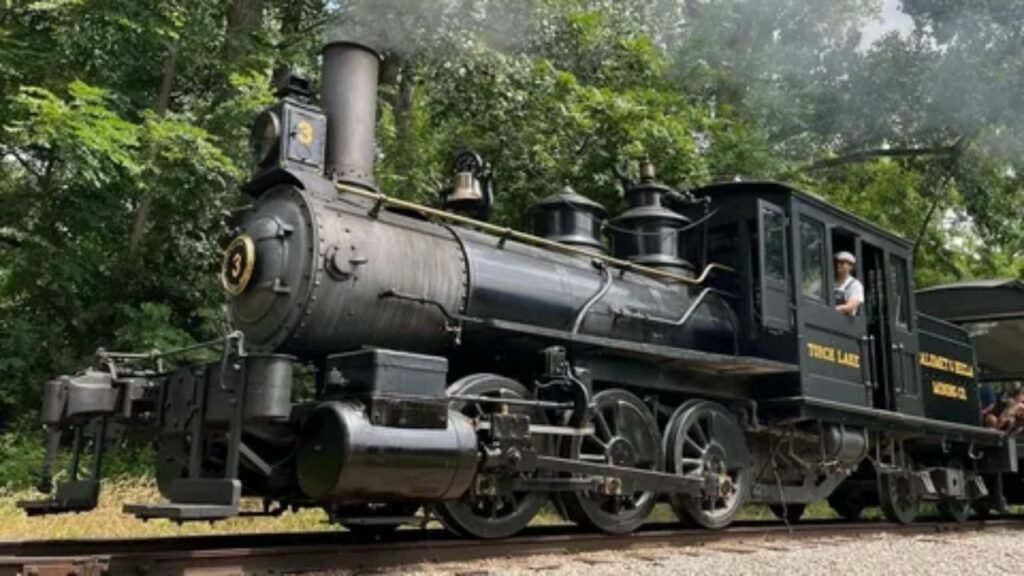
Steam model trains reproduce traditional locomotives that use steam power in real railway history. They often feature detailed chimneys, driving wheels, boilers, and classic designs.
These models are especially popular among railway history enthusiasts. Some advanced versions include smoke effects and realistic steam engine sounds.
Diesel Model Trains
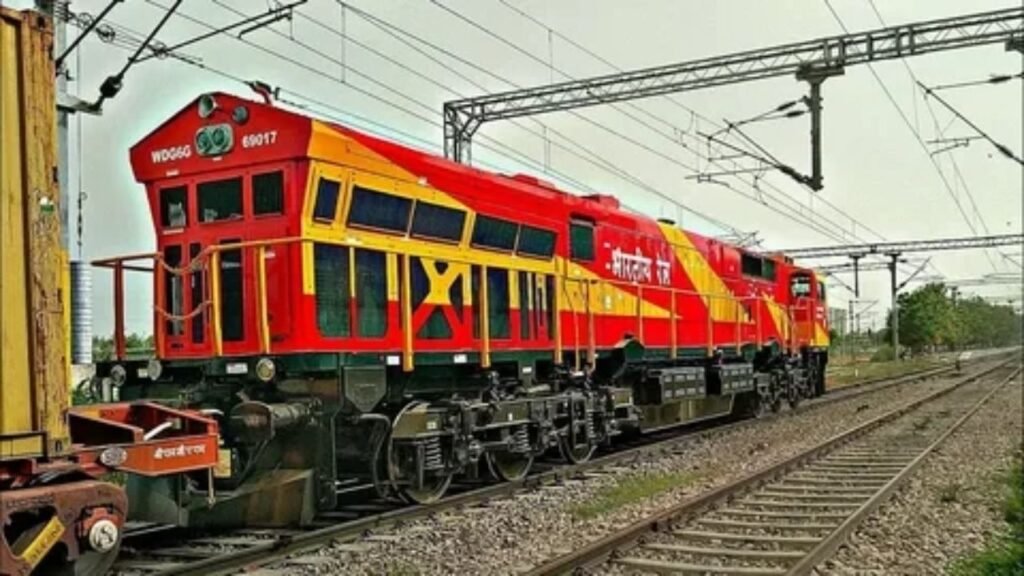
Diesel model trains represent locomotives powered by diesel engines. They usually have modern designs and are available in different colors and railway company liveries.
Many collectors prefer diesel models because they represent an important stage in railway development. They are also available in passenger and freight configurations.
Electric Model Trains
Electric model trains use electrical power to operate their motors. They are commonly controlled through a power supply or digital control system.
Some advanced electric models offer adjustable speed, direction control, sound effects, and realistic lighting. They are a popular choice for people building operational miniature railway layouts.
Popular Model Train Scales
Model train scales describe how much smaller a miniature train is compared with a real locomotive. Choosing the correct scale is important because it affects the size of the train, track requirements, available accessories, and layout space.
HO Scale
HO scale is one of the most popular model train sizes. It uses a ratio of 1:87, meaning the model is 87 times smaller than the real train.
This scale offers a good balance between realistic details and space requirements. It is suitable for beginners and experienced collectors.
N Scale
N scale commonly uses a ratio of 1:160. Its smaller size makes it useful for people who want to build detailed railway layouts in limited spaces.
Despite their compact dimensions, N-scale trains can include impressive details and realistic operating features.
O Scale
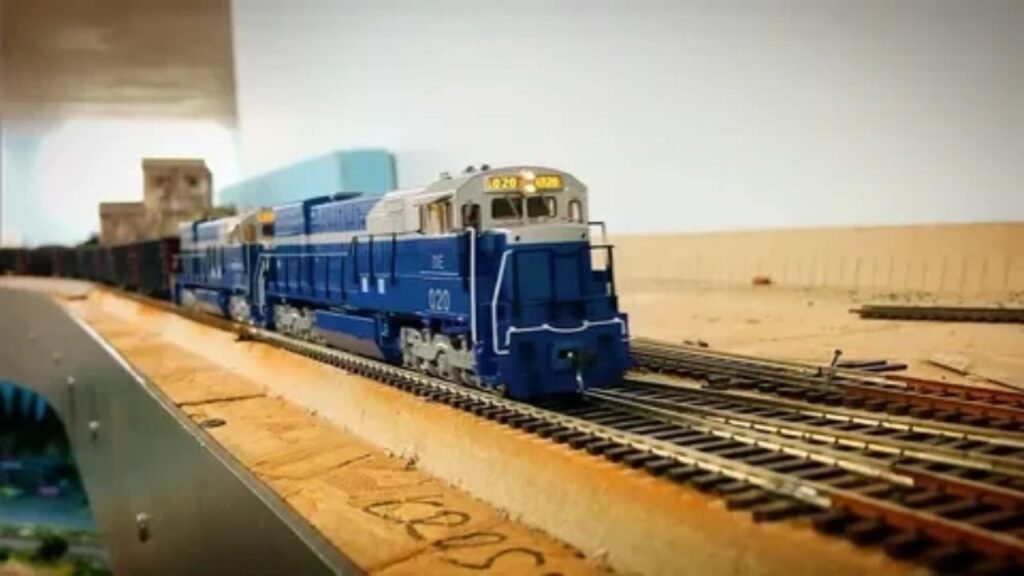
O scale commonly uses a ratio of 1:48 in North America. These models are larger than HO and N scale trains and often feature highly visible details.
O-scale trains are suitable for collectors who have enough room for larger layouts and accessories.
How Model Trains Work
Most operating model trains use an electric motor that moves the locomotive along specially designed tracks. In traditional systems, electricity is supplied through the rails, allowing the motor to turn the wheels and move the train forward or backward.
Modern model railway systems may use digital command control technology. This allows users to control multiple locomotives independently on the same track. Depending on the system, users can adjust speed, direction, lights, and sound effects.
Model Train Tracks and Accessories
Tracks are an essential part of every model railway setup. They provide the pathway on which miniature locomotives and coaches move. Tracks are available in different shapes and sizes, including straight sections, curves, switches, and crossings.
Accessories help make miniature railway layouts more realistic. Popular options include railway stations, platforms, tunnels, bridges, signals, miniature trees, roads, buildings, and small human figures. These details can transform a simple track into an attractive miniature railway environment.
How to Build a Model Train Setup
Building a model train setup is an enjoyable project that requires planning, creativity, and patience. Beginners should start with a small layout that includes a basic locomotive, a few coaches, a power supply, and a simple track arrangement.
After creating the basic railway, enthusiasts can gradually add stations, buildings, landscapes, bridges, and other accessories. It is important to test the track before adding decorative elements to ensure that the train moves smoothly without interruptions.
Best Materials Used in Model Trains
Model trains are manufactured using different materials depending on their price, design, and level of detail. Plastic is commonly used because it is lightweight, affordable, and easy to shape into detailed locomotive bodies and accessories.
Metal is also used in model train manufacturing, especially for wheels, frames, and certain components. Die-cast metal models are often heavier and can provide a premium appearance. Some layouts also use wood, foam, cardboard, and other materials to create realistic landscapes.
Benefits of Model Train Hobbies
Model trains provide several benefits beyond entertainment. Building railway layouts encourages creativity because hobbyists must plan tracks, design landscapes, and arrange miniature buildings. It also helps develop patience and problem-solving skills.
This hobby can introduce children and adults to basic engineering, electricity, transportation, and railway history. Collecting model trains can also create opportunities to connect with other enthusiasts through exhibitions, clubs, and online communities.
Model Trains for Beginners
Beginners should choose a model train set that includes the basic components needed to start operating a miniature railway. A starter set with a locomotive, coaches, tracks, and a power controller is usually a practical option.
It is better to begin with a simple layout instead of purchasing many expensive accessories immediately. Learning how to connect tracks, operate the locomotive, and maintain the equipment will make it easier to expand the collection over time.
How to Maintain and Clean Model Trains
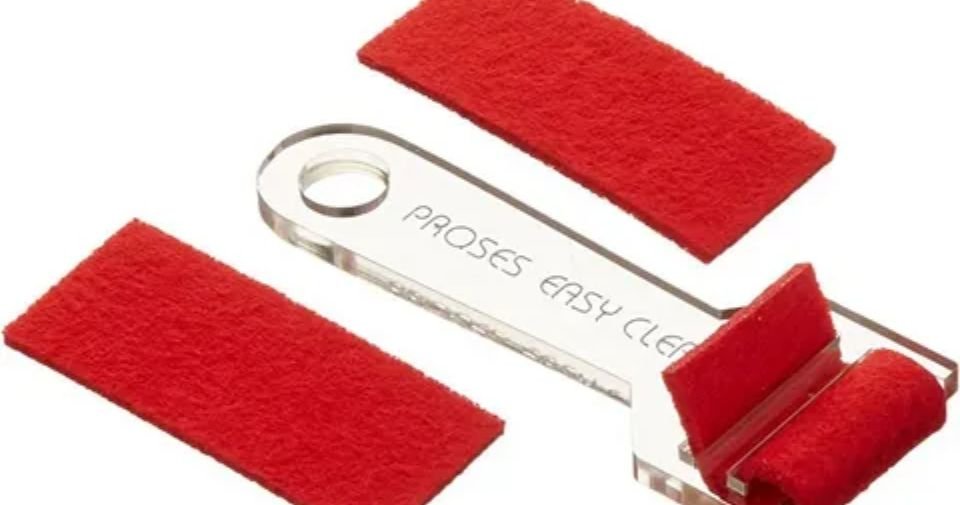
Regular maintenance helps model trains operate smoothly and remain in good condition. Dust, dirt, and small particles can collect on wheels and tracks, affecting movement and electrical connections.
Use a soft brush or suitable cleaning materials to remove dust from the locomotive and accessories. Clean the tracks regularly and follow the manufacturer’s instructions for lubrication and motor maintenance. Avoid using excessive liquid because it may damage electrical components.
Common Model Train Problems and Solutions
Model trains can sometimes experience operating problems, especially when tracks or electrical connections become dirty. A locomotive that stops suddenly may have dirty wheels, loose connections, or an interrupted power supply.
Another common issue is uneven movement caused by damaged tracks or problems with the locomotive’s motor. Checking the power supply, cleaning the wheels, and inspecting the track connections can solve many basic problems. For complicated mechanical issues, consult the manufacturer’s repair guidance.
Tips for Buying Your First Model Train
Choosing the right model train requires some research before making a purchase. First, decide how much space you have available and select a suitable scale. HO and N scales are useful options for different layout sizes.
Check the quality of the locomotive, track compatibility, available accessories, and operating features. Beginners should consider purchasing a complete starter set from a reliable manufacturer. Reading product reviews and checking replacement-part availability can also help you make a better decision.
Future of Model Train Technology
Model train technology continues to improve as manufacturers introduce more realistic designs and advanced operating systems. Digital controls, wireless operation, improved sound systems, and programmable features are making miniature railway experiences more interactive.
In the future, model trains may include more advanced automation, smartphone controls, and realistic lighting systems. These developments can make it easier for enthusiasts to operate multiple trains and create more detailed miniature railway environments.
Conclusion
Model trains offer an exciting way to explore railway history, technology, and creativity. From traditional steam locomotives to modern electric models, there are many options for collectors and beginners. Different scales, tracks, accessories, and control systems allow enthusiasts to create miniature railway layouts according to their interests and available space.Whether you want to start a new hobby, collect realistic locomotives, or build a complete miniature railway.
Frequently Asked Questions (FAQs)
1. What is a model train?
A model train is a miniature replica of a real locomotive or railway vehicle that can be displayed or operated on small tracks.
2. Which model train scale is best for beginners?
HO scale is a popular beginner-friendly option because it offers realistic details without requiring as much space as larger scales.
3. Do model trains run on electricity?
Yes, many model trains use electricity supplied through tracks or digital control systems to operate their motors.
4. Are model trains suitable for children?
Yes, age-appropriate model train sets can help children develop creativity, patience, and an understanding of basic engineering.
5. How do you maintain a model train?
Clean the tracks and wheels regularly, remove dust, inspect electrical connections, and follow the manufacturer’s maintenance instructions.