Traveling by train can be comfortable, convenient, and enjoyable, but a journey does not always go exactly according to the planned schedule. Trains can experience delays, platform changes, cancellations, or unexpected service disruptions. This is why checking a train status before leaving home and during a journey can be very useful.
A train status gives passengers important information about a particular service. Depending on the railway system, it may show the scheduled departure, estimated arrival, current delay, platform information, or other travel updates. With access to online services, checking train information has become much easier than relying only on printed timetables.
Whether you are traveling for work, visiting family, taking a holiday, or connecting to another train, understanding how train status information works can help you plan your journey with greater confidence.
What Does “A Train Status” Mean?
A train status refers to the current or latest information about a specific train service. It can tell passengers whether a train is running on time, delayed, cancelled, departed, or approaching a particular station.
A normal train schedule usually provides planned times. However, live train status can provide updated information when something changes. For example, if a train was supposed to leave at 6:00 PM but is now expected to depart at 6:20 PM, the live status may show the updated departure time.
Depending on the railway operator, passengers may also see information about the train’s route, stops, estimated arrival time, platform, and service disruptions.
This information is especially helpful when a passenger needs to reach a station at a particular time or has another connection to catch.
Why Is Checking a Train Status Important?
Checking the latest train information before traveling can save time and reduce uncertainty. A train may be operating normally in the morning but experience a delay later in the day because of weather, technical problems, maintenance, or other operational issues.
When passengers check the train status before leaving, they can find out whether their service is running according to schedule. If there is a significant delay, they may have more time to adjust their plans.
Train status information is also useful for people meeting someone at a station. Instead of waiting based only on the original train arrival time, they can check the latest estimated arrival information.
For longer journeys, checking updates during the trip can also help passengers understand whether their expected arrival time has changed.
How to Check a Train Status
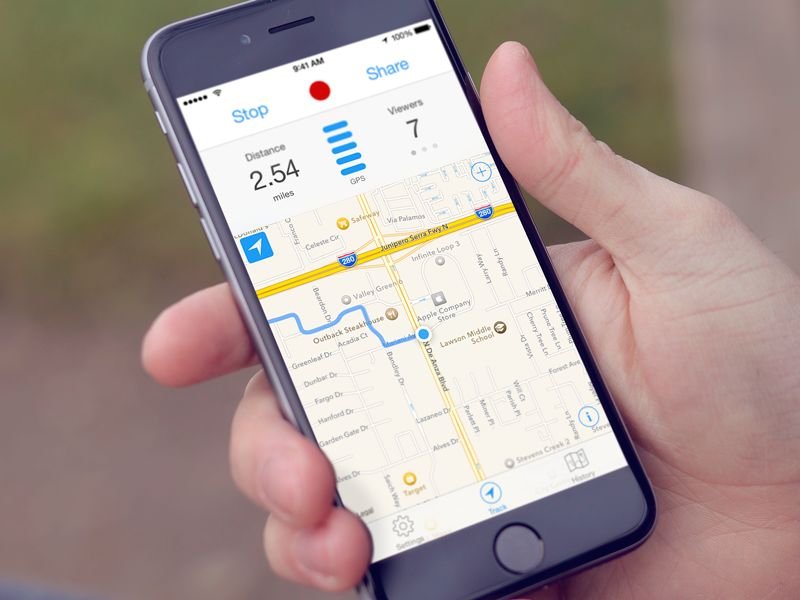
There are several common ways to check train information. The exact options depend on the railway operator and country, but the basic process is usually simple.
Official Railway Websites
Many railway systems provide online services where passengers can search for a train using its number, route, station, or travel date. These services may display scheduled and updated information.
Official railway websites are often a useful starting point because they can provide information directly from the train operator or railway system.
Railway or Train Operator Apps
Some railway operators offer mobile applications. These apps may allow passengers to search for services, view train updates, receive notifications, and check journey information.
If an official app is available, passengers can keep it on their phone and check updates while traveling.
Station Information Boards
Passengers who are already at the station can check electronic information boards. These boards commonly show departures, arrivals, platforms, delays, and other announcements.
Station boards can be particularly useful when a platform changes shortly before departure.
Customer Service
If online information is unclear, passengers can contact the railway operator’s customer service or ask station staff. This can be useful when there is a major disruption or when a passenger needs clarification about a particular service.
Train Tracking Services
Some train tracking services provide live or near-live information about trains. Depending on the service, passengers may be able to see where a train is along its route.
However, information can vary between tracking services, so passengers should compare important updates with official railway information when possible.
Notifications and Travel Alerts
Some railway services provide notifications about delays, cancellations, or changes. Enabling available travel alerts can help passengers receive important train journey updates without repeatedly searching for them.
What Information Can You Find From a Train Status?
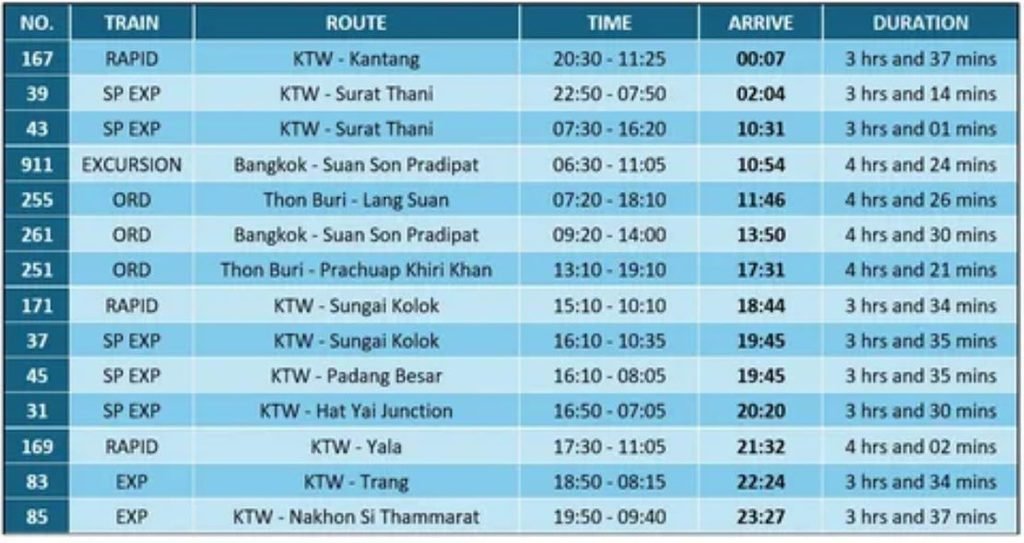
The information shown on a train status page can vary, but several details are commonly available.
Scheduled departure: This is the original planned departure time.
Estimated departure: This is the latest expected time the train will leave when a change has occurred.
Actual departure: After a train leaves, the system may show the time it actually departed.
Scheduled arrival: This is the original planned arrival time at a destination or station.
Estimated arrival: This shows the expected arrival based on the latest available information.
Delay information: A status page may show whether the train is running late and, in some cases, the approximate length of the delay.
Cancellation notices: If a service has been cancelled, the status may clearly indicate the cancellation.
Platform information: Some systems provide the platform or track from which the train is expected to depart.
Route updates: Passengers may receive information about changes affecting the train’s route or stops.
Service disruptions: Major problems affecting railway operations may also appear as alerts or notices.
How to Check a Train Status Using a Train Number
A train number can make train tracking easier because it identifies a particular service. Routes can sometimes have several trains traveling between the same stations, so searching by train number can help passengers find the correct one.
First, find the train number on your ticket, booking confirmation, or travel information. Then open the official railway website or an available train-status service.
Enter the train number into the appropriate search field and select the relevant date if required. Check the displayed departure station, destination, scheduled times, and current status to make sure you have selected the correct train.
Always check the date and route carefully because similar train numbers or services can sometimes operate on different days or routes.
How Train Delays Affect Your Journey

Train delays can happen for many different reasons. Weather conditions, technical problems, track maintenance, congestion, operational issues, and unexpected incidents can all affect railway services.
A short delay may have little effect on a passenger’s plans, while a longer delay can affect connecting trains, hotel check-in times, work schedules, or other activities.
One important thing to remember is that estimated times can change. A train that is shown as arriving 20 minutes late may later arrive earlier or later than the initial estimate.
For this reason, passengers should continue checking train updates when a service is delayed, particularly if they have another connection to catch.
How Accurate Is Live Train Status?
Live train status is designed to provide updated information, but it should not always be treated as an exact prediction. Railway conditions can change quickly, especially during disruptions.
There is an important difference between a scheduled time and an estimated time. A scheduled time is part of the planned timetable, while an estimated time reflects the latest available information about the actual journey.
A train may also move through areas where tracking information is delayed or temporarily unavailable. As a result, the displayed status can sometimes take time to update.
For important journeys, checking the latest information shortly before departure and paying attention to station announcements is a sensible approach.
Train Status vs. Train Schedule
A train schedule shows the planned timetable for a railway service. It normally tells passengers when a train is expected to depart and arrive.
A train status, on the other hand, focuses on the current condition of the service.
For example, a schedule might show that a train is planned to leave at 8:00 AM and arrive at 11:30 AM. If the train is delayed, its current status might show a later estimated departure and arrival time.
In simple terms, the schedule tells you what is planned, while the status helps you understand what is happening now.
Both types of information are useful. The schedule is important when planning a journey, while live status becomes especially valuable close to departure and during travel.
What to Do If Your Train Is Delayed
If your train is delayed, the first step is to check the latest information. Avoid relying only on an old notification or the original timetable.
Look at the railway operator’s latest update and listen to announcements at the station. If you are traveling to another destination by connecting train, check whether the delay could affect your connection.
If alternative services are available, review them carefully before changing your plans. Ticket rules can differ, so check the applicable conditions before boarding another service.
If you are picking someone up, use the latest estimated arrival time rather than the original scheduled time.
Most importantly, remain aware that the estimated delay can change as the journey continues.
What to Do If a Train Is Cancelled
A cancellation can be more disruptive than a normal delay. If your train is cancelled, check the railway operator’s latest instructions before making alternative arrangements.
Look for information about replacement services, alternative trains, or other available travel options. If you have purchased a ticket, review the operator’s rules regarding changes, refunds, or alternative travel.
Do not assume that every ticket automatically works on every alternative service. The conditions depend on the railway operator and ticket type.
When possible, confirm your alternative travel arrangements through an official source or railway staff.
Tips for Checking Train Status Before Traveling
A few simple habits can make checking train information easier.
- Check the status shortly before leaving: The latest information can be more useful than an earlier timetable check.
- Confirm the train number: Make sure you are checking the correct service.
- Check the departure station carefully: Large cities may have multiple stations.
- Look for delay or cancellation notices: Do not focus only on the scheduled departure time.
- Recheck the status while traveling: Updates can change during a journey.
- Use official sources whenever possible: Official information can help you confirm important changes.
- Keep important travel information available: Save your ticket, train number, departure station, and destination where you can access them easily.
These small steps can help make train travel more organized and reduce surprises at the station.
Frequently Asked Questions
1. What is a train status?
A train status provides current or updated information about a specific train. It may show whether the train is on time, delayed, cancelled, departed, or expected to arrive at a particular time.
2. How can I check a train status?
You can usually check it through an official railway website, train operator app, station information board, customer service, or an available train tracking service.
3. Can I check a train using its train number?
Yes. Many train-status services allow passengers to search using a train number. The number can help identify the correct service more easily.
4. Does train status show delays?
In many railway systems, train status can show delays and updated estimated departure or arrival times. The exact information depends on the operator.
5. How often should I check train status?
For important journeys, check shortly before leaving for the station and check again if you are waiting for a delayed train or making a connection.
Conclusion
Checking a train status is a simple but valuable part of planning a railway journey. A train schedule tells you what is planned, while live train status can help you understand whether the service is running on time or experiencing a delay, cancellation, or other change.Before heading to the station, confirm your train number, departure station, and latest travel information. During the journey, continue checking updates when necessary, especially if you have a connecting service.