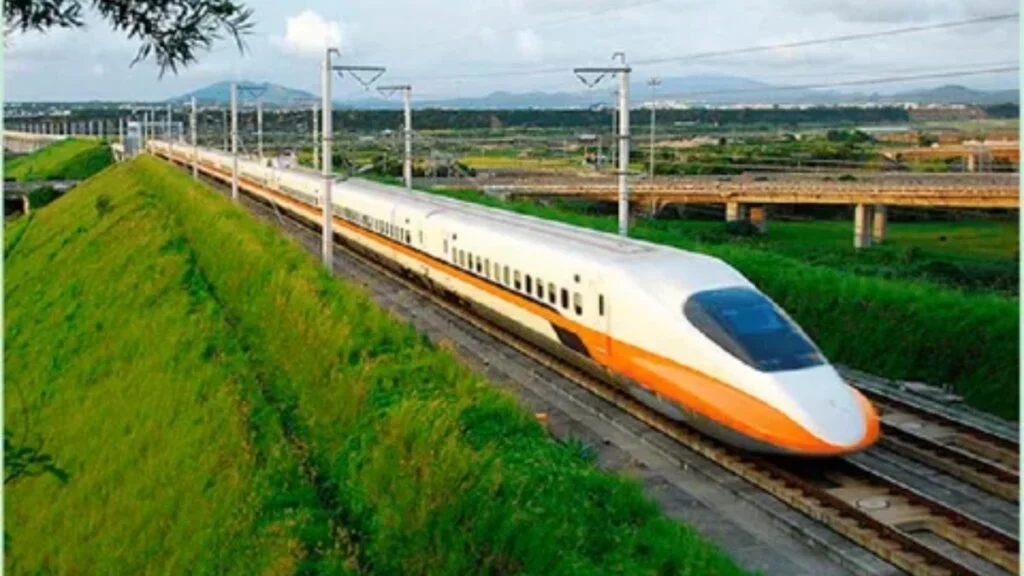
Railway travel has been an important part of transportation for generations. From short journeys between nearby cities to long-distance trips across countries, railways provide people with a practical way to travel. Trains can carry large numbers of passengers while also transporting goods, making railway networks an important part of modern transportation.
Today, railways are not limited to traditional trains running on old tracks. Modern railway systems include high-speed trains, electric rail networks, underground trains, commuter services, and advanced signaling systems. These developments have made railway travel faster, safer, and more convenient for millions of people.
What Is a Railway?
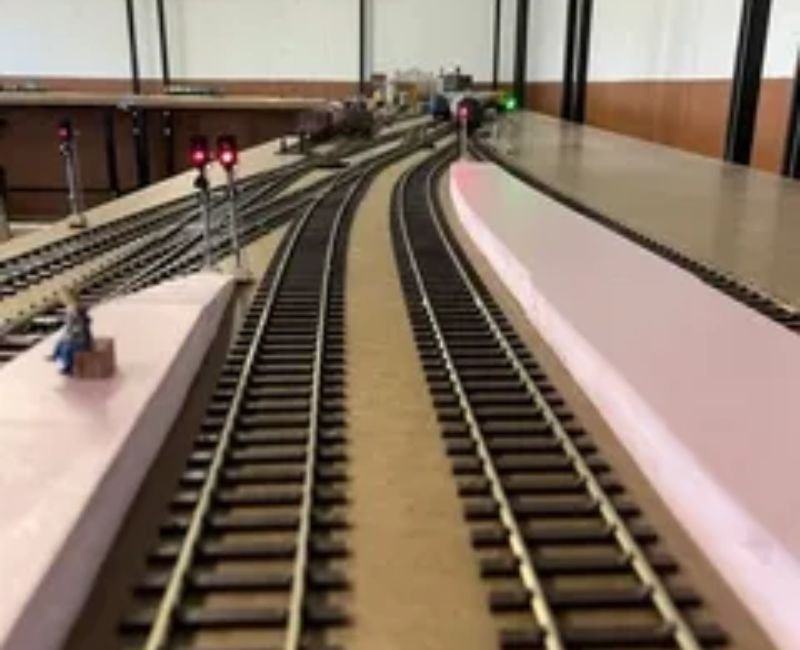
A railway is a transportation system in which trains travel along specially constructed tracks. A railway network usually includes tracks, stations, bridges, tunnels, signals, crossings, and other infrastructure needed to operate trains.
Railways can be used for both passenger and freight transportation. Passenger trains take people from one location to another, while freight trains carry products such as food, fuel, construction materials, machinery, and other goods.
Railway systems can range from small local networks to huge national and international rail networks. Their design depends on geography, population, travel demand, and the type of services they provide.
How Does a Railway System Work?
A railway system depends on several connected components working together. Tracks provide the route for trains, while stations allow passengers to board and leave trains. Signals help control train movements and reduce the risk of accidents.
Modern railway networks also use communication and control systems to monitor trains. Railway operators can track train locations, manage schedules, and respond to changes in traffic conditions.
Electric railways receive power through electrical systems, while other trains may use onboard engines. Regardless of the technology, the basic goal remains the same: move passengers and goods safely and efficiently between different locations.
Different Types of Railway Services

Railway services are designed for different travel needs. Some trains operate within cities, while others connect distant regions.
1. Local Trains
Local trains generally operate over short distances and make frequent stops. They are especially useful for people who travel regularly between residential areas and city centers.
2. Intercity Trains
Intercity trains connect major cities and towns. They usually travel farther than local trains and may provide comfortable seating, luggage space, food services, and other facilities.
3. High-Speed Trains
High-speed railways are designed to reduce travel time between major cities. These trains can travel at very high speeds on specially designed tracks and are popular in countries with advanced rail infrastructure.
4. Freight Trains
Freight trains transport goods rather than passengers. They can carry large quantities of materials over long distances and play an important role in supply chains.
5. Commuter Rail
Commuter rail services are designed for regular travelers, particularly people who live outside major cities but work or study in urban areas. These services often operate frequently during busy morning and evening periods.
Benefits of Railway Travel
Railway travel offers several advantages compared with some other forms of transportation.
Comfortable Journeys
Passengers can often move around, read, work, or relax during a train journey. This can make long-distance travel more comfortable than driving for many people.
Large Passenger Capacity
A single train can carry a large number of passengers. This makes railways particularly useful in areas with high travel demand.
Efficient Transportation
Railways can move people and goods over long distances using organized routes and scheduled services. This makes them an important part of transportation infrastructure.
Reduced Road Traffic
When more people use trains, fewer private vehicles may be needed on busy roads. This can help reduce congestion in areas where railway services are convenient and reliable.
Useful for Freight
Railways can transport heavy and bulky goods efficiently. Industries often depend on freight rail to move raw materials and finished products.
Railway Stations and Their Importance
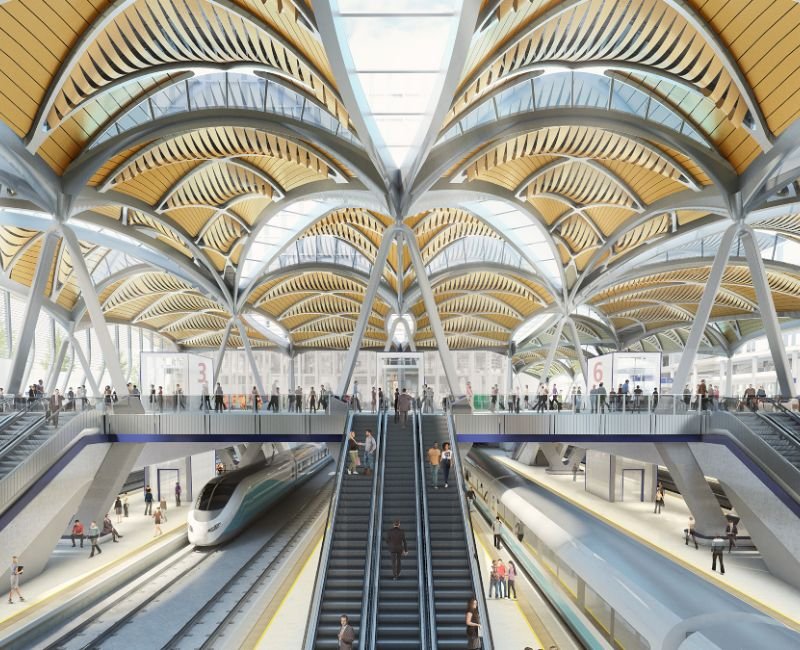
A railway station is more than simply a place where trains stop. It is a central part of the railway system where passengers can purchase or collect tickets, wait for trains, board carriages, and leave after reaching their destination.
Large railway stations may include waiting areas, information desks, ticket counters, shops, restaurants, restrooms, parking areas, and connections to buses or other transportation services.
Modern stations may also use electronic displays and announcements to provide information about train numbers, platforms, departure times, and delays.
How to Plan a Railway Journey
Planning a railway trip can make the journey easier and more organized. The first step is to choose the destination and check available train services.
Passengers should review the departure and arrival times before selecting a train. It is also useful to check the type of train, travel duration, ticket class, luggage rules, and available facilities.
After choosing a suitable service, passengers can purchase a ticket through an official railway website, mobile application, ticket office, or authorized booking service, depending on the railway system.
On the day of travel, arriving at the station early gives passengers enough time to find the correct platform and board without unnecessary stress.
Railway Tickets
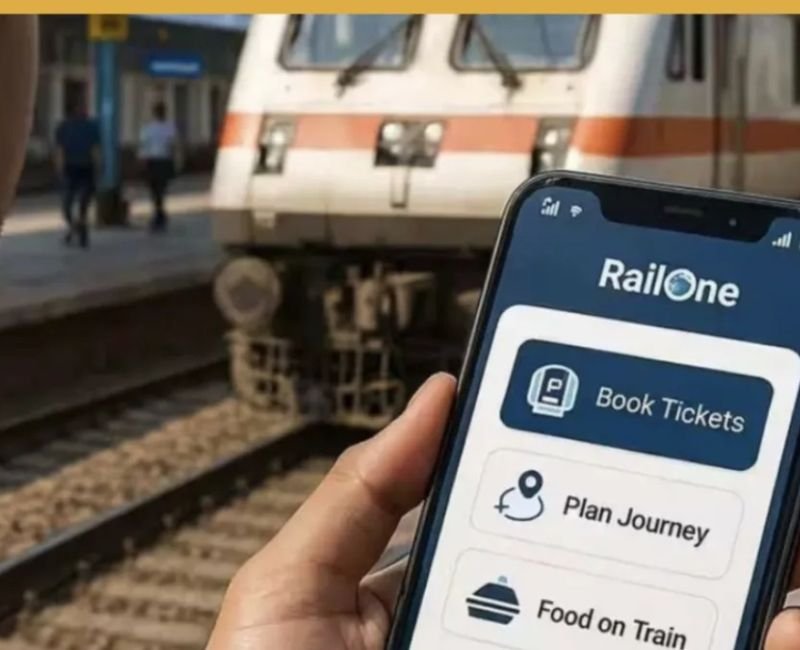
Railway tickets contain important information about a journey. Depending on the railway operator, a ticket may include the passenger’s name, train number, travel date, departure station, destination, seat or coach information, and ticket class.
Some railway systems offer different ticket classes. Economy or standard tickets are generally designed for affordable travel, while higher classes may provide additional comfort and services.
Passengers should always check the conditions attached to their ticket. Some tickets may allow changes or refunds, while others may have restrictions.
Railway Safety
Safety is one of the most important parts of railway transportation. Railway operators use tracks, signals, communication systems, maintenance programs, and trained staff to keep services operating safely.
Passengers also have an important role to play. They should follow station signs, stay behind safety lines where required, avoid crossing tracks, and listen to official announcements.
When boarding or leaving a train, passengers should take their time and make sure they are using the correct door and platform. Following railway rules helps create a safer environment for everyone.
Modern Railway Technology
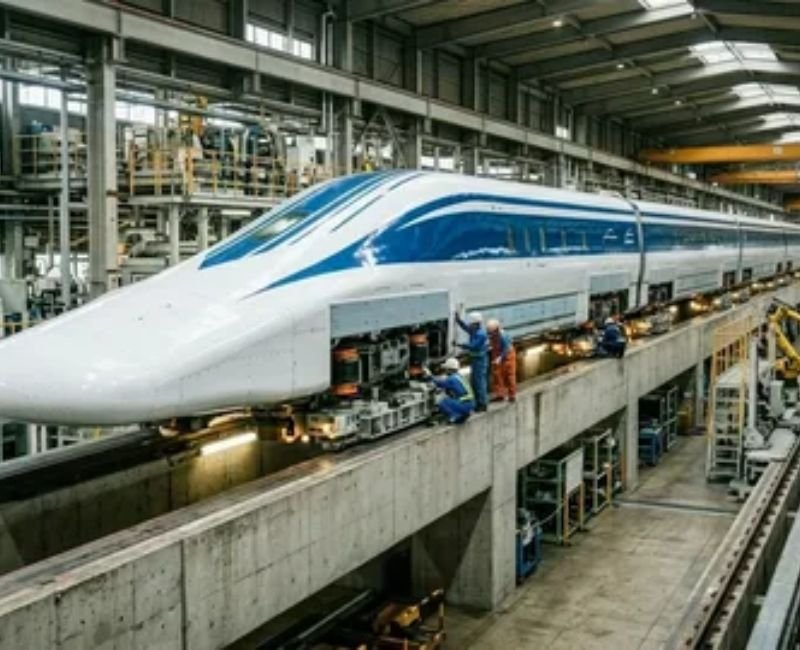
Technology has transformed the railway industry. Modern trains may include digital displays, automatic doors, improved braking systems, onboard internet, advanced passenger information systems, and energy-efficient equipment.
Railway operators also use technology to monitor tracks and train performance. Sensors and automated systems can help identify maintenance requirements before they become major problems.
High-speed rail has also introduced advanced engineering techniques that allow trains to travel quickly while maintaining controlled and stable operations.
Railway and the Environment
Railways are often considered an important part of sustainable transportation. Electric trains can operate without producing direct exhaust emissions at the train itself, although the overall environmental impact depends on how the electricity is generated.
Rail transport can also move many passengers or large quantities of goods in a single journey. This can make railways an efficient option for certain transportation needs.
However, railway construction and maintenance also require energy, materials, land, and investment. The environmental benefits therefore depend on how the railway network is designed, powered, maintained, and used.
The Future of Railways
The railway industry continues to develop as technology and transportation needs change. Future railway systems may become more automated, connected, efficient, and passenger-friendly.
Digital ticketing is already making travel simpler in many locations. Passengers can increasingly use mobile devices to search schedules, purchase tickets, and receive travel information.
High-speed rail networks may also expand in regions where faster connections between major cities are needed. Improvements in battery technology, electric systems, signaling, and train design could further influence the future of railway transportation.
Another important area is accessibility. Future stations and trains are likely to focus more on making travel easier for passengers with different mobility and accessibility needs.
Railway Travel Tips for Passengers
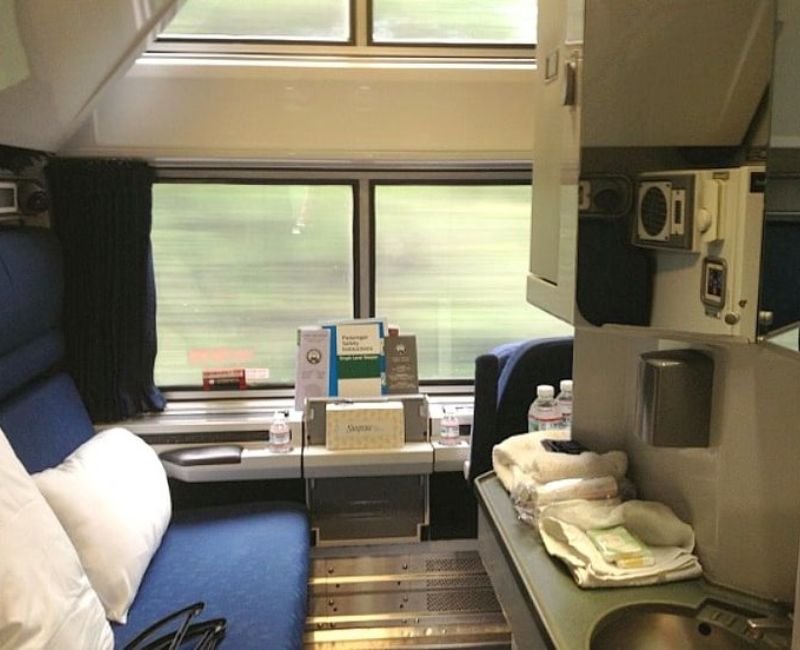
A few simple habits can make a railway journey smoother.
- Check your train schedule before leaving home.
- Keep your ticket and identification documents accessible when required.
- Arrive at the station with enough time to find your platform.
- Confirm the train number and destination before boarding.
- Keep valuable belongings secure during the journey.
- Follow railway safety signs and staff instructions.
- Check luggage rules before traveling.
- Keep important travel information available on your phone or in printed form.
- Be respectful of other passengers.
- Check for schedule updates if your journey involves connections.
Frequently Asked Questions About Railway
What is a railway?
A railway is a transportation system consisting of tracks and related infrastructure that allows trains to carry passengers or goods between different locations.
What are the main types of railways?
Common types include local railways, commuter rail, intercity trains, high-speed rail, and freight railways. Different systems are designed for different transportation requirements.
Why are railways important?
Railways provide transportation for passengers and goods, connect cities and regions, support businesses, and can help reduce pressure on busy roads.
Are railway journeys safe?
Railway systems use safety procedures, signaling technology, track maintenance, trained staff, and operating rules to support safe travel. Passengers should also follow station and train safety instructions.
Can I buy railway tickets online?
Many railway operators provide online ticket booking through their official websites or mobile applications. Availability and booking methods vary by country and railway company.
Conclusion
Railways remain one of the world’s most important transportation systems. They connect communities, support trade, carry passengers, and provide an alternative to road and air travel. From local commuter trains to modern high-speed services, railway networks continue to evolve with new technology and changing travel needs.For passengers, understanding how railway services, tickets, stations, and safety systems work can make every journey easier. As investment and innovation continue, railways are likely to remain an important part of transportation for many years to come.