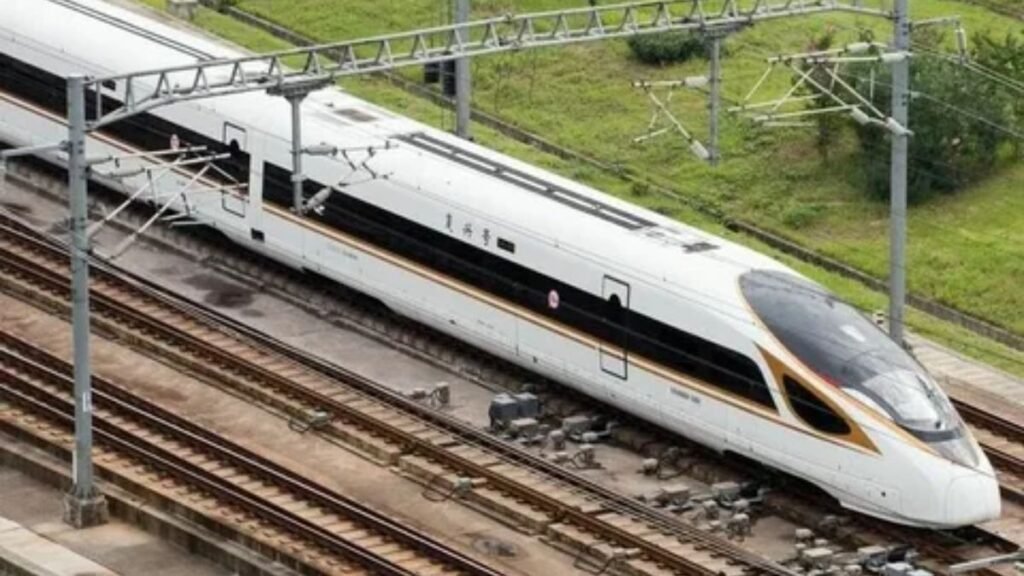
Rail travel has played an important role in connecting people, cities, and regions for generations. A railtrain provides an organized way to move passengers and goods along dedicated railway tracks. From traditional locomotives to modern electric and high-speed services, trains have continued to develop as transportation needs have changed.
Today, rail transportation is used for short daily commutes, long-distance journeys, freight movement, and tourism. Modern rail systems combine trains, railway stations, tracks, signals, technology, and professional operations to provide organized transportation. Understanding how these systems work can make train travel easier and more interesting.
What Is railway train?
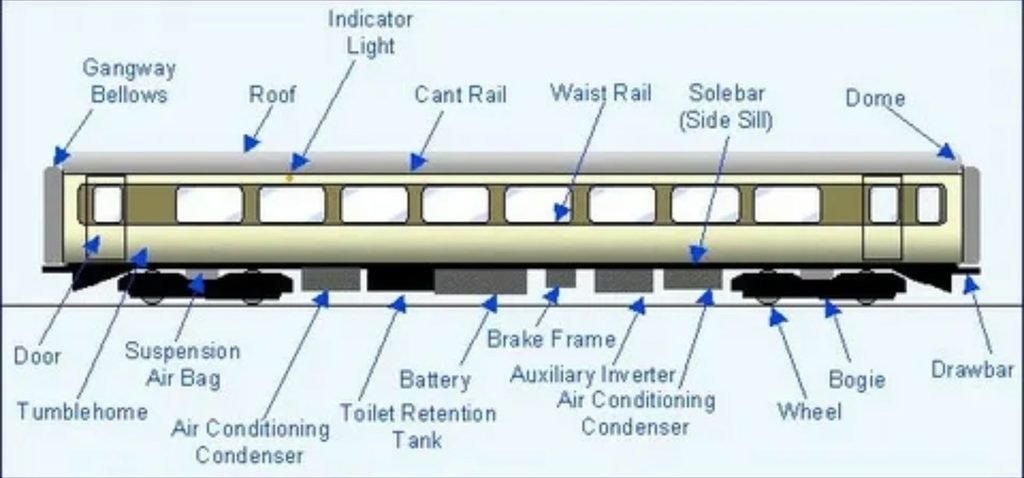
A rail train is a train designed to travel along a railway track using specially designed wheels that keep it aligned with the rails. Depending on its purpose, a train can carry passengers, freight, or a combination of different loads.
A typical rail train may include a locomotive, passenger coaches, freight cars, or multiple powered units. Some modern trains have motors built into several cars rather than relying on one separate locomotive.
Important components of a train include:
- Locomotive or power unit: Provides the energy needed to move the train.
- Railway coaches: Carry passengers on passenger services.
- Freight cars: Transport goods and materials.
- Wheels and axles: Keep the train moving along the rails.
- Braking systems: Help control speed and stop the train.
- Couplers: Connect different cars together.
- Signaling equipment: Helps manage train movements safely.
Because trains operate on fixed routes, railway systems require careful scheduling, maintenance, and coordination.
History of Rail Trains
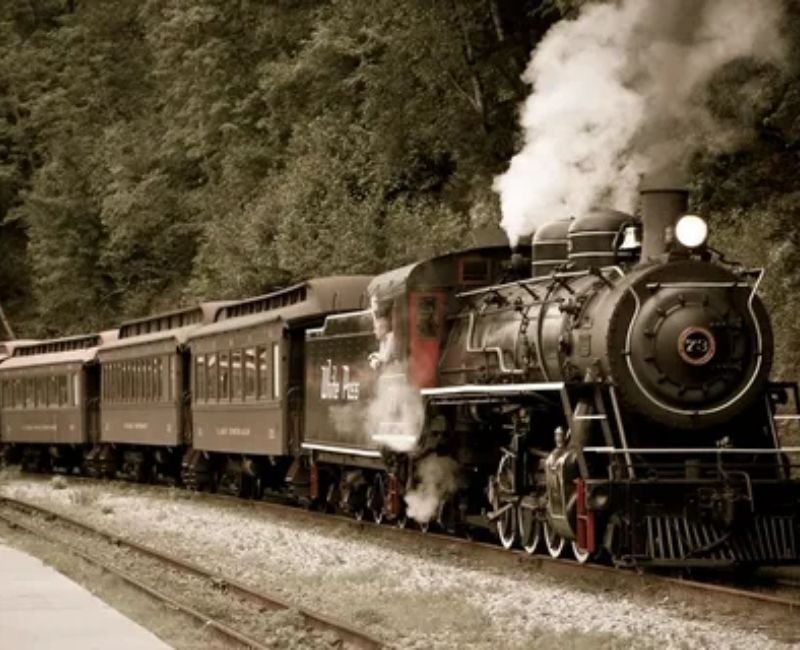
The development of rail trains changed transportation by making it possible to move people and goods over land more efficiently than many earlier forms of transport.
Early railway systems used simple rail vehicles powered by animals or other basic methods. The introduction of steam locomotives brought a major change. Steam-powered trains could travel longer distances while carrying larger numbers of passengers and heavier loads.
As engineering improved, railways introduced more powerful locomotives, better tracks, improved brakes, and safer signaling systems. Diesel locomotives later became common on many railway networks, while electric trains became increasingly important in areas with suitable infrastructure.
Modern railways now include conventional passenger trains, commuter services, high-speed trains, automated systems, and specialized freight networks. This long development has transformed the railway from a basic transportation system into a complex modern network.
How Does a railway train Work?
A rail train works by converting energy into movement while its wheels remain guided by railway tracks. The exact method depends on the type of train.
Diesel trains use engines to produce power, while electric trains receive electricity through systems such as overhead wires or electrified rails. Some trains use multiple powered units, distributing motors throughout the train instead of concentrating all the power in one locomotive.
The wheels and axles are designed specifically for railway operation. Their shape helps keep the train aligned with the rails as it travels around curves and along straight sections of track.
Braking is another important part of train operation. Modern trains use sophisticated braking systems that allow operators and automated controls to manage speed and stopping distances.
Railway signaling also plays a major role. Signals and communication systems provide information about train movements and track conditions. Together with timetables, control centers, and railway staff, these systems help organize traffic across busy networks.
Different Types of Rail Trains
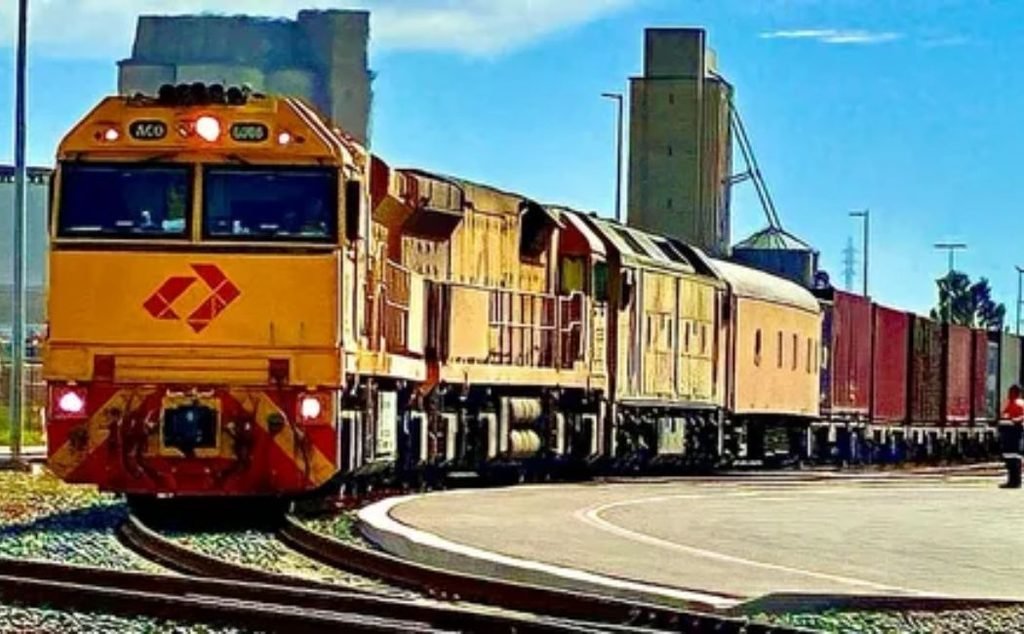
Rail trains come in many forms because railway networks serve different transportation needs.
Passenger Trains
Passenger trains are designed to carry people between stations. They can operate within cities, between nearby towns, or across long distances. Passenger services may include seating areas, luggage spaces, restrooms, and other facilities depending on the route.
Commuter Trains
Commuter trains are mainly used for regular travel between residential areas and major employment or business centers. They often make frequent stops and operate on busy schedules during peak travel periods.
High-Speed Trains
High-speed trains are designed to travel at much higher speeds than conventional rail services. They generally require specially designed tracks, advanced signaling, and carefully maintained infrastructure.
Intercity Trains
Intercity trains connect major cities and regional centers. They are designed for journeys that are usually longer than daily commuter trips but may not require high-speed infrastructure.
Freight Trains
Freight trains transport goods rather than passengers. They can carry products such as agricultural materials, manufactured goods, construction supplies, and other cargo. Freight rail plays an important role in moving large quantities of goods across long distances.
Tourist and Scenic Trains
Tourist trains focus on the travel experience as well as transportation. They may operate through areas known for mountains, coastlines, forests, historic locations, or other scenic landscapes.
Benefits of railway train Travel
Rail train travel offers several practical advantages for passengers and transportation networks.
Comfort: Passengers can often move around more easily than they can in many road vehicles. Larger trains may provide spacious seating and facilities for longer journeys.
Efficient transportation: A single train can carry many passengers or a large quantity of goods, making rail useful for busy transportation corridors.
Reduced road congestion: When people use trains instead of individual road vehicles, fewer vehicles may be needed on busy roads.
Long-distance travel: Railways can connect cities and regions over considerable distances, providing another option besides road or air travel.
Organized schedules: Many railway services operate according to published timetables, allowing passengers to plan their journeys in advance.
Potential environmental benefits: Rail transportation can be energy-efficient, particularly when large numbers of passengers or significant quantities of freight are transported in one service. The environmental impact varies according to the train, energy source, infrastructure, and level of passenger or freight use.
Rail Trains and Modern Transportation
Modern rail systems have become increasingly connected with digital technology. Passengers can often check schedules, purchase tickets, receive travel updates, and access journey information through websites or mobile applications.
Electrification is another important development. Electric trains can operate using electricity supplied through railway infrastructure, reducing the need for onboard fossil-fuel engines on electrified routes.
Modern trains may also include digital displays, automated announcements, improved accessibility features, onboard Wi-Fi, electronic ticketing, and advanced passenger information systems.
Railway operators also use technology behind the scenes. Monitoring equipment, communication networks, computerized scheduling, and maintenance systems help operators manage railway services and infrastructure.
railway train Stations and Infrastructure
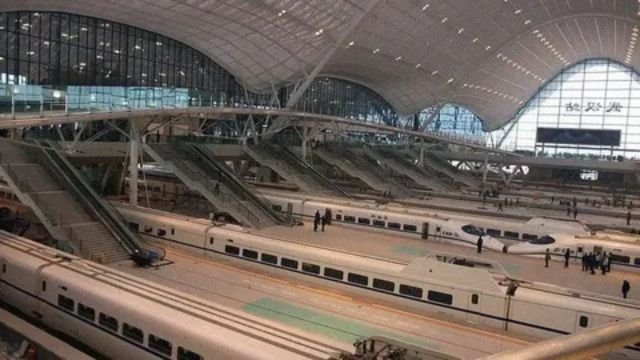
A rail train depends on much more than the train itself. A complete railway system includes stations, tracks, bridges, tunnels, signals, power systems, maintenance facilities, and control centers.
Railway stations provide places where passengers can enter and leave trains. Larger stations may contain multiple platforms, waiting areas, ticket facilities, information displays, shops, and connections to buses or other forms of transportation.
Railway tracks provide the physical route for trains. Tracks must be regularly inspected and maintained because their condition directly affects safe and reliable operations.
Signals help control the movement of trains. In busy railway networks, signaling systems are essential for coordinating multiple services and reducing the risk of trains entering the same section of track at the wrong time.
Bridges and tunnels allow railways to cross rivers, roads, mountains, and other obstacles. Each part of the infrastructure requires regular inspection and maintenance.
railway train Travel Tips
Planning ahead can make a rail journey more convenient.
Check the Train Schedule
Before leaving, check the departure time, arrival time, route, and station information. Schedule changes can occur, so checking current information is useful.
Arrive at the Station Early
Arriving early gives you enough time to locate the correct platform, check your ticket, and board without unnecessary stress.
Keep Your Travel Documents Ready
Keep your ticket and any required identification easily accessible. Digital tickets should be available on your phone if the railway operator accepts them.
Choose Suitable Seating
For longer journeys, consider your comfort and personal travel needs when selecting a seat. If available, some services allow passengers to choose seats during booking.
Follow Railway Safety Rules
Stay behind designated safety lines, use official crossings, follow platform instructions, and listen to railway announcements. Never enter restricted railway areas.
The Future of Rail Trains
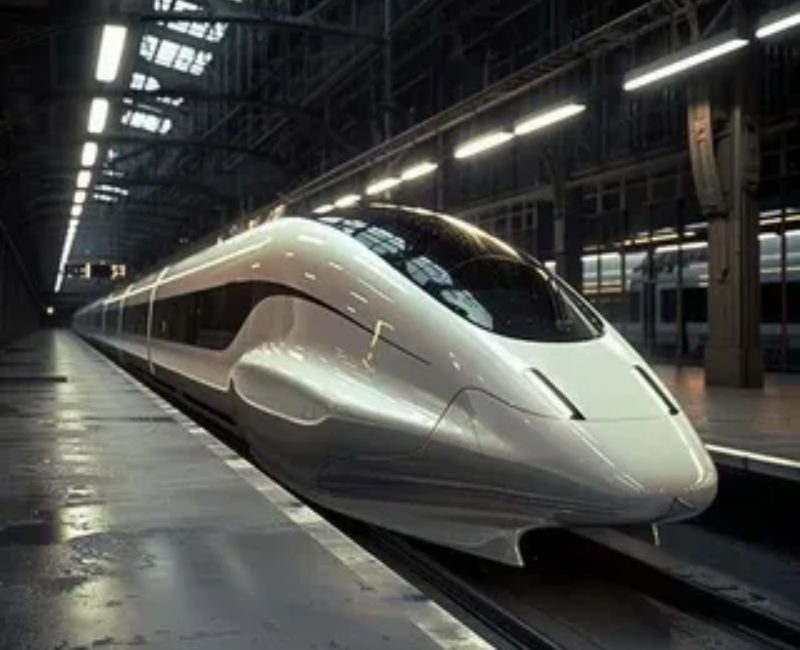
The future of rail transportation is closely connected with technology, efficiency, and improved passenger services. High-speed rail networks continue to develop in various parts of the world, while electric trains are becoming an important part of modern railway planning.
Automation may also influence railway operations. Digital control systems can help monitor train movements, manage schedules, and provide information to operators. Advances in sensors and communication technology may improve how railway infrastructure is monitored and maintained.
Smart railway systems could make it easier to identify maintenance needs before they become major problems. Digital ticketing and real-time travel information can also make journeys more convenient for passengers.
As cities grow and transportation demand changes, rail systems may continue to serve as an important part of integrated public transportation networks.
Frequently Asked Questions About Rail Trains
What is a railway train?
A rail train is a train designed to travel on railway tracks. It may transport passengers, freight, or both depending on its design and purpose.
How does a railway train work?
A rail train uses an energy source such as diesel or electricity to produce movement. Its wheels and axles keep it aligned with the railway tracks, while braking and signaling systems help control its operation.
What are the main types of rail trains?
Common types include passenger trains, commuter trains, high-speed trains, intercity trains, freight trains, and tourist or scenic trains.
Are rail trains suitable for long-distance travel?
Yes. Many railway systems provide long-distance services connecting cities and regions. The comfort, journey time, and onboard facilities depend on the specific train and route.