
Traveling by train is one of the most convenient and enjoyable ways to explore different destinations. Whether you are planning a short local trip or a long-distance journey, understanding how to catch a train from a station can make your experience easier. Railway stations connect cities, towns, and communities while providing essential services for millions of passengers.
For first-time travelers, finding the correct train, checking departure times, purchasing tickets, and locating platforms may seem confusing. However, with a little preparation, the entire process becomes simple. This guide explains everything you need to know about taking a train from a station, from planning your journey to boarding safely and comfortably.
Understanding How Train Stations Work
A train railway station is an important transportation facility where passengers board and leave trains. It serves as a central point for travelers moving between different destinations. Most stations have platforms, ticket counters, waiting areas, information displays, and other facilities designed to support passengers.
Train stations also help manage railway operations by organizing arrivals, departures, and passenger movement. Smaller stations may offer basic services, while larger stations often include restaurants, shopping areas, luggage facilities, and customer assistance desks.
How to Find a Train from Your Station
Finding the right train starts with knowing your departure station and destination. You can use railway websites, mobile applications, or station information desks to discover available services. Enter your starting location and destination to view suitable trains and their departure times.
Before choosing a train, check whether it stops at your destination and whether it follows a direct route. Some journeys require changing trains at another station. Comparing different services can help you select an option that matches your schedule, budget, and travel preferences.
Checking Train Timetables and Schedules
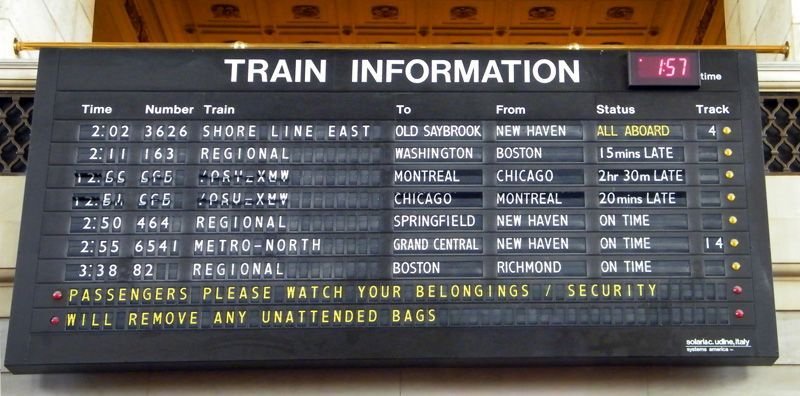
Train timetables provide important information about departure and arrival times. They help passengers understand when a train leaves a particular station and when it is expected to reach its destination. Timetables may also show intermediate stops, journey duration, and service frequency.
Passengers should check updated schedules before leaving home because train timings can change due to maintenance, weather conditions, or operational problems. Digital departure boards at railway stations are particularly useful because they display current service information, including delays, platform changes, and cancellations.
Buying Train Tickets at the Station
Purchasing a train ticket is an essential part of preparing for your journey. Most railway stations have ticket counters where passengers can buy tickets by providing their destination, preferred travel date, and other required details. Station staff can also explain available ticket types and seating options.
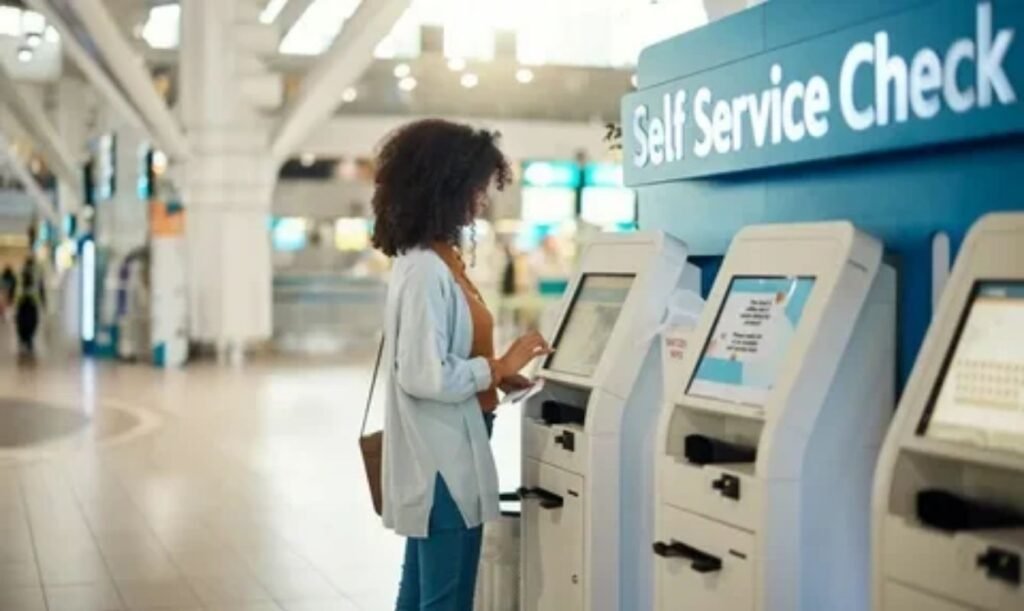
Many railway operators offer self-service ticket machines and online booking facilities. These options can save time, especially during busy travel periods. Before completing your purchase, check the travel date, departure station, destination, passenger details, and ticket conditions to avoid unnecessary problems.
Understanding Railway Station Platforms
Platforms are designated areas where passengers wait for trains and board their selected services. Every platform has a number or name, making it easier to identify the correct boarding location. Larger stations may have several platforms serving different routes and destinations.
Electronic display boards and station announcements provide platform information. Always check these details before boarding because platform assignments can sometimes change. If you are unsure where to go, ask railway employees or follow the station’s direction signs to reach the correct platform.
What to Do Before Boarding a Train
Arriving at the railway station early is one of the best ways to avoid unnecessary stress. Give yourself enough time to purchase tickets, locate the correct platform, and manage your luggage. Busy stations may require additional time because of passenger crowds and security procedures.
Keep your ticket and identification documents easily accessible throughout the journey. Check the train number, destination, departure time, and coach information before boarding. Make sure your luggage is properly packed and that you have all essential belongings before entering the train.
Different Types of Trains Available from Stations

Railway stations offer different types of train services depending on the location and railway network. Local trains usually connect nearby communities and are commonly used for daily commuting. They often stop at several stations along a relatively short route.
Regional and intercity trains connect towns and cities over longer distances. Express trains generally make fewer stops and may provide faster travel times. Long-distance trains can cover extensive routes and often include comfortable seating, sleeping facilities, dining services, and additional passenger amenities.
Train Station Facilities for Travelers
Modern railway stations provide several facilities to make journeys more comfortable. Waiting rooms allow passengers to sit while waiting for their trains. Restrooms, drinking water facilities, food outlets, and information desks are also available at many major stations.
Some stations provide luggage storage, charging points, accessibility assistance, and special facilities for passengers with disabilities. Larger railway stations may also have shopping areas and comfortable waiting lounges. However, available facilities vary depending on the size and location of each station.
Tips for a Smooth Train Journey
Planning ahead can make your train journey much easier. Check your train schedule before leaving home and arrive at the station with enough time to spare. Keep your ticket, identification, phone, and other important belongings in a safe and accessible place.
Travelers should also choose luggage that is easy to carry and follow railway baggage rules. Families traveling with children should keep an eye on younger passengers, while solo travelers should remain aware of their surroundings. Following station instructions and listening to announcements can help prevent confusion.
Common Mistakes to Avoid at Train Stations
One common mistake is arriving at the station too late. Passengers who reach the station just before departure may struggle to find their platforms or complete necessary ticket arrangements. Arriving early provides enough time to handle unexpected situations.
Another mistake is boarding without checking the train number and destination. Different trains may use similar platforms or follow routes with multiple stops. Passengers should also avoid leaving luggage unattended, ignoring platform announcements, or purchasing tickets without checking the travel details.
How to Stay Safe at a Railway Station
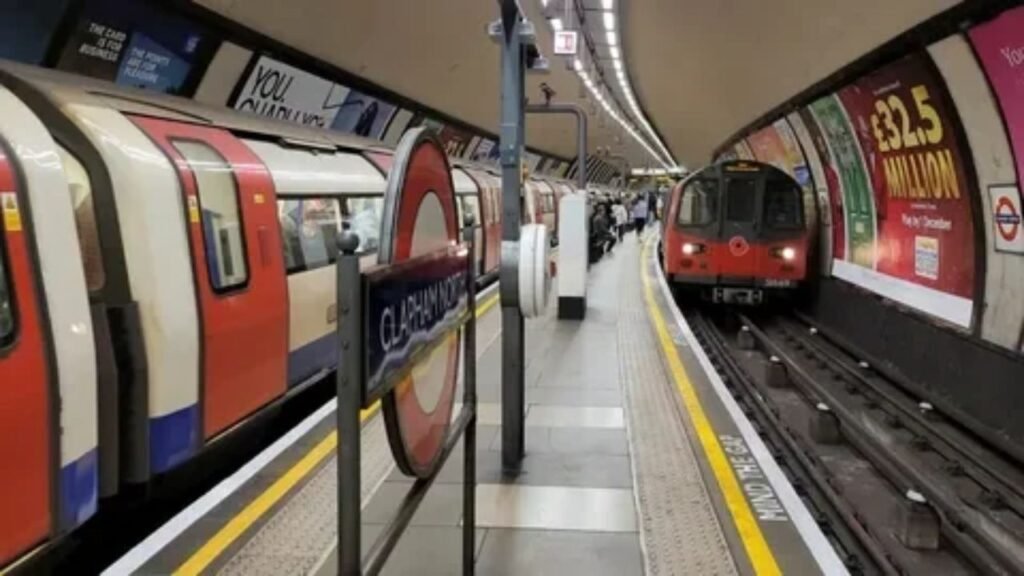
Passenger safety should always be a priority when traveling by train. Stay behind the designated platform safety line while waiting for your service. Avoid standing too close to moving trains and never attempt to board after the doors have closed.
Keep your personal belongings secure, especially in crowded waiting areas. Use official ticket counters and authorized booking platforms when purchasing tickets. If you notice suspicious activity or need assistance, contact railway staff or station security personnel.
Traveling with Children from a Railway Station
Traveling with children requires additional preparation, especially when using a busy railway station. Parents should arrive early, keep children close, and explain basic station safety rules before beginning the journey. It is also helpful to carry snacks, drinking water, and entertainment for younger passengers.
Choose luggage that is easy to manage and keep important items within reach. Before boarding, check the coach and seat numbers to avoid confusion. Families should also identify station staff or information desks in case they need assistance during their journey.
Accessibility Services at Train Stations
Many modern railway stations provide facilities to support passengers with disabilities and mobility difficulties. These may include ramps, elevators, accessible restrooms, reserved seating, and assistance from trained railway employees. Such services help passengers move around stations more comfortably.
Travelers who need additional support should contact their railway operator before departure to understand the available facilities. Some stations also provide wheelchair assistance and priority boarding arrangements. Planning these requirements in advance can make the entire experience more convenient.
What to Do If You Miss Your Train
Missing a scheduled train can be stressful, but passengers should remain calm and look for available solutions. The first step is to contact the railway ticket office or customer service desk. Staff can explain whether the ticket allows changes, rebooking, or travel on another service.
Ticket conditions differ between railway operators, so passengers should not assume that every ticket can be used on the next train. Check the available services and additional charges before making another booking. Keeping your ticket and travel documents ready can make the process easier.
Conclusion
Taking a train from station to your chosen destination can be a simple, affordable, and enjoyable travel experience. Understanding how railway stations operate, checking train schedules, purchasing the correct tickets, and finding the right platform are important steps for every passenger.Whether you are traveling locally or planning a long-distance adventure, preparation makes a significant difference. By following the practical tips in this guide, you can enjoy a more organized and comfortable railway journey. A little planning before departure can help you travel confidently and make the most of your time on the train.
Frequently Asked Questions
How early should I arrive at a railway station?
Arriving 20–30 minutes before departure is a useful general guideline, although larger stations may require more time for ticket checks and platform navigation.
How can I find the correct train at a station?
Check the departure boards, train number, destination, and platform information displayed at the station. You can also ask railway employees for assistance.
Can I purchase train tickets directly at the station?
Yes, most railway stations offer ticket counters, and some also provide self-service ticket machines. Online booking is another convenient option.
What should I carry when traveling by train?
Carry your ticket, identification documents, phone, necessary medications, drinking water, and personal belongings. Keep important items somewhere safe and accessible.
What happens if my train is delayed?
Check the station information boards or official railway updates for the latest departure information. Railway staff can also guide you about delays and alternative arrangements.