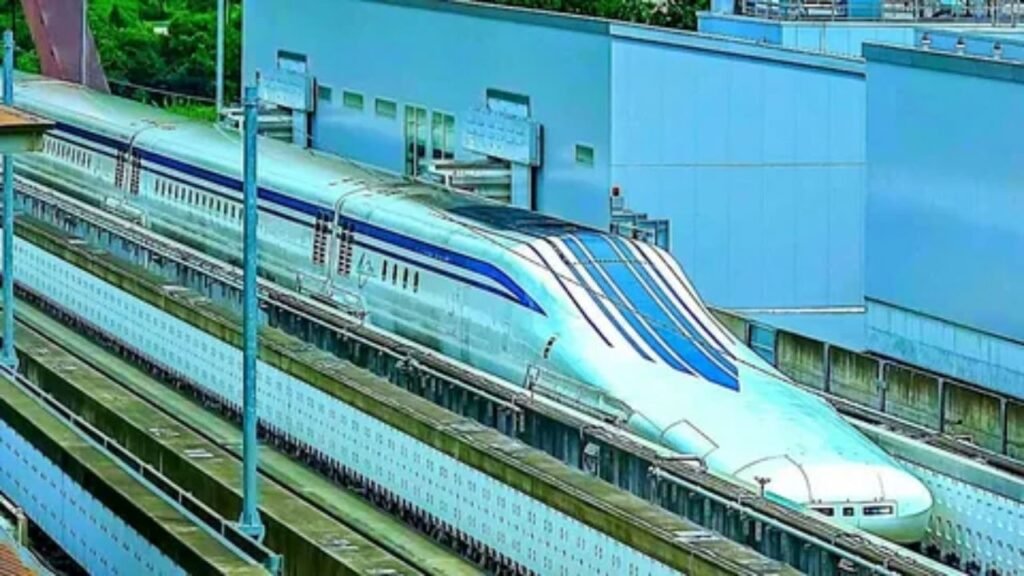
Train travel in Japan is one of the most convenient way to explore the country’s modern cities, traditional towns, and beautiful countryside. Japan is famous for its efficient railway network, comfortable trains, and high-speed Shinkansen services. Whether you are visiting Tokyo for the first time or planning a trip to Kyoto and Osaka, traveling by train can make your journey easier and more enjoyable.
From affordable local trains to high-speed bullet trains, Japan offers transportation options for different budgets and travel styles. Understanding train routes, ticket prices, railway rules, and booking options can help you plan a comfortable journey and discover more of Japan.
Why Is Train Travel in Japan So Popular?
Train travel in Japan is popular because its railway network connects major cities, smaller towns, and many tourist destinations. Travelers can choose from local trains, rapid services, limited express trains, and high-speed bullet trains. These services make it easier to plan sightseeing trips without relying entirely on taxis or rental cars.
Another reason people prefer Japanese trains is their comfort and convenience. Many trains provide clean seating, clear station signs, and helpful information displays. Railway stations often include shops, restaurants, and other useful facilities. Although delays can happen, Japanese railway services are widely known for punctuality, helping passengers organize their travel plans more confidently.
Types of Trains in Japan
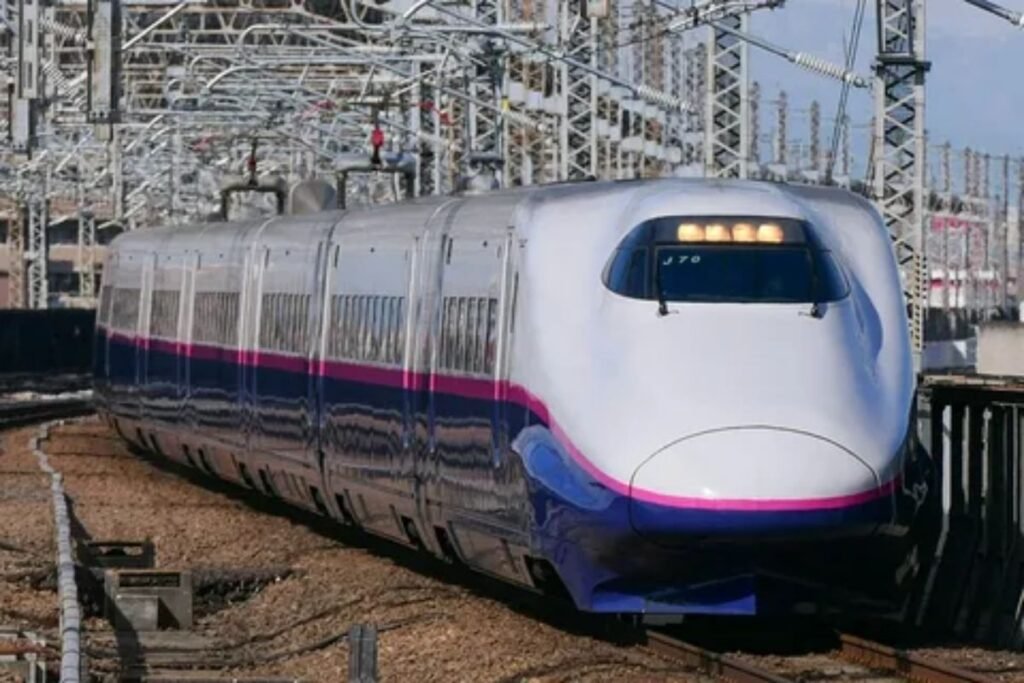
Japan has several types of trains designed for different distances and travel needs. Understanding the differences can help you choose a suitable service, manage your budget, and reach your destination comfortably.
Shinkansen Bullet Trains
Shinkansen trains are Japan’s famous high-speed trains, connecting major destinations such as Tokyo, Kyoto, Osaka, and Hiroshima. They are particularly useful for travelers who want to cover long distances in less time. Depending on the route and service, passengers can choose different stopping patterns, seating options, and ticket types.
Before boarding a Shinkansen, check the train name, departure time, platform, and ticket conditions. Some services stop at fewer stations than others, so selecting the correct train is important. Reserved seats can be helpful during busy travel periods, while unreserved seating is available on certain services.
Local and Rapid Trains
Local trains stop at most or all stations along their routes, making them useful for short journeys within cities and nearby areas. They are often affordable and convenient for reaching shopping districts, residential neighborhoods, and smaller attractions. Travelers can use local trains to experience everyday transportation in Japan.
Rapid trains generally skip some stations and may reduce journey times compared with local services. However, stopping patterns vary by railway company and route. Always check station names and departure information before boarding. Local and rapid trains are especially useful when exploring Tokyo, Kyoto, Osaka, and their surrounding areas.
Limited Express Trains
Limited express trains connect cities and regional destinations while stopping at fewer stations than ordinary local services. They can be useful for reaching scenic locations, mountain areas, coastal destinations, and towns outside major metropolitan centers. Some routes offer comfortable seating and opportunities to enjoy beautiful countryside views.
Depending on the railway service, passengers may need both a basic fare ticket and a limited express ticket. Seat reservation rules also vary between services. Check the fare requirements before traveling so you understand the total cost and whether your chosen ticket or rail pass covers the journey.
Best Train Routes to Explore Japan
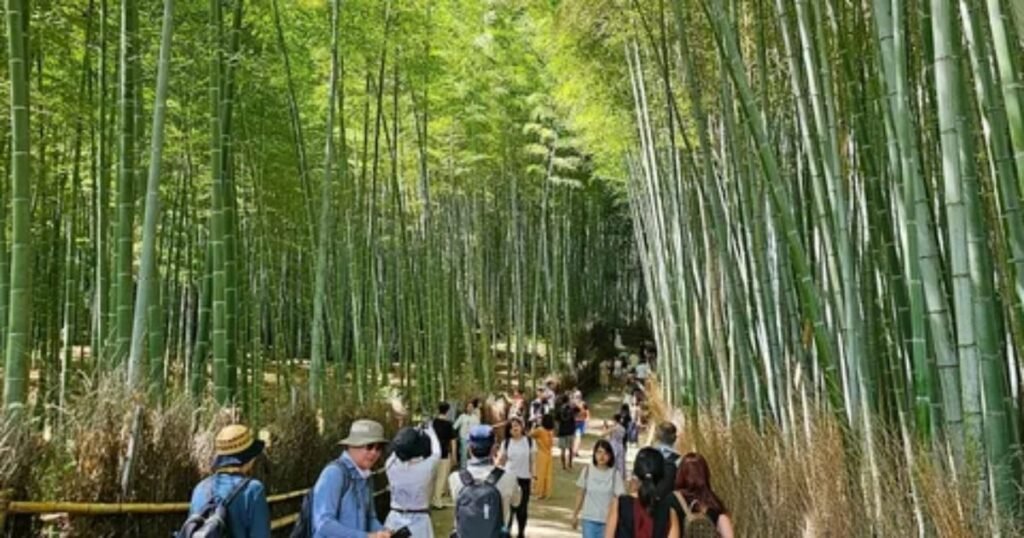
Japan has many railway routes that make sightseeing convenient. Choosing routes based on your interests can help you experience famous cities, historical attractions, and beautiful natural landscapes.
Tokyo to Kyoto
The Tokyo to Kyoto route is one of the most popular journeys for visitors to Japan. Shinkansen services generally take around two to two and a half hours, depending on the train. The journey offers a convenient way to travel between Japan’s modern capital and a city famous for its historic temples, gardens, and traditional streets.
Before departing, compare available train services and check whether a reservation is suitable for your travel dates. In Kyoto, visitors can explore traditional districts, cultural attractions, and seasonal scenery. Booking ahead during busy holiday periods can make planning easier, particularly when traveling with family or a group.
Tokyo to Osaka
Traveling by train from Tokyo to Osaka is a convenient option for people who want to experience two major Japanese cities during one trip. Shinkansen services generally take around two and a half to three hours, depending on the service and stopping pattern. The journey also avoids the additional airport transfers often associated with flying.
Osaka is known for its food culture, shopping areas, entertainment districts, and tourist attractions. Once you arrive, local railway services make it easier to move around the city. Check your arrival station carefully because different services may use different stations, and your final destination could require a local train transfer.
Scenic Train Journeys in Japan
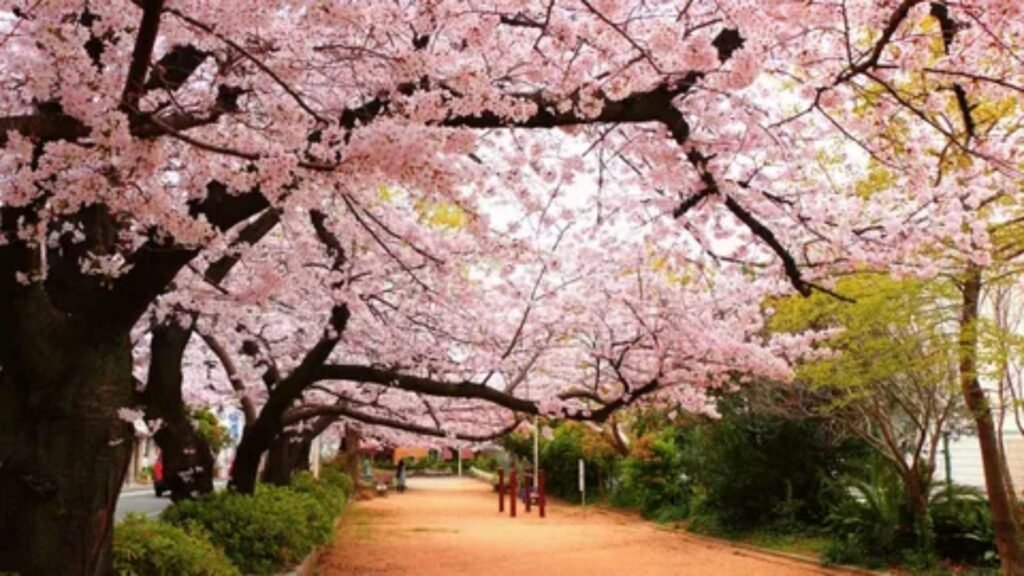
Scenic train journeys offer a different way to discover Japan beyond its largest cities. Some routes pass through forests, mountains, coastal landscapes, and peaceful rural communities. Depending on the region and season, passengers may see cherry blossoms, green valleys, colorful autumn leaves, or snow-covered scenery through the windows.
For a memorable experience, research sightseeing trains and regional railway routes before your trip. Some special services offer large viewing windows, distinctive interiors, or onboard dining. These trains may require advance reservations, and operating schedules can vary by season, so confirm the details before making travel plans.
How Much Does Train Travel in Japan Cost?
The cost of train travel in Japan depends on the distance, train type, seat selection, and railway company. Local journeys within a city are generally less expensive than long-distance bullet train trips. Shinkansen fares can vary depending on the route and service, while reserved seats and additional express charges may increase the total price.
To manage your budget, compare the total cost of your planned journeys before purchasing tickets. Consider how often you will travel between cities and whether you will need local transportation after arrival. Traveling outside particularly busy periods may provide more flexibility, although ticket prices and available discounts depend on the railway service and route.
How to Buy Train Tickets in Japan
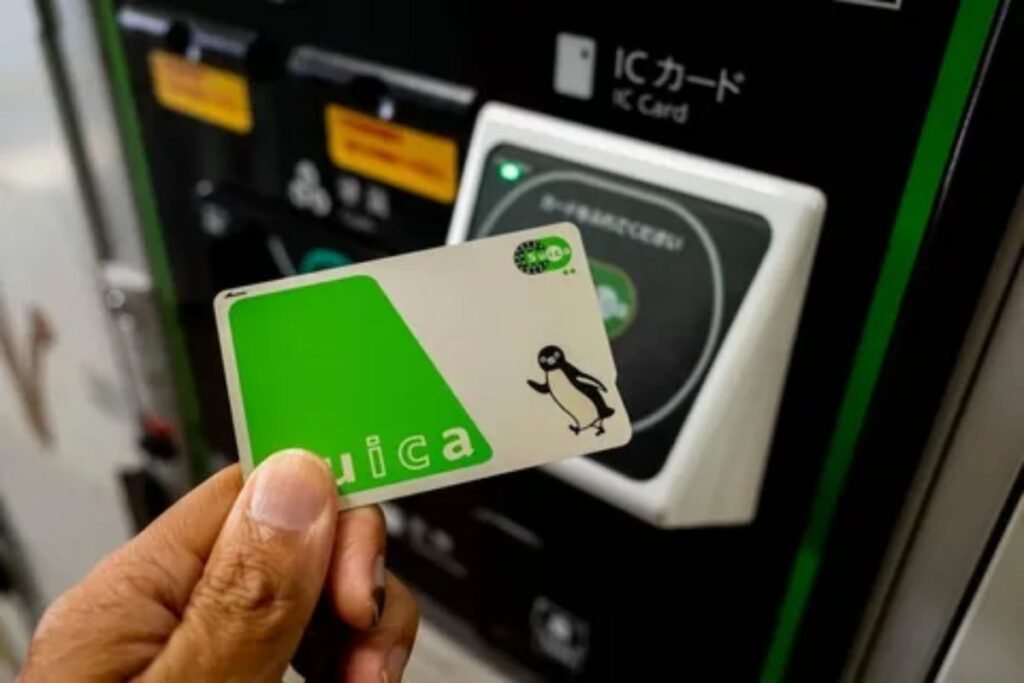
Buying train tickets in Japan is usually straightforward once you understand the available options. Many major stations have ticket machines with multilingual instructions, while staffed ticket counters can help with more complicated journeys. Travelers can also use official railway websites and supported booking platforms to purchase certain tickets online before arriving at the station.
When purchasing a ticket, enter the correct departure and arrival stations and check the travel date. Confirm whether the ticket includes a reserved seat, an express supplement, or any restrictions. Keep your ticket or booking details accessible until your journey is complete, and allow extra time if you need assistance at a busy station.
Japan Rail Pass vs. Individual Train Tickets
The Japan Rail Pass allows eligible travelers to use covered railway services for a specified period. It may be convenient for itineraries that include several long-distance journeys on eligible Japan Railways services. However, coverage is not universal, and some trains, private railway lines, and additional services may require separate tickets or extra payments.
Individual tickets can be a practical choice if you plan to visit only a few destinations or spend most of your time in one city. Before deciding, calculate the cost of your planned journeys and compare it with the current pass price. Check eligibility, validity dates, route coverage, and reservation conditions to choose the option that suits your itinerary.
How to Use Train Stations in Japan
Japanese railway stations can be busy, particularly in major cities such as Tokyo and Osaka. Fortunately, many stations display information in Japanese and English. Look for departure boards, platform numbers, train names, and destination signs. Following the correct signs will help you find the appropriate platform and avoid unnecessary walking through large stations.
At ticket gates, follow the instructions for your ticket or transport card. Some journeys require different ticketing arrangements, particularly when changing between railway companies. If you are unsure about a platform or transfer, ask station staff for help. Arriving early is especially useful when navigating an unfamiliar station or traveling with luggage.
Train Etiquette Every Tourist Should Know
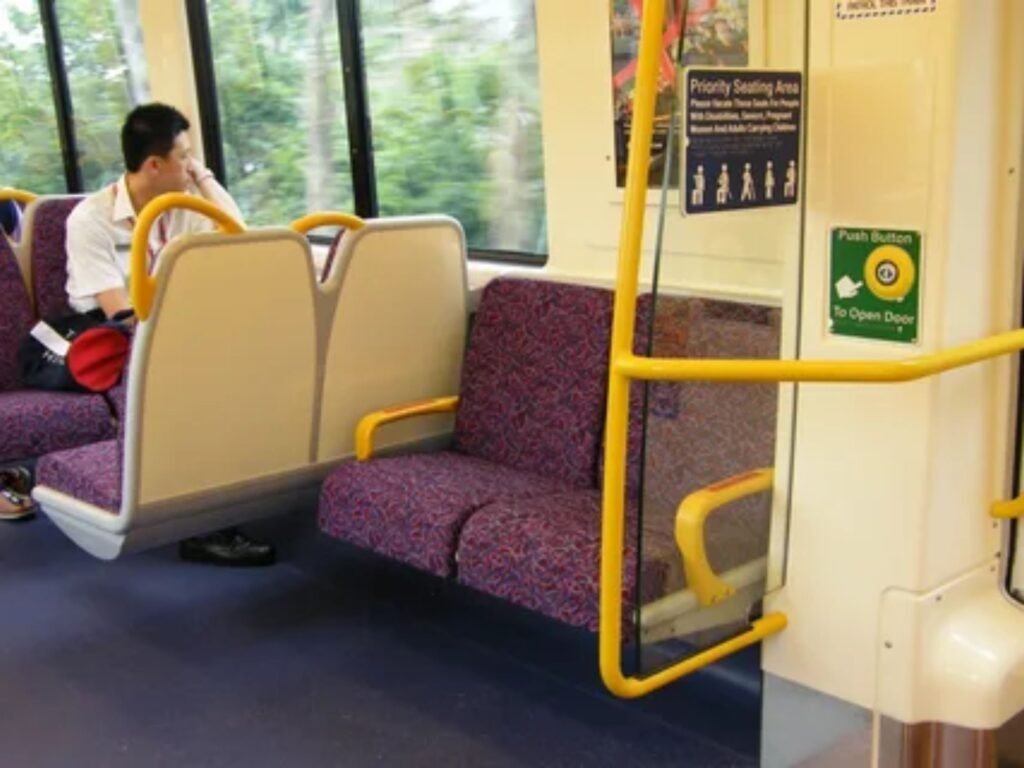
Respecting local train etiquette helps create a comfortable experience for everyone. Keep conversations quiet, avoid loud phone calls, and use headphones when listening to audio. Follow queues at platforms and allow passengers to leave the train before boarding. On crowded services, keep bags close to your body and avoid blocking doors or aisles.
Priority seating is intended for passengers who may need it, including older adults, pregnant passengers, and people with disabilities. Be considerate of others when choosing a seat and keep your belongings organized. Eating and drinking rules differ by service, so check local expectations. Meals are common on some long-distance trains, while commuter services usually call for greater restraint.
What to Pack for a Train Trip in Japan
Packing thoughtfully can make train travel easier, especially when you have several destinations on your itinerary. Carry your passport and other required travel documents, a phone with useful maps, a payment method, and your ticket or reservation details. A portable charger can help keep your phone ready for navigation, communication, and checking train schedules.
Choose luggage that you can handle comfortably when moving through stations or transferring between trains. Large suitcases can be difficult to manage during crowded periods, and some Shinkansen services have special oversized-luggage reservation requirements. Pack water, tissues, and light snacks when appropriate. Keeping essential items in a small day bag makes them easier to reach during the journey.
Best Time for Train Travel in Japan
Spring is a popular season for train travel in Japan because cherry blossoms bring beautiful scenery to many cities and countryside areas. Autumn is also attractive, with colorful leaves appearing in parks, valleys, and mountain regions. These seasons can be busy, so it is sensible to plan accommodation, major train journeys, and sightseeing activities in advance.
Summer can bring warm weather, humidity, and busy holiday periods, while winter offers opportunities to see snowy landscapes in some regions. Weather conditions may affect certain services, particularly in areas with heavy snowfall. Check travel updates before departure and allow flexibility in your schedule if you are visiting remote destinations or traveling during a seasonal holiday.
Essential Tips for First-Time Train Travelers
If this is your first time using Japanese trains, check the timetable and station details before leaving your accommodation. Confirm the train’s destination, departure time, platform, and stopping pattern. For journeys involving transfers, note the connecting train and allow enough time to move between platforms, particularly at large stations where walking distances can be considerable.
It is also helpful to keep tickets and reservation information ready before reaching the ticket gates. Avoid assuming that every rail pass covers every train, and verify luggage requirements for long-distance services. During rush hours, commuter trains may be crowded, so consider traveling at a quieter time when your schedule allows. A little preparation can make the experience much smoother.
Common Mistakes to Avoid on Japanese Trains
One common mistake is boarding a train without checking its destination or stopping pattern. Trains on the same platform may serve different routes or stop at different stations. Another mistake is assuming that a ticket for one railway company automatically covers another company’s services. Reading the ticket conditions and checking station displays can help prevent confusion.
Travelers sometimes underestimate the time needed to navigate major stations or transfer between trains. Arriving at the last minute can create unnecessary stress, particularly when carrying luggage. Avoid leaving ticket purchases and reservations until the busiest travel periods without checking availability. Planning your route, understanding the fare requirements, and confirming departure details can help you avoid common problems.
Frequently Asked Questions (FAQs)
1. Is train travel in Japan easy for tourists?
Yes, many stations have English signs and clear train information, making it easier for tourists to navigate the railway system.
2. What is the fastest train in Japan?
Shinkansen bullet trains provide high-speed travel between major cities, with operating speeds depending on the train and route.
3. Is the Japan Rail Pass worth buying?
It depends on your itinerary, eligible routes, and the total cost of individual tickets compared with the pass.
4. Can I buy train tickets in Japan on the same day?
Yes, many tickets can be purchased on the day of travel, but popular services may have limited seat availability.
5. Do Japanese trains run on time?
Japanese railway services are widely known for punctuality, although delays can occur because of weather, incidents, or operational issues.
Conclusion
Train travel in Japan offers a convenient way to discover major cities, cultural attractions, and beautiful landscapes. By understanding train types, comparing ticket options, following station signs, and respecting railway etiquette, you can make your journey more comfortable. Plan your routes according to your budget and interests, and enjoy exploring Japan one train ride at a time.
Pingback: Train Travel Packing: The Ultimate Guide to Packing
Pingback: Long Train Rides with Children: A Complete Guide