
Train travel is a convenient and enjoyable way to explore new destinations, visit family, or travel across long distances. However, every journey requires some preparation to help you stay safe and avoid unnecessary problems. Following practical Train Travel Safety Tips can help you protect your belongings, move confidently through busy stations, and enjoy a more comfortable experience. Whether you are traveling alone, with children, or on an overnight train, understanding basic railway safety can make your trip easier. With a little planning and awareness, you can reduce common travel risks and focus on enjoying the journey.
Plan Your Train Journey in Advance
Good preparation is one of the most important steps toward a safe train journey. Before leaving home, check your departure time, arrival station, ticket details, and expected travel duration. Make sure you know the name of the station where you need to board and the station where you will get off.
Check official railway updates for schedule changes, platform information, delays, and cancellations. If your journey involves changing trains, allow enough time to reach the next platform without rushing.
Try to arrive at the station early enough to locate your platform and complete any required ticket checks. Keep your ticket and identification easily accessible, especially when traveling through unfamiliar stations.
It is also helpful to tell a trusted person about your travel plans. Share your departure time, destination, and approximate arrival time so someone knows where you are expected to be.
Keep Your Belongings Safe
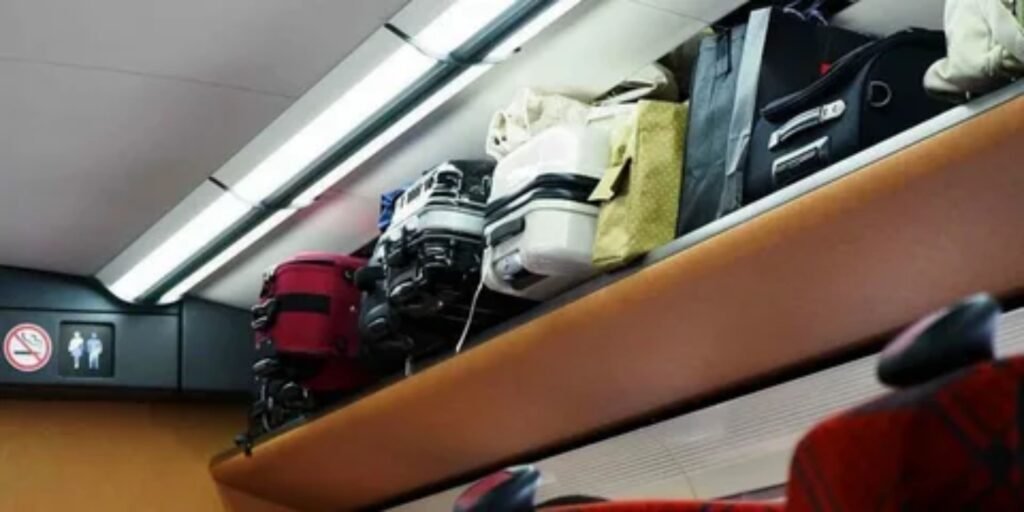
Protecting your luggage is an essential part of train travel safety. Stations and trains can become crowded, making it easier to lose track of personal items.
Keep your wallet, phone, passport, identification, and other valuable belongings in a secure bag or travel pouch. When possible, keep this bag close to your body rather than placing it somewhere you cannot see.
Use luggage compartments according to the train operator’s instructions. Before leaving your seat, check that your belongings are still with you and that nothing important has been left behind.
Avoid displaying expensive electronics, jewelry, or large amounts of cash unnecessarily. If you carry multiple bags, count them whenever you board or leave the train.
Never leave your luggage unattended in public areas. If you notice a suspicious situation or someone attempting to take your belongings, avoid unnecessary confrontation and seek assistance from railway staff or security personnel.
Stay Alert at Train Stations

Train stations can be busy, particularly during holidays, weekends, and peak commuting hours. Paying attention to your surroundings helps you move safely through crowded areas.
Always stay behind the platform safety line while waiting for your train. Never stand too close to the platform edge, even if you can see your train approaching. Sudden movements, crowded platforms, or unexpected changes can create dangerous situations.
Use designated walkways, stairs, and pedestrian crossings. Avoid running through stations, pushing through crowds, or looking at your phone while walking near platform edges.
Listen carefully to station announcements and check official departure boards for platform changes. If you are unsure where to go, ask an authorized railway employee rather than following unfamiliar people offering unsolicited assistance.
Keep children close to you and use extra care on escalators and stairs. If you need to check your ticket or directions, move to a safe place away from the flow of passengers.
Follow Train Boarding and Exiting Safety Rules
Boarding and leaving a train safely requires patience and attention. Crowding around train doors can cause passengers to trip, fall, or become separated from their companions.
Allow passengers to exit before you attempt to board. Once there is enough space, step into the carriage carefully and hold the handrail if necessary.
Never attempt to board a moving train or jump off before it has stopped completely. Do not try to enter a carriage when its doors are closing, and never force a door open.
When leaving the train, check that you are at the correct station before collecting your belongings and moving toward the exit. Step down carefully and watch your footing, particularly when there is a gap between the train and platform.
If you are traveling with heavy luggage, take your time and ask authorized staff for assistance when available. Following these simple railway safety tips can help prevent avoidable accidents.
Choose a Safe Seat and Keep the Aisles Clear
After boarding, find your assigned seat or an appropriate available seat according to the ticket and railway rules. Store your luggage in designated racks or compartments, making sure it does not block aisles, doors, or emergency exits.
Keep smaller belongings within reach and avoid placing heavy bags in unstable positions where they could fall. If you are carrying fragile items, store them securely to prevent damage during movement.
Passengers traveling alone should choose seating that feels comfortable and allows them to access normal passenger areas easily. On services where seating can be reserved, confirm your seat number before settling in.
When walking through the carriage, use handrails where provided, especially when the train is moving. Avoid standing in doorways or entering restricted areas.
If you notice a damaged seat, loose luggage, or another potential hazard, inform railway staff. A tidy carriage makes movement easier and helps passengers respond more effectively if an emergency occurs.
Protect Yourself From Theft and Scams
Travelers should remain cautious when dealing with unfamiliar people, especially in crowded stations or unfamiliar destinations. Most interactions are harmless, but it is sensible to protect personal information and valuables.
Purchase tickets through official railway websites, authorized ticket counters, or recognized booking services. Be careful of strangers offering unusually cheap tickets or asking you to transfer money through unfamiliar payment methods.
Do not hand your phone, wallet, passport, or bank card to someone you do not trust. If a stranger offers to watch your luggage, politely decline when possible and keep your belongings with you.
Be cautious when discussing hotel bookings, travel plans, or financial information with unfamiliar people. Avoid sharing passwords, verification codes, or banking details.
If someone behaves suspiciously, move to a safer public area and contact railway staff or security personnel. Do not put yourself at risk by confronting a suspected thief directly.
Stay Safe During Overnight Train Travel
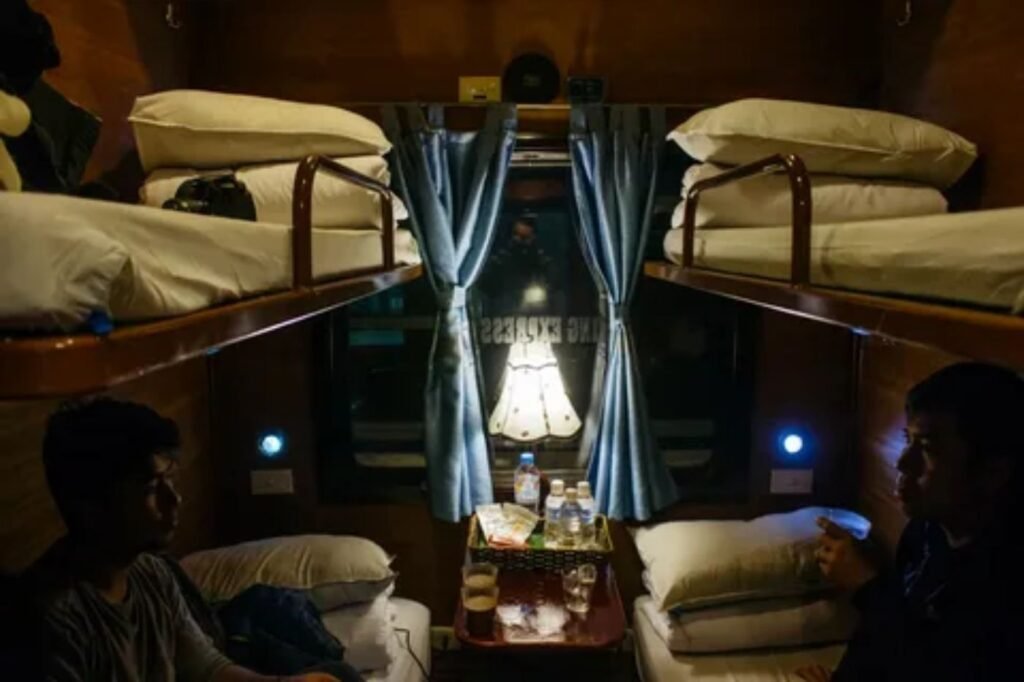
Overnight journeys can be comfortable, but sleeping on a train requires additional preparation. Before departure, confirm your carriage, seat, or sleeper accommodation and understand the operator’s rules.
Keep essential valuables in a secure pouch close to you while sleeping. Store larger bags in designated areas and secure them according to the facilities provided. Avoid leaving your phone or wallet on an exposed table.
Set an alarm before your arrival, allowing enough time to wake up, organize your belongings, and prepare to leave the train. Check your destination carefully, especially when several stations are close together.
If you are traveling alone, consider sharing your itinerary and expected arrival time with a trusted person. Keep your phone charged and know how to contact train staff if assistance is needed.
Use only designated sleeping areas and follow the operator’s instructions. When arriving at an unfamiliar station late at night, stay in well-lit public areas and arrange reliable onward transportation when possible.
Train Travel Safety Tips for Families and Children
Traveling by train with children can be enjoyable, but parents and guardians should take extra precautions. Children may become distracted by crowds, announcements, and exciting views outside the windows.
Explain basic safety rules before reaching the station. Tell children to stay away from platform edges, never run near train doors, and remain close to their accompanying adult.
Choose a clear meeting point in case family members become separated. Older children can learn to approach uniformed railway staff or designated station employees for help rather than leaving the station alone.
Keep children’s hands free when boarding where possible, and manage luggage so you can supervise them properly. Never allow children to play near doors, move between carriages without permission, or enter restricted railway areas.
Carry snacks, water, essential medication, and any items your children need during the journey. For longer trips, explain the route and remind them to tell you before getting up or moving around the carriage.
These simple precautions can make train travel safer and less stressful for the entire family.
Safety Tips for Solo Travelers
Solo train travel gives you independence, but it also means you must manage your plans and belongings yourself.
Before departure, share your itinerary with a trusted friend or family member. Keep your phone charged and carry a power bank if permitted by the operator. Save important travel information and emergency contact details where you can access them easily.
Avoid sharing unnecessary personal details with strangers. You can be friendly without revealing your home address, financial situation, accommodation details, or other private information.
When waiting for a train, choose an appropriate public waiting area and follow station staff instructions. If someone makes you uncomfortable, move toward a staffed or busier area and ask for help.
Plan your journey from the arrival station to your final destination before departure. Knowing your transportation options can help you avoid confusion when arriving in an unfamiliar place.
Trust your judgment and prioritize your safety over social pressure or politeness.
Prepare for Emergencies on the Train

Knowing what to do during an emergency is an important part of train emergency preparedness. When boarding, pay attention to safety instructions and notice emergency signage, help points, and the location of railway staff where practical.
If you feel unwell or witness a medical emergency, inform train staff as soon as possible. Explain the situation clearly and follow their instructions.
If you notice smoke, fire, or another immediate danger, alert railway staff and follow the operator’s emergency procedures. Do not enter restricted areas or attempt dangerous actions on your own.
Emergency alarms should only be used for genuine emergencies or as permitted by the operator’s instructions. Misusing emergency equipment can put other passengers at risk and disrupt railway operations.
During a major incident, remain calm, listen carefully to official announcements, and avoid crowding doors or rushing into unsafe areas. Do not leave the train or move onto railway tracks unless directed by authorized personnel as part of an emergency procedure.
Keep emergency contact information available so you can request assistance when necessary.
Stay Healthy and Comfortable During Long Train Journeys
Your physical comfort also contributes to a safer journey. Carry drinking water and suitable snacks, particularly when traveling for several hours. Follow the railway operator’s rules about food and drink.
Wash or sanitize your hands when appropriate, especially before eating. Carry necessary personal medication in its original packaging when practical, and keep it accessible rather than placing it in luggage that may be difficult to reach.
If you need to walk through the carriage, move carefully when the train is in motion. Use handrails where available and avoid carrying too many items at once.
Wear comfortable clothing and suitable footwear. If you need to stand or stretch during a long trip, do so in designated areas without blocking other passengers.
Older adults, passengers with disabilities, and anyone who needs additional assistance should check available accessibility services before traveling. Request support from railway staff when needed rather than risking a fall or injury.
Essential Items to Carry for a Safe Train Journey
Packing a few useful items can help you prepare for common travel problems. Your exact needs will depend on the route, journey length, and railway operator.
- Valid ticket and identification: Keep the documents required for your journey accessible.
- Charged mobile phone: Use it to check travel updates and contact trusted people or railway staff.
- Power bank: Bring one if permitted and follow applicable transport rules.
- Drinking water: Stay hydrated, particularly on long journeys.
- Basic first-aid supplies: A small kit may help with minor issues.
- Necessary medication: Carry any medication you normally need during the trip.
- Secure bag or travel pouch: Keep valuables organized and protected.
- Emergency contact information: Store important numbers somewhere accessible.
You may also need weather-appropriate clothing, tissues, hand sanitizer, and a small snack. Avoid overpacking, as managing too many bags can make boarding and exiting more difficult.
Common Train Travel Safety Mistakes to Avoid
Some travel problems happen because passengers overlook simple precautions. Avoid standing beyond the platform safety line, running toward a departing train, or attempting to board after the doors begin closing.
Never leave valuable belongings unattended or assume that another passenger will watch them. Keep your ticket and travel documents secure throughout the journey.
Do not ignore announcements about delays, platform changes, or emergency instructions. Avoid entering railway tracks, crossing restricted areas, or touching railway equipment.
Another common mistake is failing to check the destination before getting off. Confirm your station and gather your belongings before leaving the carriage.
Finally, do not hesitate to ask authorized railway staff for help when you are confused or concerned. Taking a moment to confirm information is better than rushing into an unsafe situation.
Frequently Asked Questions About Train Travel Safety Tips
1. What are the most important train travel safety tips?
Plan your journey, arrive early, stay behind platform safety lines, secure your valuables, board only when the train has stopped, and follow railway staff instructions. Staying alert throughout the trip is equally important.
2. How can I keep my luggage safe on a train?
Keep important belongings close to you and store larger bags in designated compartments. Check your luggage when boarding and exiting, and never leave it unattended in public areas.
3. Is it safe to travel alone by train?
Train travel can be a practical option for solo travelers. Plan your route, keep your phone charged, share your itinerary with someone you trust, and seek help from railway staff if a situation feels unsafe.
4. How can I stay safe during overnight train travel?
Secure your valuables before sleeping, store luggage properly, set an arrival alarm, and keep essential items accessible. Check your destination and plan safe transportation after arrival.
5. What should I do if I lose my belongings on a train?
Notify railway staff or the train operator’s lost-property service as soon as possible. Provide details about the item, your train, and your journey. If a bank card or phone is lost, use the relevant official service to secure your account or device.
6. What should I do in an emergency while traveling by train?
Stay calm, alert railway staff, and follow official emergency instructions. Use emergency equipment only when appropriate, and never enter railway tracks or restricted areas unless authorized personnel direct you as part of an emergency response.
Conclusion
A safe and enjoyable train journey begins with preparation and awareness. By planning ahead, protecting your valuables, staying alert at stations, and following railway instructions, you can reduce common travel risks and feel more confident on the move. These Train Travel Safety Tips can help beginners, solo travelers, families, and experienced passengers make better decisions before and during their journeys. Always follow the safety procedures of your railway operator, as requirements can vary between countries and train services. A little care can make every journey more comfortable and secure.
Pingback: Famous Train Journey in the World: A Complete Guide
Pingback: Best Train Trip for Couples: Routes, Scenic Views, and Travel Tips