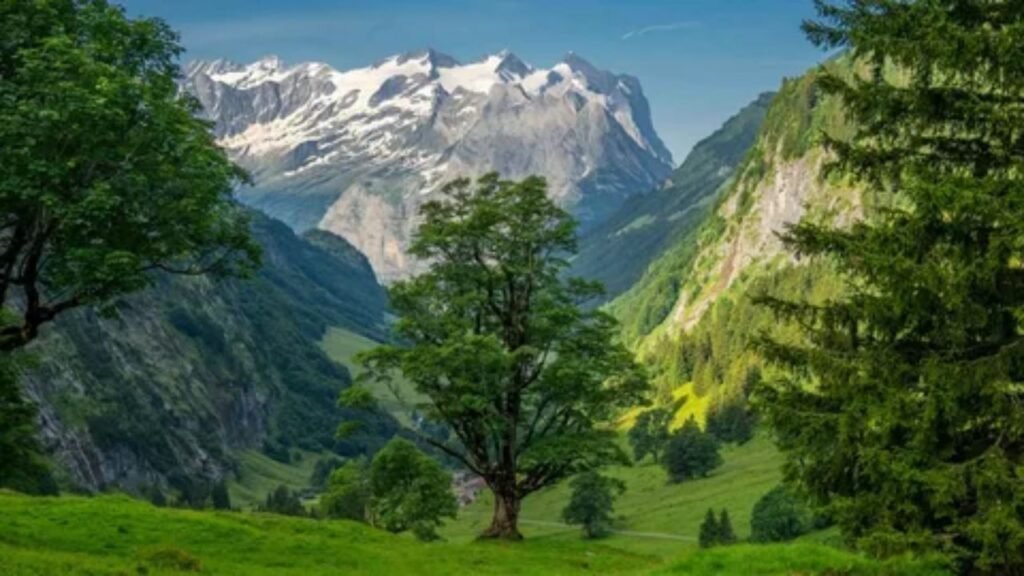
Mountain train journeys offer a wonderful way to explore some of the world’s most beautiful landscapes. Instead of concentrating on driving, travelers can sit comfortably and watch towering mountains, green valleys, sparkling rivers, and charming villages pass by their windows. These journeys combine transportation with sightseeing, making the railway experience an important part of the adventure.
From the snowy peaks of Switzerland to the rugged landscapes of Scotland and the dramatic Canadian Rockies, scenic mountain train rides provide memorable experiences for travelers of different ages and interests. Some routes are famous for historic railway engineering, while others attract visitors with their peaceful surroundings and breathtaking views.
Whether you are planning a family holiday, a romantic getaway, or a solo adventure, mountain train journeys can help you discover destinations at a relaxed pace. This guide explores six remarkable railway experiences, explains the best seasons to travel, and shares practical tips to help you plan a comfortable and enjoyable trip.
What Are Mountain Train Journeys?
Mountain train journeys are railway trips that travel through mountainous regions, often passing through valleys, forests, tunnels, bridges, and high-altitude landscapes. Unlike ordinary train journeys that may focus mainly on reaching a destination, these trips often make the scenery an important part of the experience.
Mountain railways are built to handle challenging terrain. Depending on the route, trains may travel across steep slopes, follow winding tracks, pass through tunnels, or cross impressive bridges. Some historic railways use specialized engineering systems to manage steep gradients safely.
These journeys can be found in many countries, including Switzerland, Canada, India, Scotland, and New Zealand. Some offer luxury services with large viewing windows and onboard dining, while others operate as regular passenger trains through scenic regions.
Mountain train journeys are especially appealing to nature lovers, photographers, railway enthusiasts, and travelers who prefer enjoying landscapes without the stress of driving.
Why Choose a Mountain Train Journey?
One of the biggest reasons to choose a mountain railway journey is the opportunity to enjoy beautiful scenery throughout the trip. A single route may include snow-covered peaks, deep valleys, flowing rivers, green forests, and traditional mountain villages.
Another advantage is comfort. Passengers can relax in their seats, read a book, take photographs, or simply watch the landscape change. This makes scenic rail travel attractive to couples, families, older travelers, and people who do not want to navigate unfamiliar mountain roads.
Mountain trains also provide a different perspective on a destination. Railway lines sometimes pass through places that are difficult to experience from a major highway. Bridges, tunnels, and historic stations can make the journey interesting even before the train reaches its final stop.
For photographers, the changing scenery creates opportunities to capture dramatic landscapes. However, reflections on windows and the movement of the train can affect photographs, so choosing a suitable seat and keeping a camera ready can be helpful.
Best Mountain Train Journeys Around the World
Several railway routes are particularly well known for their mountain scenery, engineering, and memorable travel experiences.
1. Glacier Express, Switzerland
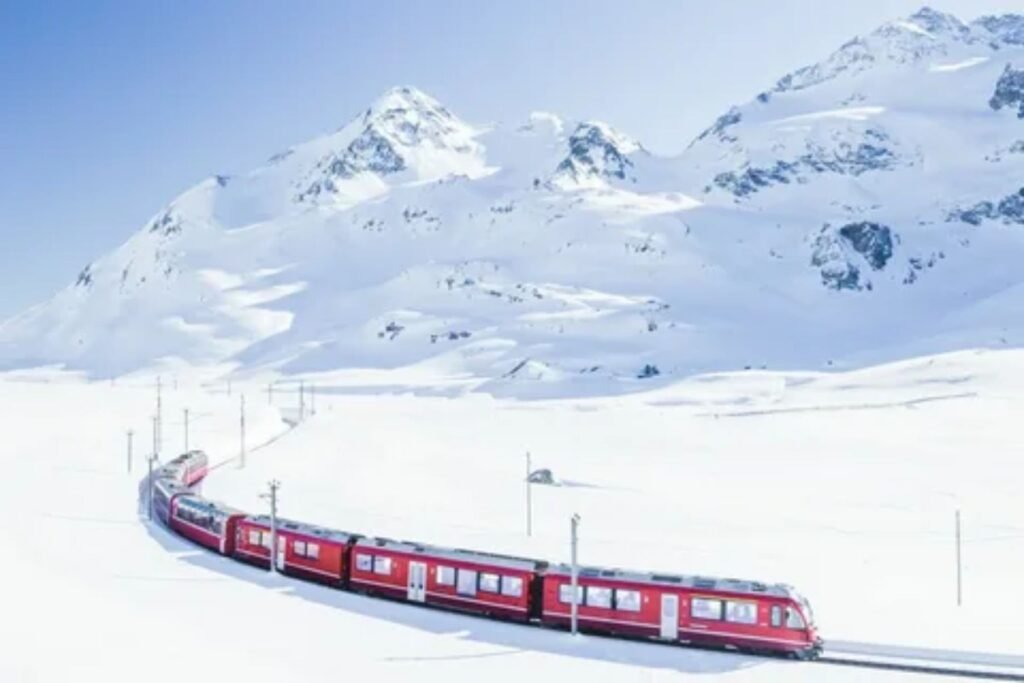
<escape>The</escape> Glacier Express is one of Switzerland’s best-known scenic railway experiences. It connects the mountain destinations of Zermatt and St. Moritz, passing through the spectacular landscapes of the Swiss Alps.
During the journey, passengers can admire mountain villages, green valleys, dramatic rock formations, and impressive railway bridges. The route also passes through the Rhine Gorge, an area known for its striking cliffs and river scenery.
Large panoramic windows on the service help passengers appreciate the surrounding landscape. The experience is designed for travelers who want to enjoy the journey itself rather than simply move between two destinations.
The Glacier Express is a popular choice for couples, photographers, and visitors planning a special Swiss holiday. Travelers should check current operating dates, reservation requirements, and ticket options before making plans.
2. Bernina Express, Switzerland and Italy
The Bernina Express offers another remarkable way to explore the Swiss Alps. Its route connects the region around Chur and St. Moritz in Switzerland with Tirano in Italy, showcasing a wide range of Alpine landscapes.
Passengers can see mountain peaks, glaciers, alpine lakes, and villages along the route. One of its most recognizable features is the Landwasser Viaduct, an impressive curved railway bridge built against a dramatic rocky landscape.
The scenery changes as the train travels through different elevations. Snowy mountain environments may gradually give way to greener valleys and warmer surroundings as the route approaches Italy.
This mountain train journey is especially attractive to travelers who want to experience two countries in one railway adventure. Before departure, check the route, available services, and any reservation requirements that apply to your selected train.
3. Rocky Mountaineer, Canada
The Rocky Mountaineer is a premium sightseeing train experience known for its journeys through western Canada. Its routes showcase parts of the Canadian Rockies and surrounding regions, with landscapes that can include rugged mountains, forests, rivers, and dramatic rock formations.
Depending on the selected route, travelers may see deep river valleys, remote wilderness, and mountain scenery that feels far removed from busy cities. The changing views make the journey appealing to visitors who enjoy nature and photography.
The Rocky Mountaineer offers a different style of travel from ordinary passenger rail services. It is designed around sightseeing, with service levels and onboard experiences depending on the package booked.
Because it is a premium travel option, passengers should compare package inclusions and accommodation arrangements before booking. Travelers should also confirm seasonal operating dates and route availability, as services vary.
4. Darjeeling Himalayan Railway, India
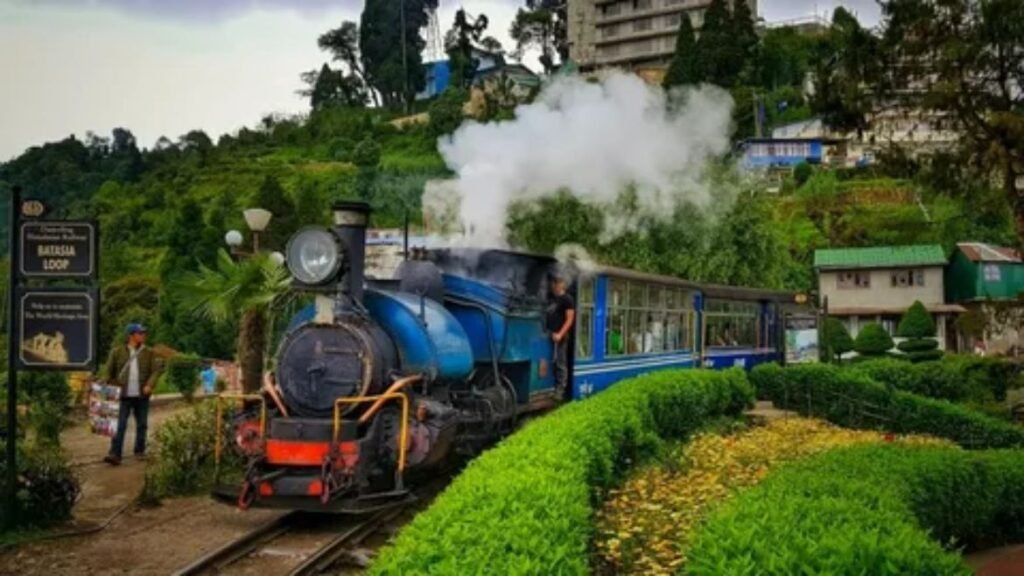
The Darjeeling Himalayan Railway is a historic narrow-gauge railway in India’s eastern Himalayan region. It is famous for its cultural importance, traditional railway character, and scenic mountain surroundings.
The railway connects New Jalpaiguri and Darjeeling through a route that passes settlements, hillside landscapes, and sections of the Himalayan foothills. Its compact trains and historic engineering give the experience a distinctive character.
One of the most appealing aspects of this railway is the opportunity to observe local life along the route. Passengers may see hillside communities, busy streets, tea-growing landscapes in the wider region, and distant mountain views when weather conditions allow.
The Darjeeling Himalayan Railway is a good option for travelers interested in both railway history and mountain scenery. Since different services may cover different sections, check the exact journey and timetable before booking.
5. West Highland Line, Scotland
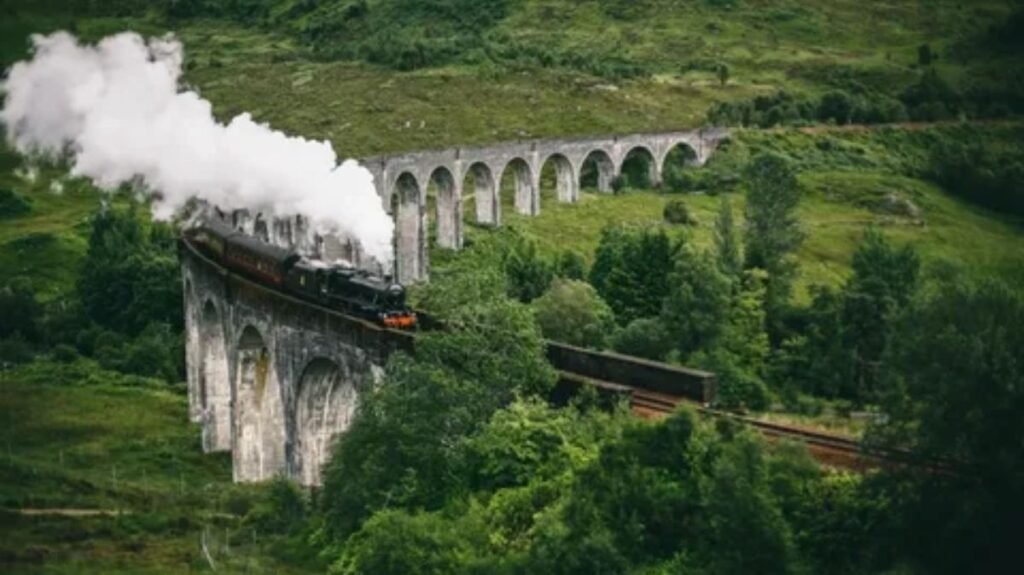
Scotland’s West Highland Line is a scenic railway route that passes through some of the country’s most memorable Highland landscapes. Depending on the journey, passengers can experience rugged hills, freshwater lochs, remote countryside, and wide-open natural scenery.
The line is especially famous for the section near Glenfinnan Viaduct, a curved railway bridge surrounded by green hills. The landscape has also attracted attention from film fans because of its appearance in the Harry Potter movies.
The West Highland Line offers a rewarding experience for travelers who enjoy peaceful scenery rather than luxury train facilities. It is also useful for visitors who want to explore destinations in the Scottish Highlands without driving.
Weather can change quickly in Scotland, and clouds or rain may affect visibility. Travelers should allow enough time for connections and check railway updates before departure.
6. TranzAlpine, New Zealand
The TranzAlpine is a well-known scenic passenger train journey across New Zealand’s South Island. It connects Christchurch and Greymouth, crossing the Canterbury Plains and traveling through the Southern Alps.
The landscape changes throughout the trip. Passengers can experience open farmland, river valleys, mountain scenery, and sections of rugged countryside. The route also passes through Arthur’s Pass, a mountainous area known for its natural beauty.
This railway is an appealing option for visitors who want to experience New Zealand’s landscapes without driving across the island. It can also be included in a larger itinerary combining cities, outdoor activities, and regional sightseeing.
Travelers should check current departure times, service availability, and seasonal conditions. Booking arrangements and onboard facilities may vary, so it is worth reviewing the details before traveling.
What Can You See During a Mountain Train Journey?
The scenery depends on the country, altitude, season, and specific railway route. However, many mountain train journeys offer several types of natural and cultural attractions.
- Snow-covered peaks: High mountain regions may offer views of snowy summits and glaciers, particularly in colder seasons.
- Green valleys and forests: Lower elevations often feature woodlands, open meadows, and peaceful countryside.
- Rivers and alpine lakes: Some routes pass beside clear lakes, winding rivers, or fast-flowing mountain streams.
- Historic bridges and tunnels: Railway engineering can be just as impressive as the natural landscape.
- Mountain villages: Traditional settlements provide a glimpse into local life and regional architecture.
- Changing seasonal scenery: Spring flowers, summer greenery, autumn colors, and winter landscapes create different experiences throughout the year.
Wildlife may sometimes be visible from the train, but sightings are never guaranteed. Travelers should also remember that weather conditions can change how much of the scenery is visible.
Best Time to Experience Mountain Train Journeys
There is no single best season for every mountain railway. The ideal time depends on the destination, the type of scenery you prefer, and the railway’s operating schedule.
Spring
Spring can bring fresh greenery, flowing streams, and blooming plants in many regions. Higher mountain areas may still have snow, while lower valleys begin to warm up. Weather can be unpredictable, so flexible plans are helpful.
Summer
Summer often provides longer daylight hours and opportunities to enjoy green landscapes. It can be a popular season for scenic rail travel, so advance reservations may be useful on busy routes.
Autumn
Autumn can offer beautiful colors in forests and valleys, depending on the destination. Cooler temperatures and changing daylight hours may affect travel plans, but the scenery can be particularly attractive for photography.
Winter
Winter journeys may feature snow-covered mountains and dramatic frozen landscapes. However, weather disruptions, shorter daylight hours, and seasonal service changes can affect some routes.
Before booking, review the railway’s official information for operating dates, weather-related updates, and any seasonal restrictions.
How to Plan a Mountain Train Journey
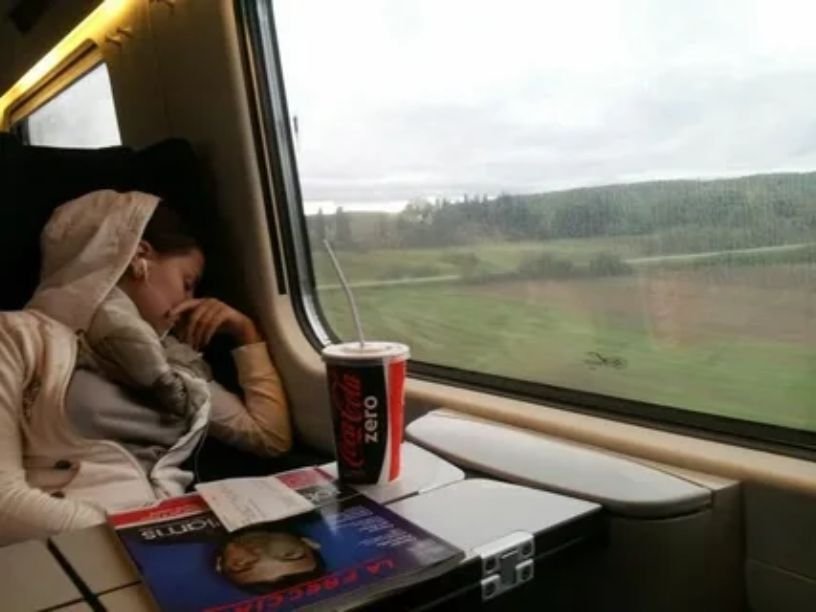
Good planning can make your mountain train adventure more comfortable and enjoyable. Start by deciding which country or region you want to explore. Consider the landscapes you prefer, your available travel days, and how much you want to spend.
Follow these steps when organizing your trip:
- Choose the right destination: Compare different routes based on mountain views, journey length, nearby attractions, and your travel interests.
- Research the route: Check departure and arrival stations, stops, connections, and the scenery you can expect along the way.
- Check tickets and reservations: Some premium sightseeing trains require advance reservations, while other services may offer different booking options.
- Select your seat carefully: When seat selection is available, review the train layout and choose an option that suits your sightseeing preferences.
- Review onboard facilities: Check luggage allowances, food services, toilets, accessibility, and other amenities before departure.
- Plan accommodation: If the journey starts early or ends late, consider staying near the station to reduce travel stress.
- Allow extra time: Mountain weather and railway disruptions can affect travel plans, so avoid arranging tight connections whenever possible.
A useful approach is to choose one main scenic railway and build the rest of your holiday around it. This gives you time to explore nearby destinations without rushing through the experience.
Essential Tips for Mountain Train Travel
A few simple preparations can help you make the most of your trip.
- Carry a camera or smartphone with enough battery and storage space.
- Wear comfortable clothing and bring extra layers for changing temperatures.
- Pack water, snacks, and any personal items you may need during the journey.
- Keep your ticket, identification, and travel documents accessible.
- Check the weather forecast before leaving your accommodation.
- Follow railway staff instructions and remain within designated passenger areas.
- Keep your camera ready, but avoid blocking other passengers’ views.
- Review luggage restrictions and arrive at the station with enough time to board.
- If photography is important to you, ask about window access and seat arrangements before booking.
- Check cancellation and change policies in case your travel plans need to be adjusted.
It is also helpful to balance photography with enjoying the actual journey. Rather than trying to capture every view, take a few pictures and spend time appreciating the landscapes around you.
Are Mountain Train Journeys Suitable for Families?
Yes, mountain train journeys can be an enjoyable option for families because they combine comfortable travel with changing scenery. Children may enjoy watching rivers, bridges, forests, and mountains pass by, while adults can relax without the responsibility of driving.
The best route depends on the family’s needs. A shorter journey may be more suitable for younger children, while older children may enjoy a longer trip with dramatic landscapes and interesting railway features.
Before booking, consider the following factors:
- Journey duration and opportunities for breaks.
- Availability of toilets, refreshments, and family-friendly facilities.
- Accessibility for strollers or passengers with mobility needs.
- Child ticket policies and seating arrangements.
- The departure time and how it fits into the family’s routine.
Bring a few activities for children in case the scenery becomes less varied or weather conditions limit visibility. Snacks, books, and simple travel games can make longer journeys easier.
Families should also check whether the train has designated family seating or specific rules for children. A little preparation helps everyone enjoy the experience more comfortably.
How Much Do Mountain Train Journeys Cost?
The cost of mountain train journeys varies considerably. A regular passenger train passing through a mountain region may be relatively affordable, while a premium sightseeing service can cost much more because of its special seating, onboard hospitality, or travel package.
Several factors influence the final price.
- Destination: Different countries and railway operators have different fare structures.
- Journey length: Longer routes may cost more than shorter scenic trips.
- Travel season: Prices and availability can change during busy holiday periods.
- Travel class: Premium seating and additional services may increase the total cost.
- Included services: Meals, accommodation, guided experiences, or transfers may be included in some packages.
- Booking conditions: Refundable tickets and flexible reservations may have different prices from restricted fares.
To manage your budget, compare the total cost rather than looking at the ticket price alone. Include accommodation, meals, local transportation, and activities at your destination.
You can also compare premium scenic trains with ordinary regional services that travel through beautiful mountain areas. The regular service may offer a different onboard experience, but it can still provide memorable views.
Booking early may help with availability on popular routes, although savings are not guaranteed. Always review the current fare and booking conditions before making a decision.
Mountain Train Journeys vs. Road Trips
Both mountain train journeys and road trips offer excellent ways to explore mountainous regions, but the experiences are different.
Train travel allows passengers to relax, enjoy the views, and move between destinations without concentrating on driving. It can be particularly convenient when roads are unfamiliar or challenging. Scenic railway routes may also provide access to impressive bridges, tunnels, and landscapes that are part of the railway experience itself.
Road trips offer greater flexibility for stopping at viewpoints, visiting smaller attractions, and changing plans along the way. However, driving in mountain regions may require extra attention because of winding roads, changing weather, and difficult terrain.
The best choice depends on your travel style. If you prefer a relaxing journey with continuous views, a scenic train may be ideal. If you want to explore many remote locations at your own pace, a road trip may be more suitable.
Some travelers combine both options. They take a mountain train for the main scenic experience and use local transport or a rental car to explore nearby attractions. This approach can provide a balanced holiday without requiring you to drive the entire route.
Frequently Asked Questions About Mountain Train Journeys
1. What are the best mountain train journeys in the world?
Popular options include the Glacier Express and Bernina Express in Switzerland, the Rocky Mountaineer in Canada, the Darjeeling Himalayan Railway in India, Scotland’s West Highland Line, and New Zealand’s TranzAlpine. Each offers a different combination of mountain scenery, railway history, and onboard experience.
2. Which country is famous for scenic mountain train rides?
Switzerland is particularly famous for its scenic mountain railways, including the Glacier Express and Bernina Express. The country offers impressive Alpine landscapes and well-known railway engineering. However, Canada, India, Scotland, and New Zealand also have memorable mountain railway experiences for travelers with different interests and budgets.
3. What is the best season for a mountain train journey?
The best season depends on the destination and your preferred scenery. Summer often provides green landscapes and longer daylight hours, while winter can offer snow-covered peaks. Autumn may bring colorful forests, and spring can feature fresh greenery. Always check the railway’s seasonal schedule before booking.
4. Are mountain train journeys suitable for families?
Yes, many mountain train journeys are suitable for families and offer an enjoyable way to experience natural scenery. Choose a route that matches your children’s ages, comfort needs, and attention spans. Check journey duration, onboard facilities, accessibility, and child ticket policies before confirming your plans.
5. How can I book a scenic mountain train trip?
Start by selecting your destination and preferred travel date. Review the railway operator’s official booking information to compare ticket classes, departure times, reservation requirements, and cancellation policies. For popular sightseeing trains, booking ahead can be helpful. Confirm your route and station details before traveling.
6. Are mountain train journeys expensive?
Some mountain train journeys are expensive, particularly premium sightseeing services that include enhanced onboard facilities or package experiences. Other regional trains passing through mountain landscapes may be more budget-friendly. Compare ticket prices, included services, accommodation, and transportation costs to find an option that suits your budget.
Conclusion
Mountain train journeys offer a memorable way to explore the world’s beautiful mountain regions while enjoying a relaxed and scenic travel experience. From Switzerland’s spectacular Alps to Canada’s rugged peaks and Scotland’s peaceful Highlands, every route has its own attractions.Choose a journey that matches your interests, budget, and available time. Check the railway’s current travel information, prepare for changing weather, and leave enough time to enjoy the scenery along the way. With thoughtful planning, your next mountain train adventure can become a highlight of your travels.
Pingback: Train Travel Safety Tips: A Complete Guide to Staying Safe Before
Pingback: Best Train Trips for Couples: Dream Getaways
Pingback: Famous Train Journeys Around the World