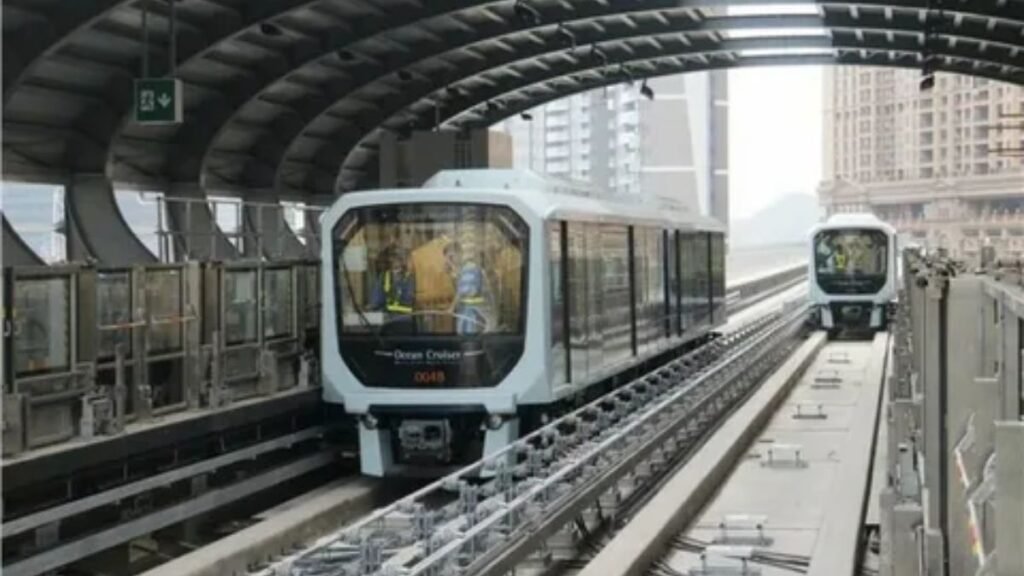
Train travel can be a comfortable, affordable, and enjoyable way to explore different places. However, before starting your journey, you need to understand how to find the right train and reserve your seat. The term train book is commonly used by travelers who want to learn how to book a train ticket, check schedules, compare options, and prepare for their journey.
Today, train tickets can often be booked online through railway websites, mobile applications, and other booking platforms. Travelers may also purchase tickets at railway stations or authorized ticket counters. The process is usually simple when you know what information you need and what details to check before making a reservation.
This guide explains the train booking process, different booking methods, useful tips, common mistakes, and important things to consider before traveling.
What Does Train Book Mean?
The phrase train book generally refers to the process of booking or reserving a train ticket for a journey. When you book a train, you select your departure location, destination, travel date, preferred train, and available ticket or seat option.
Depending on the railway system, passengers may have different choices for seats, classes, departure times, and ticket types. Some trains may also offer different levels of comfort or services.
Before completing a booking, it is important to carefully check the travel information. A small mistake in the departure station, destination, or travel date can create problems later.
Why Book a Train Ticket in Advance?

Booking a train ticket in advance can make travel planning easier. It gives you more time to compare trains and choose an option that fits your schedule.
Advance booking can also be useful when you are traveling during busy periods. Popular trains and convenient departure times may have limited availability, depending on the route and railway system.
When planning ahead, you can check:
- Available trains
- Departure and arrival times
- Travel duration
- Seat availability
- Ticket type
- Class or seating options
- Cancellation conditions
For an important trip, it is also helpful to keep your booking confirmation in an accessible place.
How to Book a Train Ticket Online
Online train booking has made it easier for travelers to arrange their journeys without visiting a railway station. Most online systems follow a similar process, although the exact steps can vary between countries and railway operators.
First, enter your departure station and destination. Then select your preferred travel date and search for available trains.
After reviewing the results, compare the departure times, journey duration, ticket options, and available seats. Select the train that matches your travel plans.
You may then need to enter passenger information and choose a payment method. After successful payment, the booking system usually provides a confirmation or ticket.
Always check the confirmation carefully. Make sure the passenger name, date, route, train, and departure time are correct.
Step-by-Step Train Booking Process
1. Choose Your Route
Start by deciding where your journey will begin and where you want to arrive. Make sure you select the correct stations because large cities can sometimes have more than one railway station.
2. Select Your Travel Date
Enter the exact date you want to travel. If your plans are flexible, checking nearby dates can sometimes give you more choices.
3. Check the Train Schedule
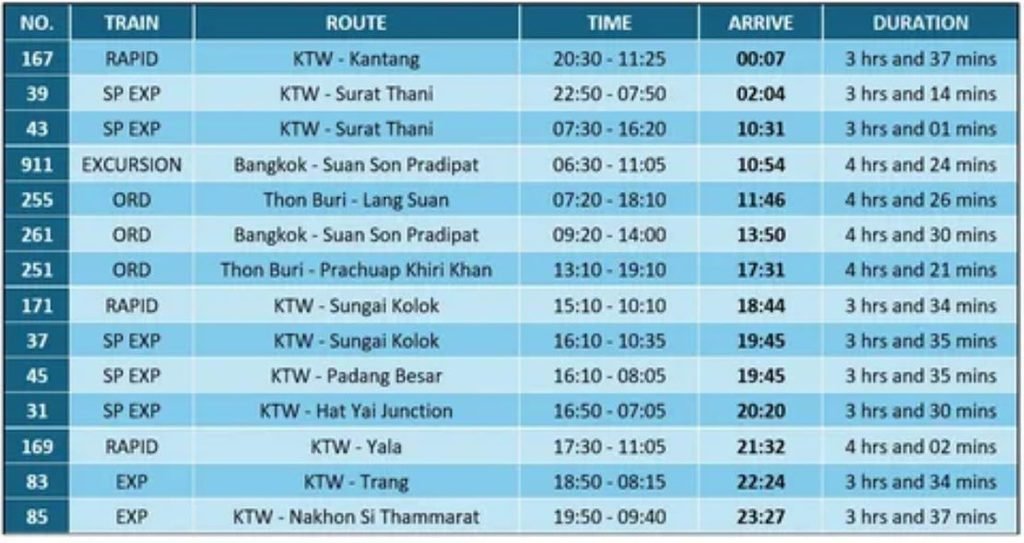
Review the available train schedule before making your selection. Look at both departure and arrival times.
Consider how the departure time fits with your plans. A train leaving very early may require you to reach the station before sunrise, while a late arrival may affect your accommodation or transportation plans.
4. Compare Available Trains
Do not automatically choose the first train that appears. Compare the available options based on travel time, departure time, ticket type, and other important details.
5. Select Your Ticket
Choose the available ticket or class that suits your needs. The options can vary depending on the railway system and type of train.
6. Enter Passenger Information
Provide the required passenger details carefully. Check spelling and other information before continuing.
7. Make the Payment
Select an available payment method and complete the transaction. Avoid refreshing or closing the page while payment is being processed.
8. Save Your Confirmation
After completing the booking, save your ticket or confirmation details. You may receive them digitally or be instructed to collect a physical ticket.
How to Choose the Right Train
Choosing a train is about more than simply finding the cheapest ticket. Your best option depends on your personal schedule and travel needs.
Start by checking the departure time. Choose a time that allows you to reach the station comfortably before departure.
Next, look at the travel duration. Two trains may travel between the same locations but take different amounts of time.
You should also check seat availability and the available class or ticket options. If you are traveling with family or friends, you may want to consider seating arrangements as well.
Finally, compare the ticket price with the overall convenience of the journey. A slightly different fare may come with a different schedule or ticket condition.
Information Needed for Train Ticket Booking
The information required for railway ticket booking depends on the system you use. However, travelers commonly need basic journey and passenger information.
This can include:
- Departure station
- Destination station
- Travel date
- Preferred train
- Passenger name
- Number of passengers
- Contact information
- Payment details
- Seat or class preference, when available
Before submitting the booking, carefully review every detail. Correct information can help prevent avoidable problems during your journey.
Online vs. Counter Train Booking
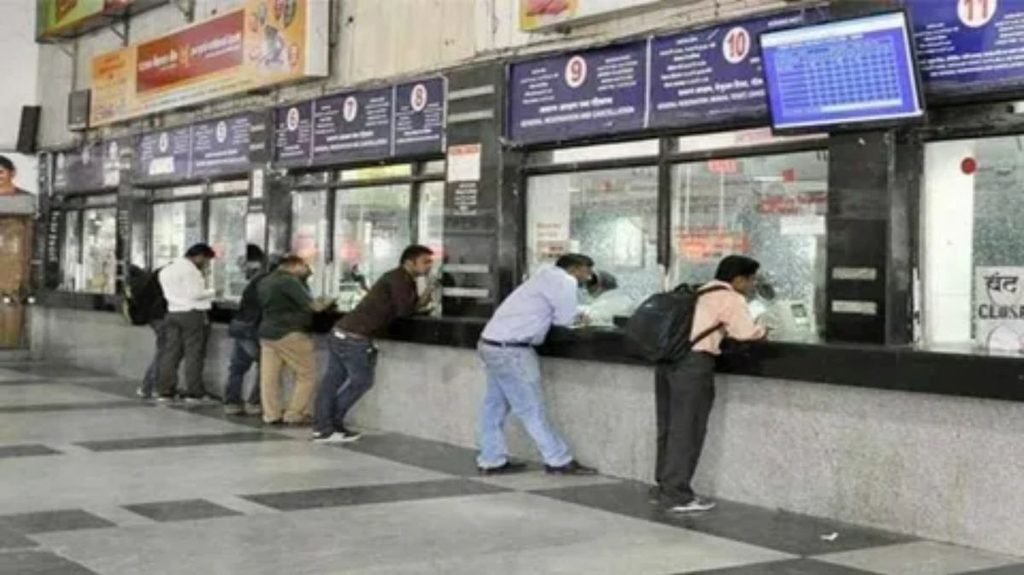
There are two common ways to book train tickets: online and at a railway station or ticket counter.
Online booking is convenient because you can search for trains and make a reservation from home. It can also make it easier to compare different trains before choosing one.
Counter booking can be useful for travelers who prefer face-to-face assistance or who cannot use an online booking system. At a station, a ticket clerk may help you understand the available options.
Both methods have advantages. The right choice depends on your location, railway system, travel preferences, and available booking facilities.
Tips for a Smooth Train Booking Experience
A few simple habits can make the booking process much easier.
Check the Station Carefully
Always confirm the departure and arrival stations. Selecting the wrong station can cause unnecessary delays or additional transportation problems.
Review the Date
Double-check your travel date before paying. A mistake can be difficult or costly to correct depending on the ticket rules.
Compare Several Options
Look at more than one train when possible. Compare timing, duration, availability, and price.
Keep Your Confirmation
Save your booking confirmation on your phone or keep a printed copy if required.
Arrive Early
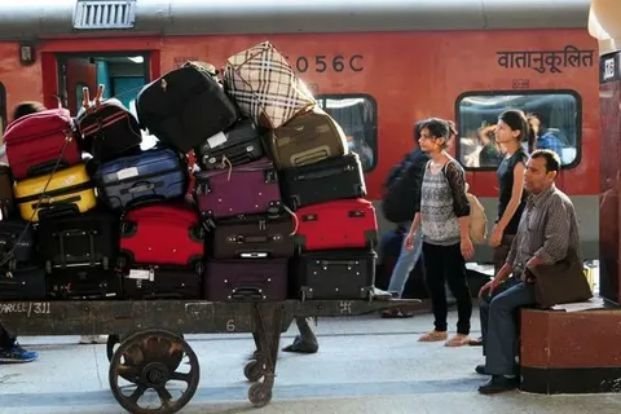
After booking your train ticket, plan how you will reach the station. Arriving early gives you time to find the correct platform and prepare for boarding.
Common Train Booking Mistakes to Avoid
Even a simple booking process can go wrong if you do not check the details.
One common mistake is entering the wrong travel date. Another is selecting an incorrect departure or destination station.
Travelers may also forget to check the ticket conditions before purchasing. Some tickets may have specific rules related to changes, cancellations, or refunds.
Another mistake is waiting until the last moment without checking availability. If your travel plans are fixed, it can be helpful to research your options earlier.
Finally, never assume that every train has the same seating, luggage, or ticket rules. Check the information provided by the relevant railway booking system.
How to Check Your Train Booking
After purchasing a ticket, you should review the booking details. Depending on the booking system, you may be able to check your reservation using a booking reference, account, email, or other confirmation information.
Check the following details:
- Passenger name
- Train information
- Travel date
- Departure station
- Destination
- Departure time
- Seat or class
- Booking status
If you notice a mistake, check the available correction or customer-support options as soon as possible.
Cancellation, Changes, and Refunds
Travel plans can change, so understanding ticket conditions is important. Cancellation and refund policies are different across railway systems and ticket types.
Before purchasing a ticket, check whether changes or cancellations are allowed. Some tickets may have deadlines, fees, or specific conditions.
If you need to cancel or change your reservation, use the official booking method or follow the instructions provided with your ticket. Do not assume that every ticket is refundable.
Keeping your booking confirmation can also make it easier to find the information you need if you have to modify your journey.
Booking a Train at the Last Minute
Sometimes you may need to book a train shortly before traveling. Last-minute train booking can still be possible when seats or tickets are available, but your choices may be more limited.
Before booking, check the departure time, station, ticket availability, and travel conditions carefully.
If the train is scheduled to leave soon, also consider how long it will take you to reach the station. A ticket is not useful if you cannot arrive before boarding.
For last-minute trips, having your identification, payment method, and booking information ready can make the process smoother.
Frequently Asked Questions
1. What does train book mean?
Train book generally refers to booking or reserving a train ticket for a journey. It involves selecting a route, date, train, and available ticket option.
2. Can I book a train ticket online?
Yes, many railway systems allow passengers to book train tickets online through official websites or mobile applications. The exact process depends on the railway system.
3. What information do I need to book a train?
You usually need your departure station, destination, travel date, passenger information, and a payment method. Some booking systems may request additional information.
4. Is it better to book a train ticket in advance?
Booking in advance can give you more time to compare trains and choose a suitable schedule. It can be particularly useful when your travel dates and plans are fixed.
5. Can I cancel a train ticket after booking?
Cancellation rules depend on the railway system and ticket type. Always check the cancellation and refund conditions before purchasing your ticket.
Conclusion
Understanding how to train book can make your travel planning simpler and more organized. Whether you use an online railway website, mobile application, or station ticket counter, the most important step is to check your journey details carefully before completing the reservation.Compare available trains, review the schedule, choose a suitable ticket, and keep your confirmation safe. It is also important to understand cancellation and change conditions before traveling.