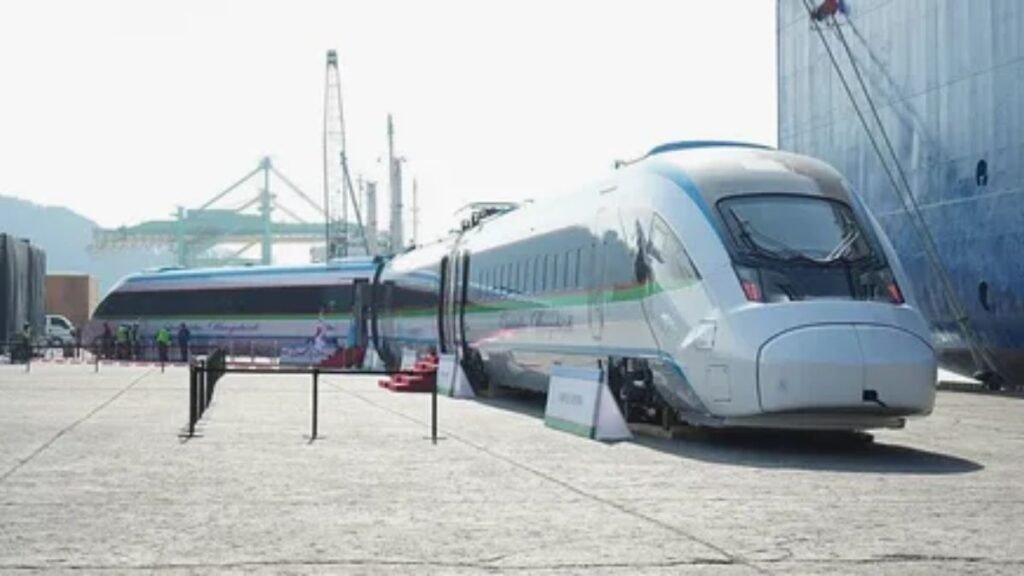
Train travel remains one of the most practical ways to move between cities, towns, and regions. Modern train services provide passengers with different options for short daily journeys, business trips, family vacations, and long-distance travel. Depending on the route, travelers may choose local trains, regional services, intercity trains, or high-speed rail.
Unlike some forms of transportation where the journey can be stressful because of traffic or limited space, rail travel often gives passengers an opportunity to sit back and enjoy the journey. Many modern trains also provide comfortable seats, luggage areas, onboard information systems, charging facilities, and other useful amenities.
Understanding how train services work can make planning a rail journey much easier. From checking train schedules to selecting tickets and arriving at the right station, a little preparation can help passengers enjoy a smoother travel experience.
What Are Train Services?
Train services are scheduled railway operations that transport passengers between different locations. A service normally follows a specific route and operates according to a timetable. Some trains stop at many stations, while others stop only at major locations.
Passenger trains can serve different purposes. Local services may help people travel within a city or nearby areas, while long-distance trains connect cities that are several hours apart. Intercity services are designed to connect important urban areas, and high-speed trains can reduce travel time on suitable routes.
Railway services can vary from one country or railway network to another. The type of train, ticket system, facilities, schedule, and travel time depend on the operator and route.
Types of Train Services
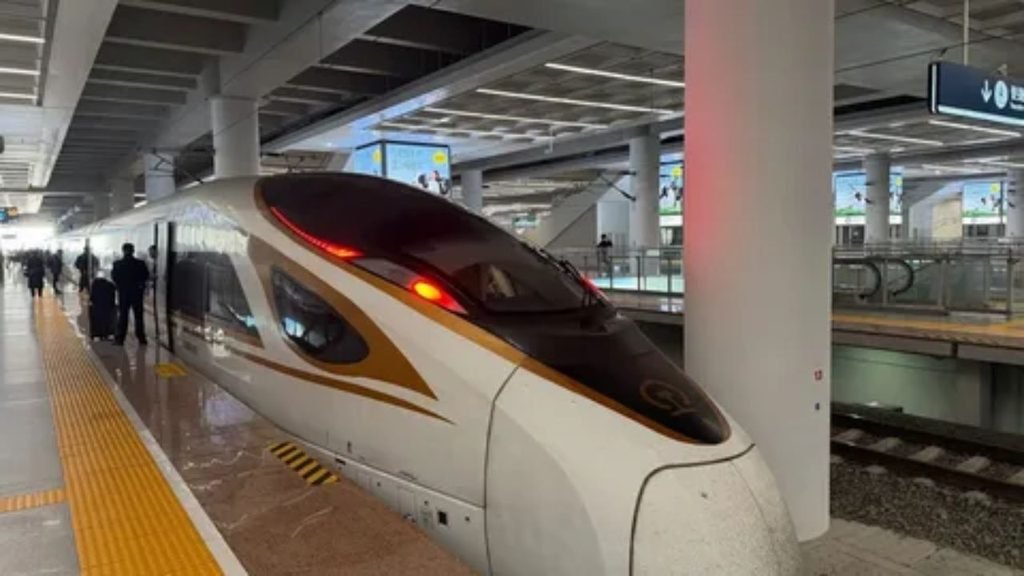
There are several common types of train services available to passengers. Knowing the difference can help travelers choose a service that matches their journey.
Local Train Services
Local trains generally operate over shorter distances and make frequent stops. They are commonly used for everyday travel between neighborhoods, towns, and nearby cities.
Because they stop at many stations, local trains can be useful for passengers who need to reach smaller destinations rather than major city centers.
Regional Train Services
Regional trains connect towns and cities within a particular area. They usually travel farther than local trains and may have fewer stops.
These services are useful for passengers traveling between nearby cities without needing a long-distance train.
Intercity Train Services
Intercity trains connect major cities and important destinations. They are often designed for passengers making longer journeys and may provide more comfortable seating and additional facilities.
An intercity journey can be a convenient option for people traveling between major urban areas.
Long-Distance Train Services
Long-distance trains are designed for journeys that may take several hours or longer. Depending on the railway network, these trains may offer spacious seating, food services, sleeping arrangements, luggage storage, and other facilities.
Passengers should check the available amenities before booking because facilities can differ between routes.
High-Speed Train Services
High-speed trains operate on routes designed to support faster travel. They can connect major cities in significantly less time than conventional trains on suitable railway lines.
These services are particularly useful for travelers who want to reduce journey time while still using rail transportation.
How Train Services Work
Using a train service usually involves several simple steps. The process can vary between railway operators, but the general experience is similar.
First, passengers need to identify their departure and destination stations. They can then check available train schedules and compare departure times.
After selecting a suitable service, travelers can purchase a ticket. Depending on the railway system, tickets may be available through websites, mobile apps, ticket offices, or automated machines.
Passengers should arrive at the station with enough time to find their platform and prepare for boarding. Once the train arrives, they can board the correct carriage and locate their assigned or available seat.
During the journey, announcements and electronic displays may provide information about upcoming stations and arrival times. When the train reaches the destination, passengers leave the train and collect their luggage before continuing their journey.
Understanding Train Schedules
Train schedules are an important part of planning rail travel. A schedule normally shows departure times, arrival times, stops, route information, and sometimes the train number.
Before traveling, check the schedule carefully because different services may use the same route but have different stopping patterns.
It is also useful to check whether the schedule changes on weekends, holidays, or during periods of railway maintenance. Real-time updates can sometimes provide information about delays or platform changes.
If you are unfamiliar with a station, arriving early gives you more time to locate the correct platform and understand the station layout.
Booking Train Tickets

Train tickets can usually be purchased in several ways. Many railway operators provide online booking systems that allow passengers to search for routes, compare departure times, select seats where available, and make payments.
Some travelers still prefer buying tickets at railway stations. Ticket counters and machines can be useful for people who need assistance or are making a last-minute journey.
When booking a ticket, check the departure station, destination, travel date, departure time, passenger details, and ticket conditions. If the journey includes a connection, make sure there is enough time between trains.
For busy routes, booking earlier may provide more choices of departure times and seating options.
Seating and Passenger Comfort
Comfort can make a significant difference during a train journey. Seating arrangements vary depending on the type of train and route.
Some trains provide standard seating, while others may offer different classes or upgraded seating areas. Long-distance services may provide larger seats, tables, reclining options, or additional personal space.
Passengers should check the seating information when booking. If traveling with family or friends, selecting seats together can make the journey more comfortable.
Keeping personal items organized is also important. Smaller belongings can usually be kept near the passenger, while larger luggage may need to be placed in designated storage areas.
Luggage on Train Services
Luggage rules depend on the railway operator. Some services have specific limits for the number, size, or weight of bags passengers can bring.
Before traveling, check the operator’s luggage policy, especially if you are carrying large suitcases, sports equipment, or other bulky items.
Labeling luggage with basic contact information can also help identify a bag if it becomes separated from its owner. Passengers should keep valuable personal items secure and avoid leaving important belongings unattended.
Facilities on Modern Trains
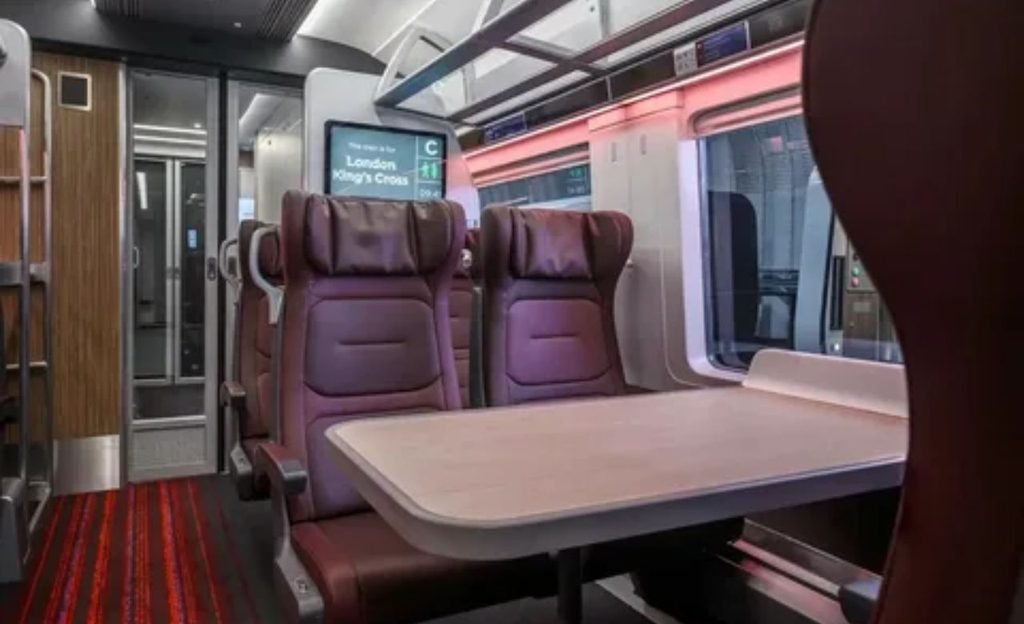
Modern passenger trains can offer a range of onboard facilities. Depending on the route and train type, these may include restrooms, luggage storage, air conditioning, charging points, Wi-Fi, food and drink services, and information displays.
Not every train provides all of these facilities. A local train may have fewer amenities than a long-distance or high-speed service.
If a particular facility is important for your journey, check the train information before booking instead of assuming it will be available.
The Role of Train Stations
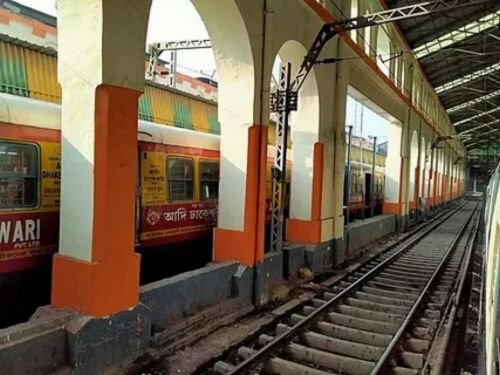
Train stations are an essential part of railway networks. They provide places where passengers can buy tickets, wait for trains, board services, and leave trains at their destinations.
Large stations may contain multiple platforms, waiting areas, shops, restaurants, information desks, elevators, and connections to buses or other forms of transportation.
Smaller stations may have fewer facilities but still play an important role in connecting communities to larger railway networks.
Passengers should check the station name carefully because large cities can sometimes have more than one railway station.
How Technology Is Changing Rail Travel
Technology has made many parts of rail travel easier. Online booking systems allow passengers to purchase tickets without visiting a ticket counter. Mobile apps can provide schedules, platform information, digital tickets, and travel updates.
Electronic displays and onboard announcements can help passengers understand where the train is going and when it will reach the next station.
Some modern railway systems also use digital payment methods and automated ticket gates. These technologies can make station entry and boarding more convenient.
Real-time travel information can be particularly helpful when services are delayed or platforms change.
Benefits of Train Travel
Train travel offers several practical benefits. One major advantage is the ability to travel between many destinations without having to drive.
Passengers can spend the journey reading, studying, talking with companions, or simply relaxing. Rail routes can also provide views of cities, countryside, mountains, rivers, and other landscapes.
Train services can be useful for both short and long journeys. Local services support everyday transportation, while long-distance and intercity trains connect major destinations.
Another benefit is that railway stations are often located close to city centers, making it easier for passengers to continue their journey after leaving the train.
How to Choose the Right Train Service
Choosing a train service depends on several factors. Start by considering the departure and arrival times. A slightly different service may be more convenient if it avoids a long waiting period.
Next, compare journey duration and the number of stops. A direct service may be preferable when available, while a connecting service may provide access to destinations without a direct train.
Passengers should also consider ticket prices, seating, luggage rules, onboard facilities, and cancellation or change policies.
For longer journeys, comfort and available facilities may be more important than they are for a short trip.
Tips for First-Time Train Travelers
If you are using train services for the first time, a few simple preparations can make the experience easier.
- Check your ticket and travel details before leaving home.
- Arrive at the station early.
- Confirm the train number and destination before boarding.
- Check the platform information on station displays.
- Keep your ticket and important belongings easily accessible.
- Follow the railway operator’s luggage rules.
- Listen for announcements during the journey.
- Keep personal items secure.
- If you have a connection, confirm the next train and platform.
- Check for schedule updates before starting your journey.
These basic steps can help reduce confusion, especially when traveling through a large or unfamiliar station.
Frequently Asked Questions About Train Services
What are train services?
Train services are scheduled railway operations that transport passengers between different stations and destinations. They include local, regional, intercity, long-distance, and high-speed services.
How can I check a train schedule?
You can usually check train schedules through the railway operator’s official website, mobile application, station information boards, or ticket office.
Can I book train tickets online?
Many railway operators provide online booking. Depending on the system, passengers may be able to choose travel times, seats, and ticket types online.
What should I bring on a train journey?
Bring your ticket or digital booking confirmation, identification if required, personal belongings, and luggage that follows the operator’s rules. For longer journeys, you may also want water, snacks, and entertainment.
Are train services suitable for long-distance travel?
Yes. Long-distance trains are specifically designed to connect destinations that are far apart. Some may offer additional facilities for longer journeys.
Conclusion
Train services provide an important way for people to travel between cities, towns, and regions. From local trains used for everyday transportation to high-speed and long-distance services designed for extended journeys, there are many options available to passengers.Planning a successful rail journey starts with checking the route and schedule, selecting the right ticket, understanding luggage rules, and arriving at the station with enough time to board. Modern technology has also made booking and receiving travel information easier.