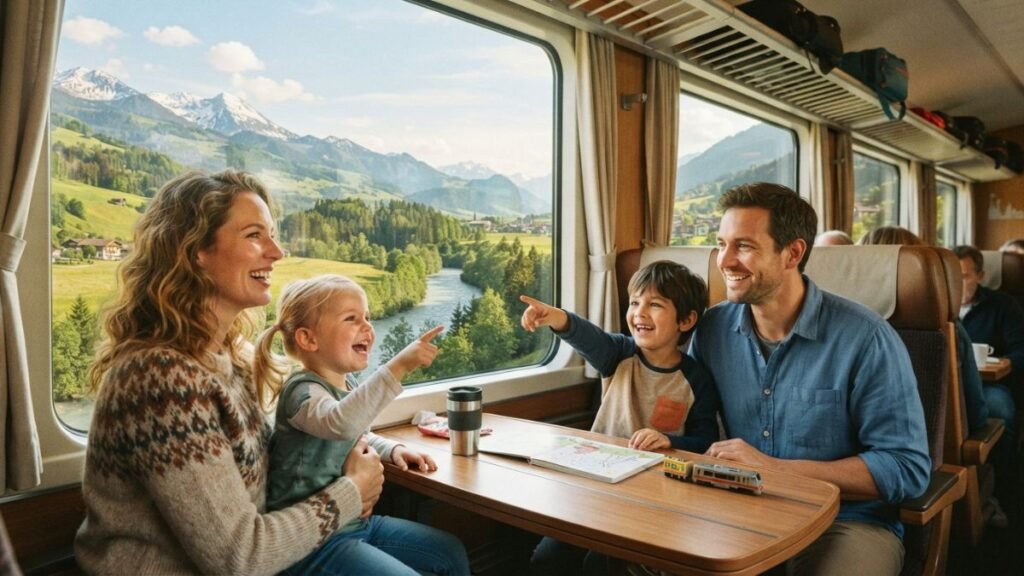
Traveling by train with kids can be an exciting experience for children and a relaxing way for families to explore new places together. From watching beautiful landscapes through the window to listening to the sound of the train moving along the tracks, every part of the journey can create special memories. For children, even a simple trip to a nearby town can feel like a wonderful adventure.
However, traveling by train with kids with young children also requires preparation. Parents need to think about meals, entertainment, comfortable seating, safety, and the possibility of unexpected delays. A little planning can make the experience easier for everyone and help children enjoy the journey from beginning to end.
This guide to Train Travel for Kids covers everything parents need to know before boarding a train with their children. You will discover practical preparation tips, useful packing suggestions, fun activities, important safety guidelines, and educational opportunities that make train journeys more enjoyable for the whole family.
Why Train Travel Is Exciting for Kids
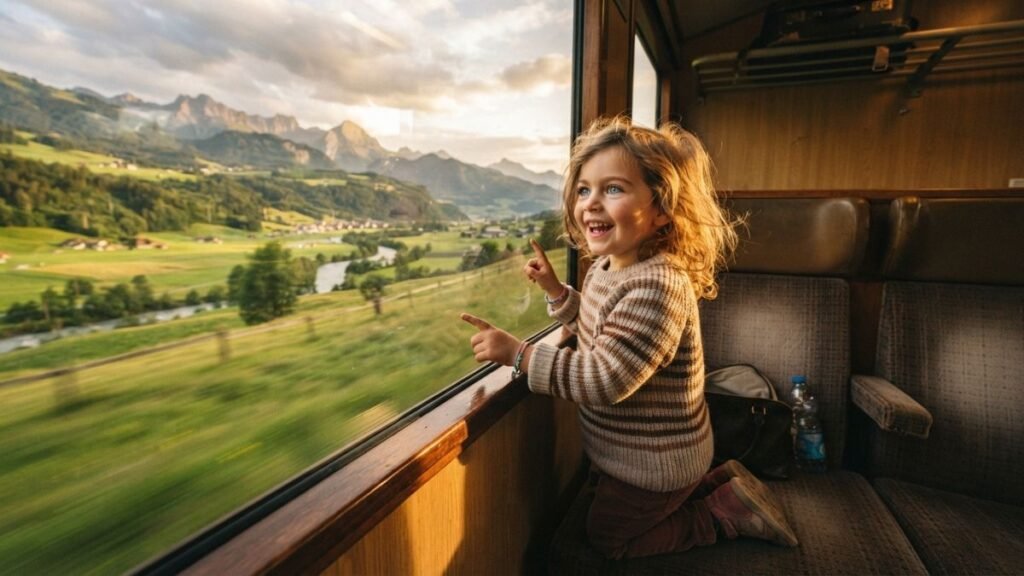
For many children, a train journey is more than simply getting from one destination to another. It is an opportunity to explore the world from a different perspective. Unlike traveling by car, a train often allows children to move their attention between the scenery, other passengers, stations, and interesting features along the route.
One of the most exciting parts of train travel is watching the landscape change. Children might see green fields, rivers, mountains, bridges, small villages, and busy cities. These sights can encourage questions and conversations about the world around them.
Train stations can also make the experience memorable. Children may enjoy observing different trains, reading station signs with their parents, and learning how passengers board and leave the train.
Another benefit is family bonding. Parents can spend time reading stories, playing games, sharing snacks, and talking without the usual distractions of daily life. Children can also develop patience and curiosity as they observe the journey.
With the right preparation, train travel becomes an enjoyable family experience rather than just another trip.
How to Prepare for a Train Journey with Children
Good preparation helps parents manage the journey more confidently. Before leaving home, check your tickets, departure time, boarding station, destination, and any travel requirements set by the railway operator.
If possible, choose seats that allow your family to sit together. For longer trips, consider the availability of toilets, food services, sleeping arrangements, and space for luggage. These facilities differ between trains and operators, so confirm the details before booking.
Arrive at the station early enough to find the correct platform without rushing. Explain the boarding process to your children, including where they should wait and why they must stay close to an adult.
Preparation should also match your child’s age.
- Toddlers: Bring familiar snacks, a comfort toy, extra clothes, and items that help maintain their usual routine.
- Preschoolers: Explain what they will see and do during the trip. Simple expectations can help them feel prepared.
- School-aged children: Let them help pack a small backpack, read the itinerary, or identify places on a map.
It is also helpful to discuss the journey in advance. Tell children approximately how long the trip will take and what they can do if they become bored. When children know what to expect, they may feel more comfortable and involved.
Essential Things to Pack for Kids on a Train Trip

Packing the right items can prevent many common travel problems. However, bringing too much luggage may make it difficult to move through crowded stations or find things quickly. Focus on essentials that keep children comfortable, entertained, and prepared for minor inconveniences.
Use this checklist before leaving home:
- Food and drinks: Pack water and suitable snacks, such as fruit, crackers, or sandwiches, while considering allergies and storage requirements.
- Extra clothing: Carry an additional outfit for younger children, along with a light jacket if temperatures may change.
- Hygiene supplies: Bring tissues, wet wipes, hand sanitizer, and any necessary personal care items.
- Entertainment: Include picture books, coloring pencils, small toys, activity books, or puzzles.
- Electronic devices: A tablet or phone can be useful for longer journeys. Download suitable content beforehand and pack headphones.
- Health essentials: Bring necessary medicines and any relevant care instructions.
- Comfort items: A small pillow, blanket, or favorite toy may help a child relax.
- Travel documents: Keep tickets, identification where required, and important contact details accessible.
A separate small bag for children’s essentials is especially useful. It allows parents to find snacks, wipes, or toys without opening the main suitcase.
Before packing food, drinks, or larger items, check the railway operator’s rules. Thoughtful packing helps keep the trip organized while leaving enough room for everyone to travel comfortably.
Fun Train Journey Activities for Kids
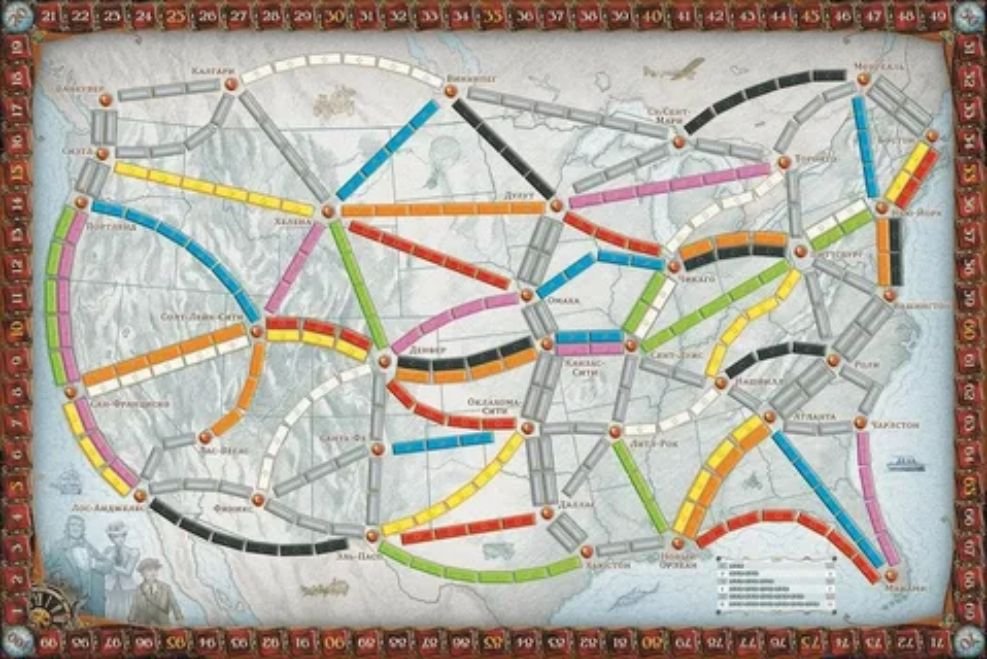
Keeping children entertained is one of the most important parts of planning a successful train trip. Fortunately, parents do not need expensive toys or constant screen time to make the journey interesting. Simple activities can turn ordinary moments into opportunities for creativity and discovery.
Play a Window Observation Game
Ask children to look outside and identify things they recognize. They can search for bridges, trees, rivers, animals, buildings, or different types of vehicles. Younger children can name objects, while older children can keep a list of everything they spot.
Create a Travel Journal
Give children a small notebook where they can draw pictures, write down interesting observations, or record the places they visit. Younger children can draw the train or their favorite view, while older children can write a short description of the journey.
Draw the Scenery
Bring paper and coloring pencils so children can draw what they see. They might sketch a train station, a mountain, a village, or an imaginary train. This activity encourages creativity and helps them pay attention to their surroundings.
Play Counting and Guessing Games
Children can count tunnels, bridges, or railway stations along the route. Another option is a guessing game in which one person describes an object outside the window and everyone else tries to identify it.
Read Stories and Solve Puzzles
Books, word games, simple puzzles, and age-appropriate activity sheets can help children stay occupied. Parents can also invent a story about a family visiting a new destination by train.
Choose activities according to your child’s age, interests, and energy level. Alternating quiet activities with conversations and observation games helps prevent boredom without overwhelming children with too many planned tasks.
Train Travel Safety Tips for Children

Safety should remain a priority throughout every train journey. Parents can help children feel confident by explaining simple rules before reaching the station and reminding them when necessary.
First, keep young children close in crowded areas. Hold their hands when walking through busy stations, and establish a clear meeting procedure in case family members become separated. Teach children to seek assistance from identifiable railway staff or an appropriate station employee rather than wandering around alone.
Always stay behind the marked platform safety line and follow station announcements and staff instructions. Wait until boarding is permitted, allow passengers to exit where appropriate, and help children board carefully.
Once inside the train, keep children away from doors and other restricted areas. Never allow them to play in aisles where they could obstruct passengers or lose their balance. Supervise them when moving around the carriage, especially when the train is in motion.
Parents should also keep tickets, identification, and essential belongings secure. Teach children their parent’s name and, when appropriate for their age, an emergency contact number. Younger children can carry a contact card in a safe, accessible place.
Finally, follow the railway operator’s rules about child supervision, luggage, and designated seating. Calm explanations and consistent supervision help children understand that safety is part of every enjoyable adventure.
How to Keep Kids Comfortable During Long Train Journeys
Long journeys can become tiring, especially for toddlers and younger children. Comfortable clothing, familiar routines, and regular breaks from sitting can make a noticeable difference.
Dress children in soft, breathable layers so they can adjust to changes in temperature. Keep water and suitable snacks within easy reach, and offer them regularly rather than waiting until children become thirsty or hungry.
Plan toilet visits before boarding and whenever needed during the journey. If movement is permitted, take short walks through appropriate areas of the carriage with children under supervision. Follow staff instructions and avoid moving around when it is unsafe.
Rest is equally important. Younger children may benefit from a familiar blanket, a favorite toy, or a regular nap schedule. For older children, quiet reading or listening to a story can provide a break from active games.
Parents should also remain flexible. If a child becomes restless, try changing activities, offering a snack, or encouraging them to observe something outside the window. If they become tired or upset, a calm response is usually more helpful than insisting they remain entertained.
A flexible routine makes it easier for families to handle delays and unexpected changes without unnecessary stress.
Educational Benefits of Train Travel for Kids
Train journeys can offer children valuable learning experiences outside the classroom. As they observe the landscape, they can begin to understand geography, nature, transportation, and the differences between urban and rural environments.
Parents can use maps to show the route and explain how the train moves from one place to another. Older children can estimate travel times, compare distances, or follow station names on an itinerary.
The scenery also creates opportunities to discuss weather, plants, animals, buildings, and local communities. For example, seeing farmland can lead to a conversation about where food comes from, while crossing a river may encourage questions about bridges and engineering.
Parents can make learning enjoyable by asking simple questions:
- What is different about the landscape now?
- How many bridges have we seen?
- What do you think people do in that town?
- Which station comes next on our route?
- What new thing have you learned today?
There is no need to turn every moment into a lesson. Allow children to explore their interests naturally. When learning is connected to real experiences, children may remember the details more easily and develop a stronger curiosity about the world.
Common Mistakes Parents Should Avoid
Even a carefully planned journey can become difficult when a few important details are overlooked. Avoid these common mistakes to make family train travel easier.
Overpacking: Too many bags make crowded stations harder to navigate. Pack only the essentials and keep children’s everyday items in one accessible bag.
Arriving late: Rushing can make children anxious and increase the risk of boarding confusion. Allow enough time to find the platform and organize your belongings.
Forgetting snacks and water: Hunger and thirst can affect a child’s mood. Bring suitable refreshments and check whether food is available onboard.
Planning too many activities: Children need time to relax as well as play. Offer a few options and let them choose what interests them.
Ignoring ticket details: Confirm departure times, seat assignments, child fare requirements, and luggage policies before traveling.
Allowing children to wander: Stations can be busy and confusing. Keep children supervised and establish clear safety rules before arriving.
Small preparations can prevent many avoidable problems and help the whole family enjoy the journey.
Conclusion:
Travelling by train with kids offers families a wonderful opportunity to explore new places, spend quality time together, and introduce children to exciting experiences. With thoughtful planning, suitable packing, engaging activities, and consistent safety practices, parents can make even a long journey more comfortable and enjoyable. Remember that every child is different. Some enjoy drawing and reading, while others prefer watching the scenery or asking questions about the train. Allowing children to enjoy the journey in their own way can make the experience more meaningful.
Frequently Asked Questions
1. What should I pack for train travel with kids?
Pack water, child-friendly snacks, extra clothing, wipes, necessary medicines, travel documents, and a few entertainment items such as books, coloring materials, or small toys. Choose items according to your child’s age and the length of the journey.
2. How can I keep my child entertained on a train?
Try window observation games, drawing, storytelling, travel journals, counting games, books, and puzzles. Downloading age-appropriate videos or games can also help during longer journeys when other activities lose their appeal.
3. Is train travel suitable for toddlers?
Train travel can be suitable for toddlers when parents plan around their needs. Bring familiar comfort items, snacks, spare clothing, and necessary supplies. Check the operator’s facilities and child travel policies before departure, and supervise toddlers closely throughout the trip.
4. How can I keep children safe at train stations?
Keep children close, hold their hands in crowded areas, stay behind platform safety lines, and follow railway staff instructions. Teach them not to wander alone and explain whom they should approach for help if they become separated.
5. How do I make a long train journey easier for children?
Choose comfortable clothing, bring familiar activities, offer regular snacks and water, and allow time for rest. Alternate between active and quiet activities, take supervised movement breaks when permitted, and remain flexible if your child becomes tired or restless.
Pingback: First Class Train Travel: Ultimate Guide to Comfort, Luxury & Tips
Pingback: Train Travel in Japan: A Complete Guide for Travelers